

Inside Our Headwear Factory
This page explains how our factory actually runs, so customers can see how samples, special craft support, bulk production, packaging, and QC are connected in one system.
For serious OEM customers, a factory page matters only when it explains how the operation actually runs. How does sample work connect to bulk production? Which departments take over special craft work? Where does quality control step in? How do packaging and shipment coordination stay connected? If those questions stay vague, the later cooperation usually stays unstable as well.
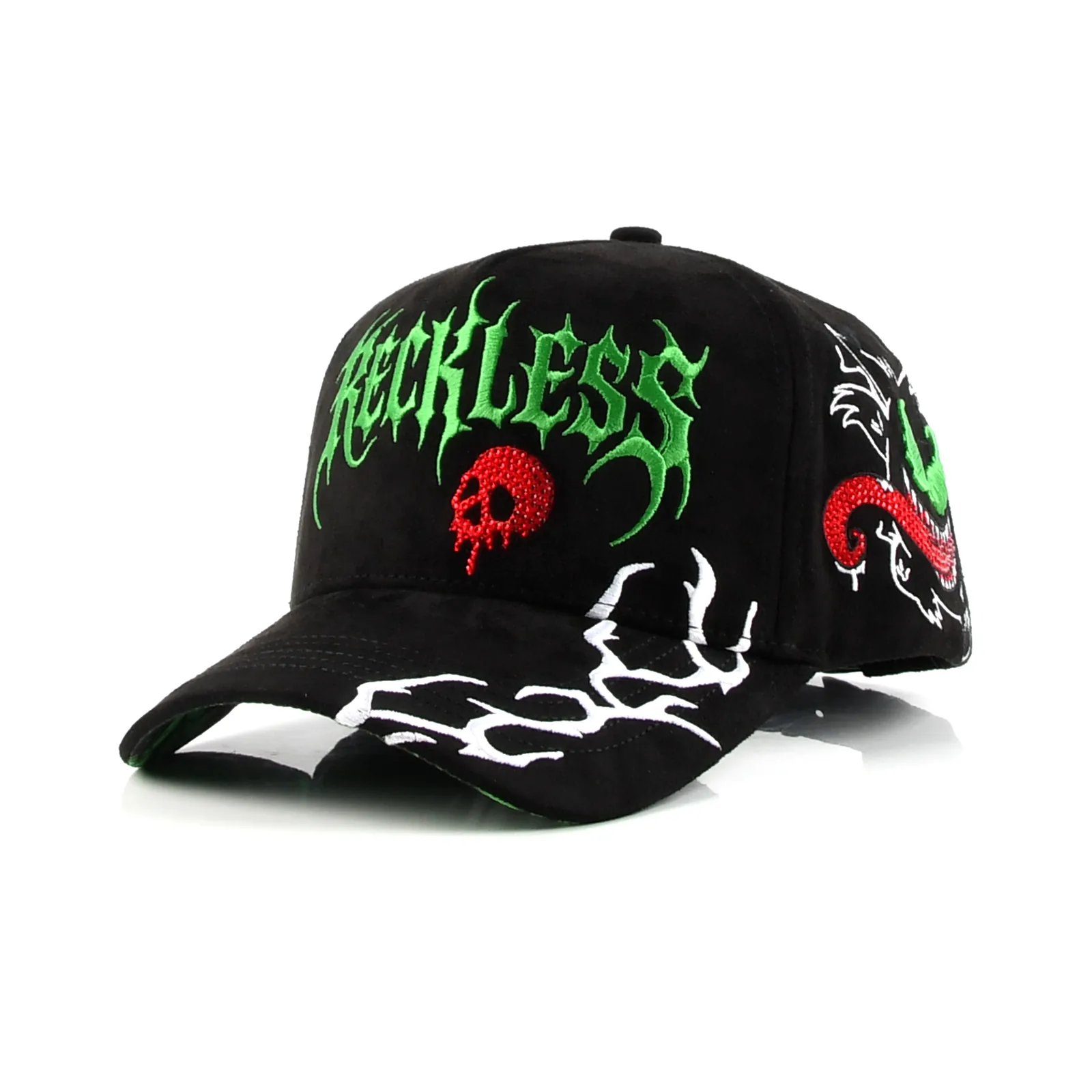
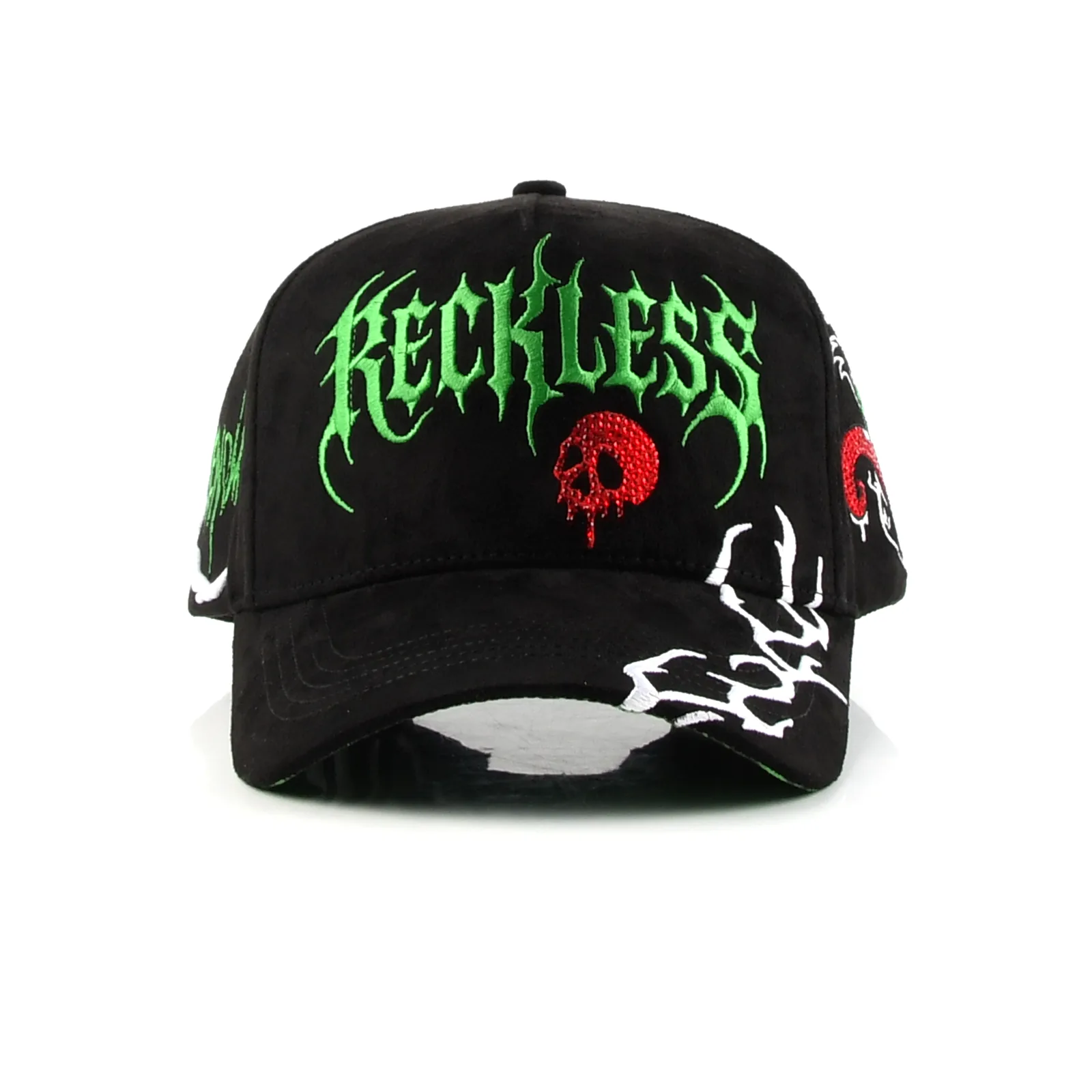
Our factory is organized around that practical coordination. The domestic team is currently around 240 people, with three cap production lines and independent embroidery, rhinestone, and high-frequency departments. Together with the sample room, development support, packaging coordination, and QC structure, the goal is not to look complete on paper. The goal is to make sure different kinds of headwear programs can move through the right execution path.
What customers usually want to judge from a factory page
- Whether standard programs and more craft-heavy programs can be arranged inside the same factory system without immediately colliding with each other.
- Whether samples, special craft work, bulk production, packaging, and QC operate as one connected execution chain rather than separate islands.
- Whether problems can be recognized and handled faster once a project moves into sample revision, production planning, and delivery.
How we define factory capability
Factory capability is not just equipment and headcount. It is the ability to carry a project from one stage into the next without losing control. The sample room needs to understand bulk constraints. Craft departments need to understand the intended effect and the likely risks. Production needs to understand timing pressure and packaging requirements. QC needs to step in early rather than only at the end. When those parts connect well, customers can judge the factory with much less guesswork.
The factory culture that matters most to us
The most valuable factory culture is not a slogan on the wall. It is whether departments stay aligned, whether problems are surfaced in time, and whether execution stays consistent from one stage to the next. Many projects look delayed by craft or timing on the surface, but the deeper reason is often a communication gap. We keep working to reduce those gaps so customers can make earlier decisions with more confidence and run later execution with more stability.
Related pages
Want to continue the discussion?
Send us your product direction, target quantity, timing, or reference files and we can review the next step together. Contact 4UGEAR.