


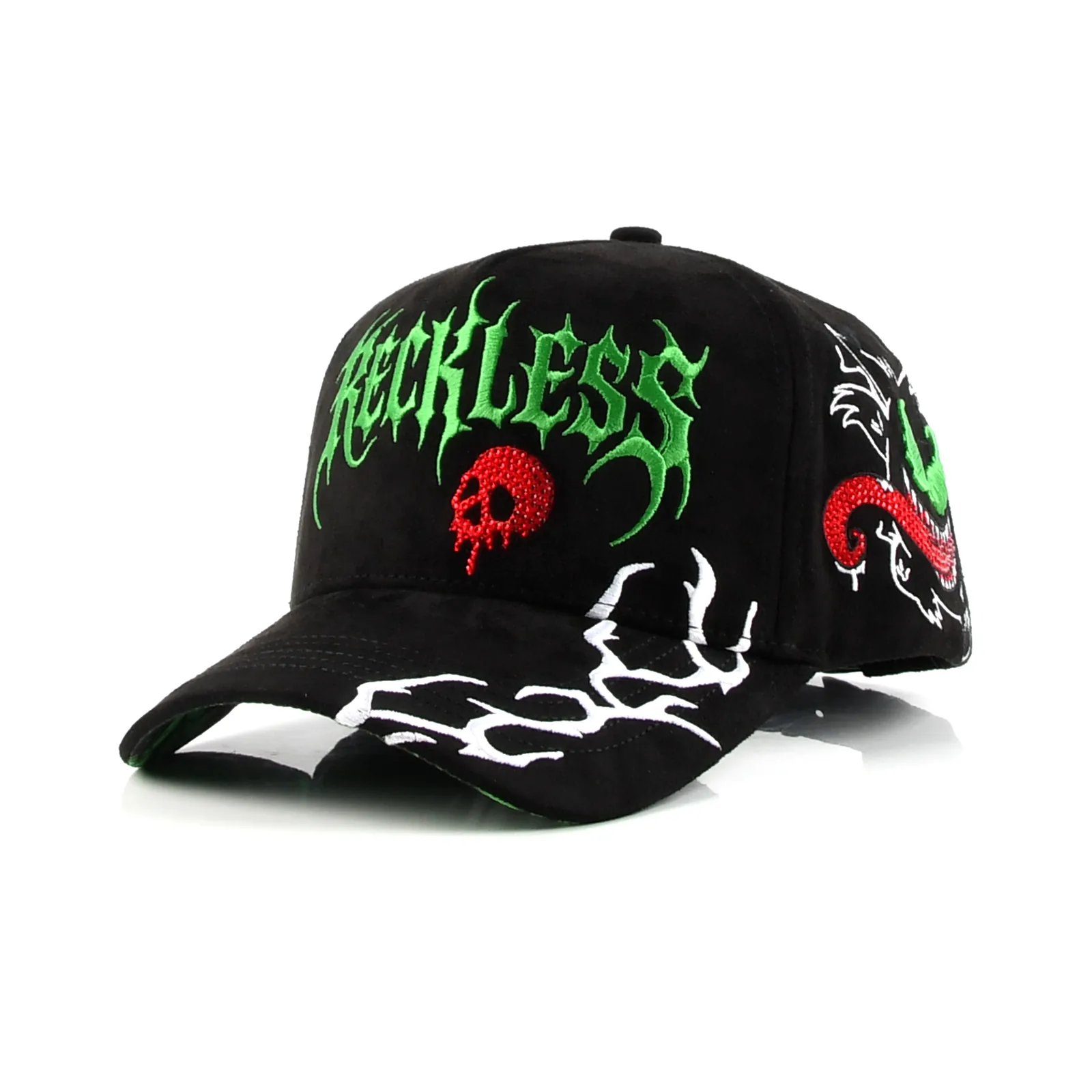
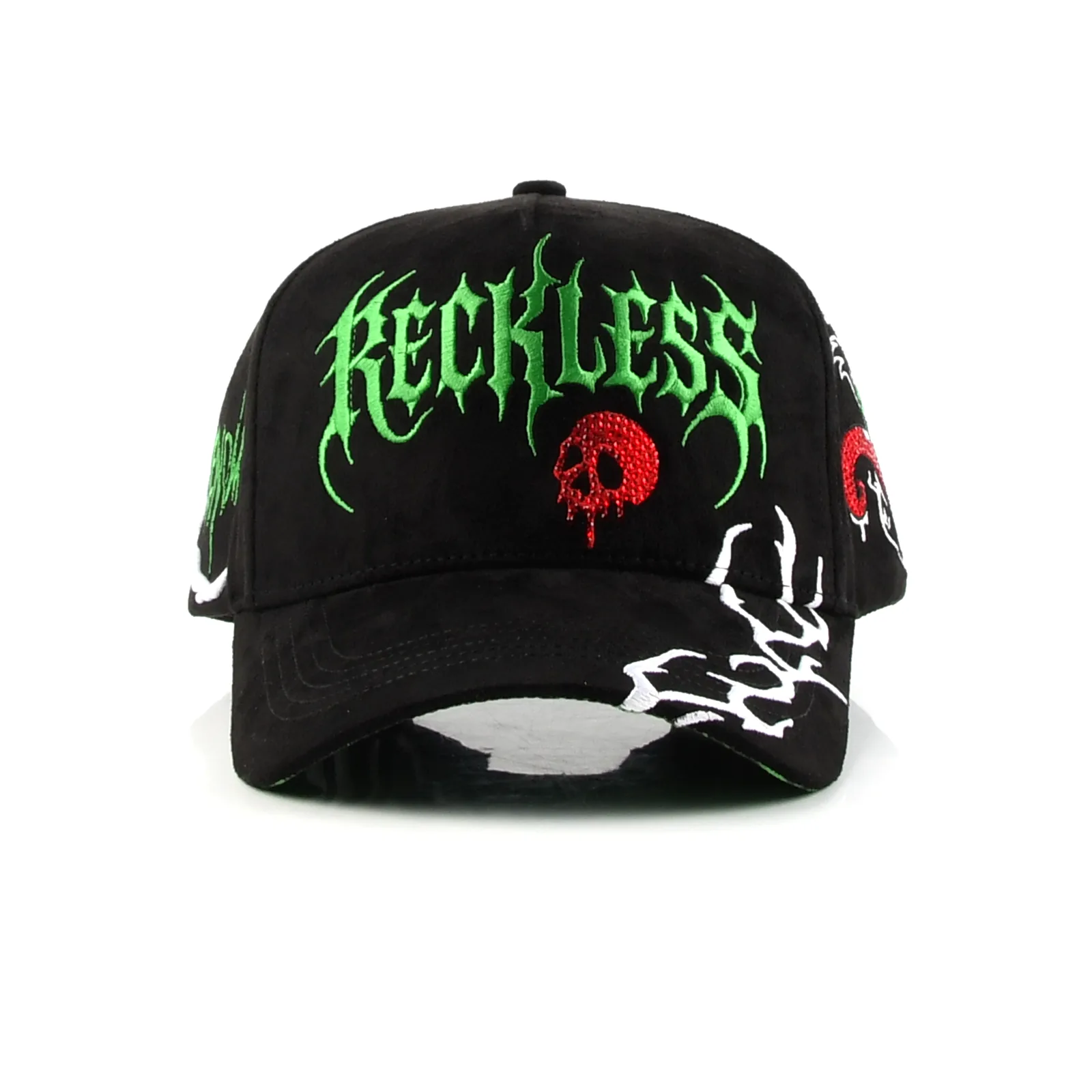
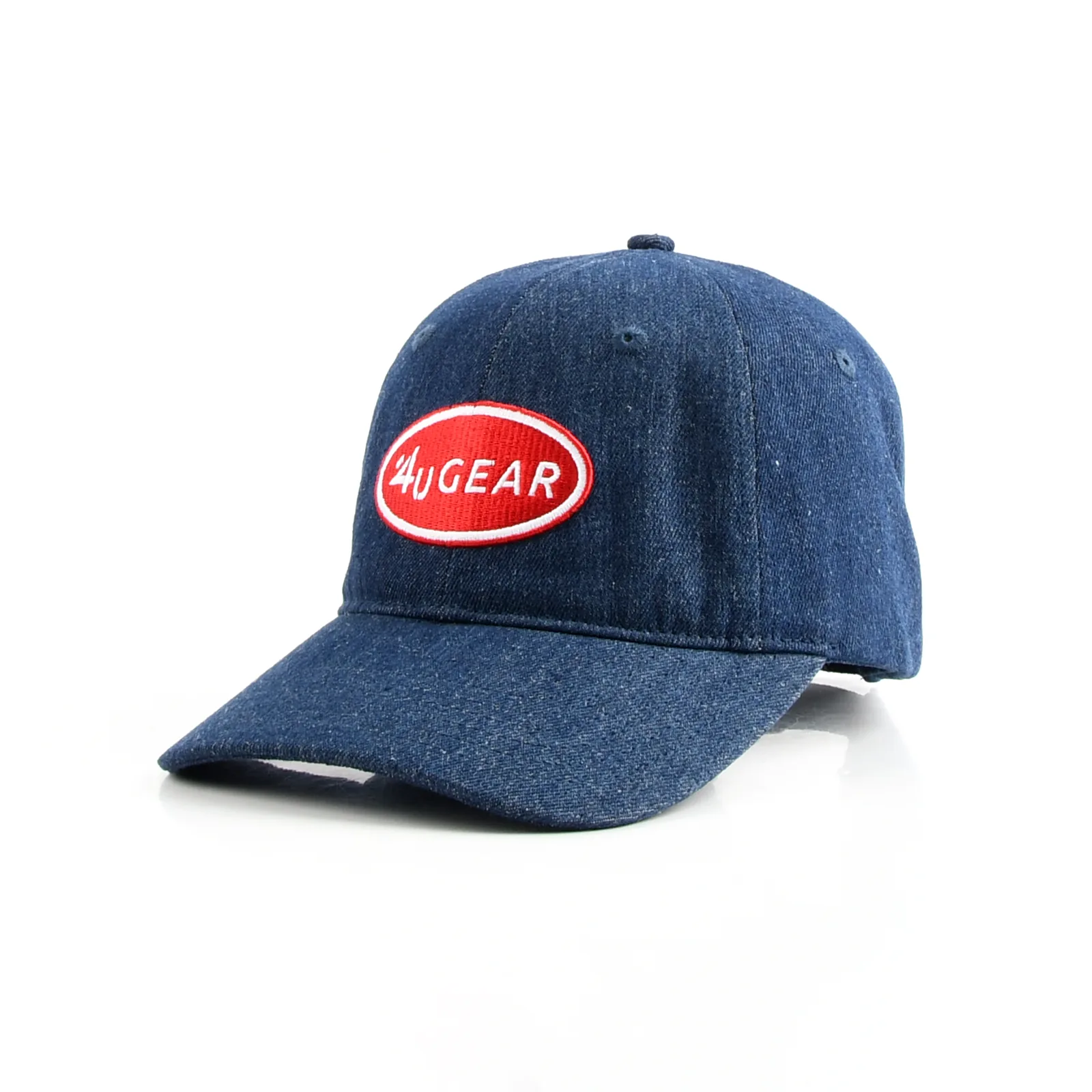
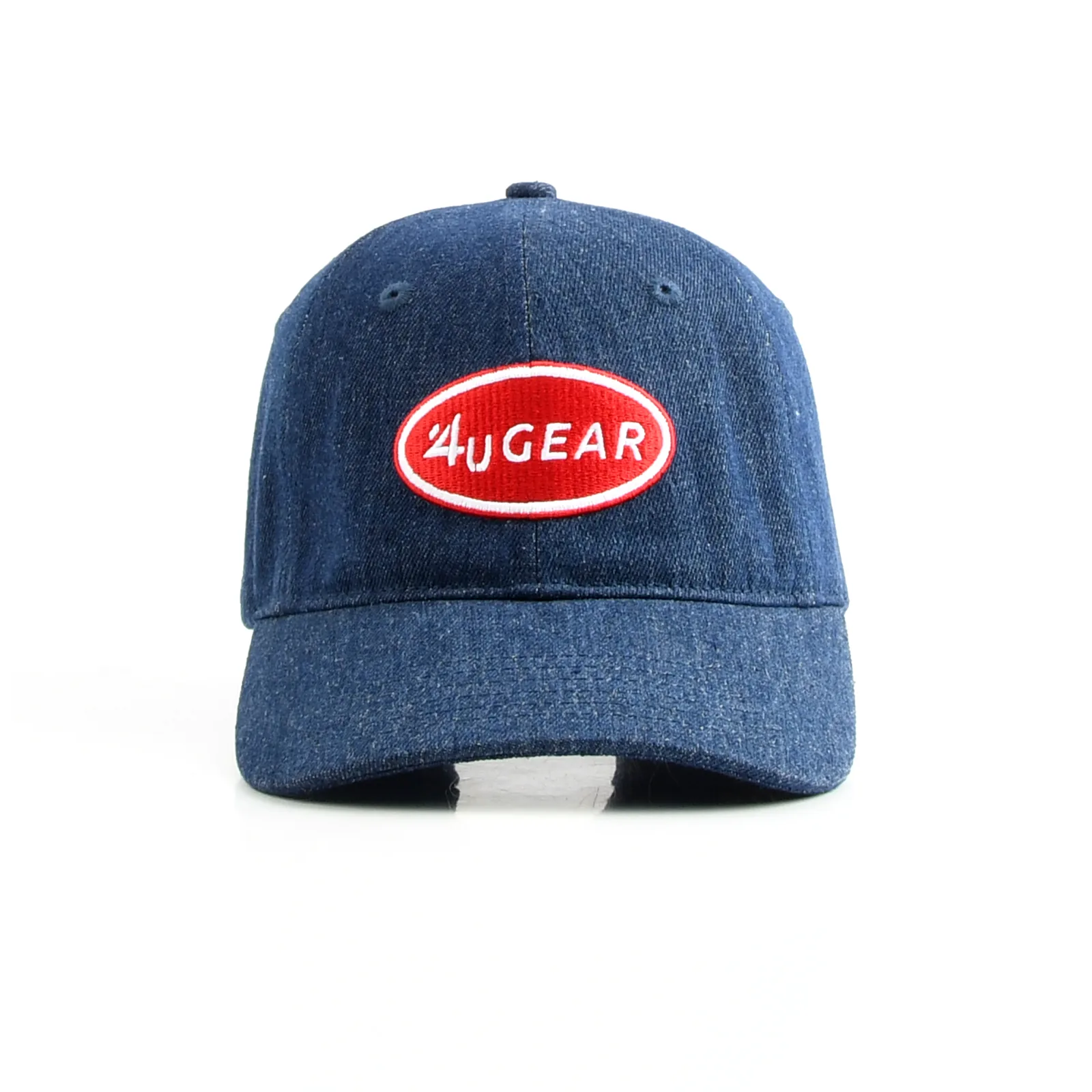
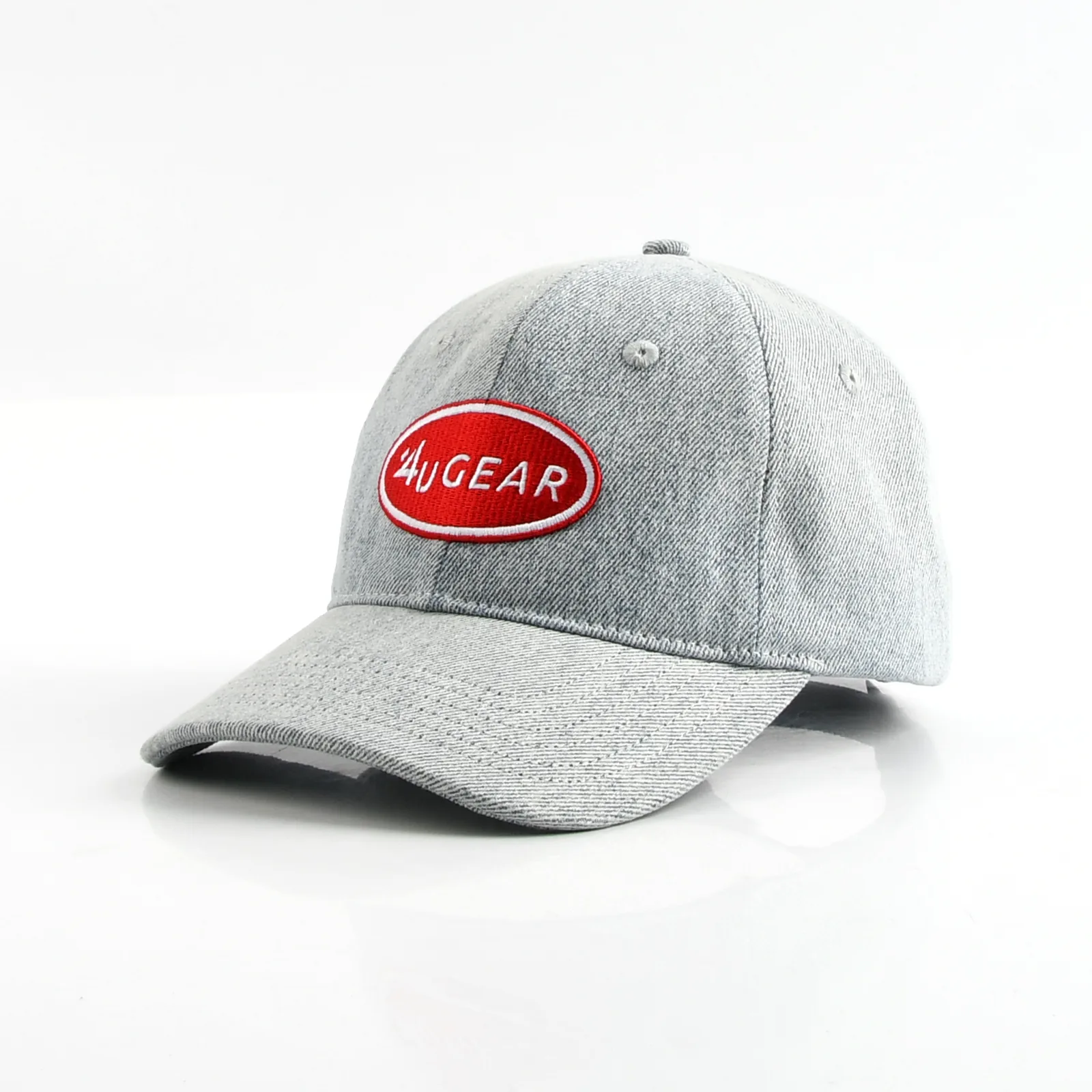
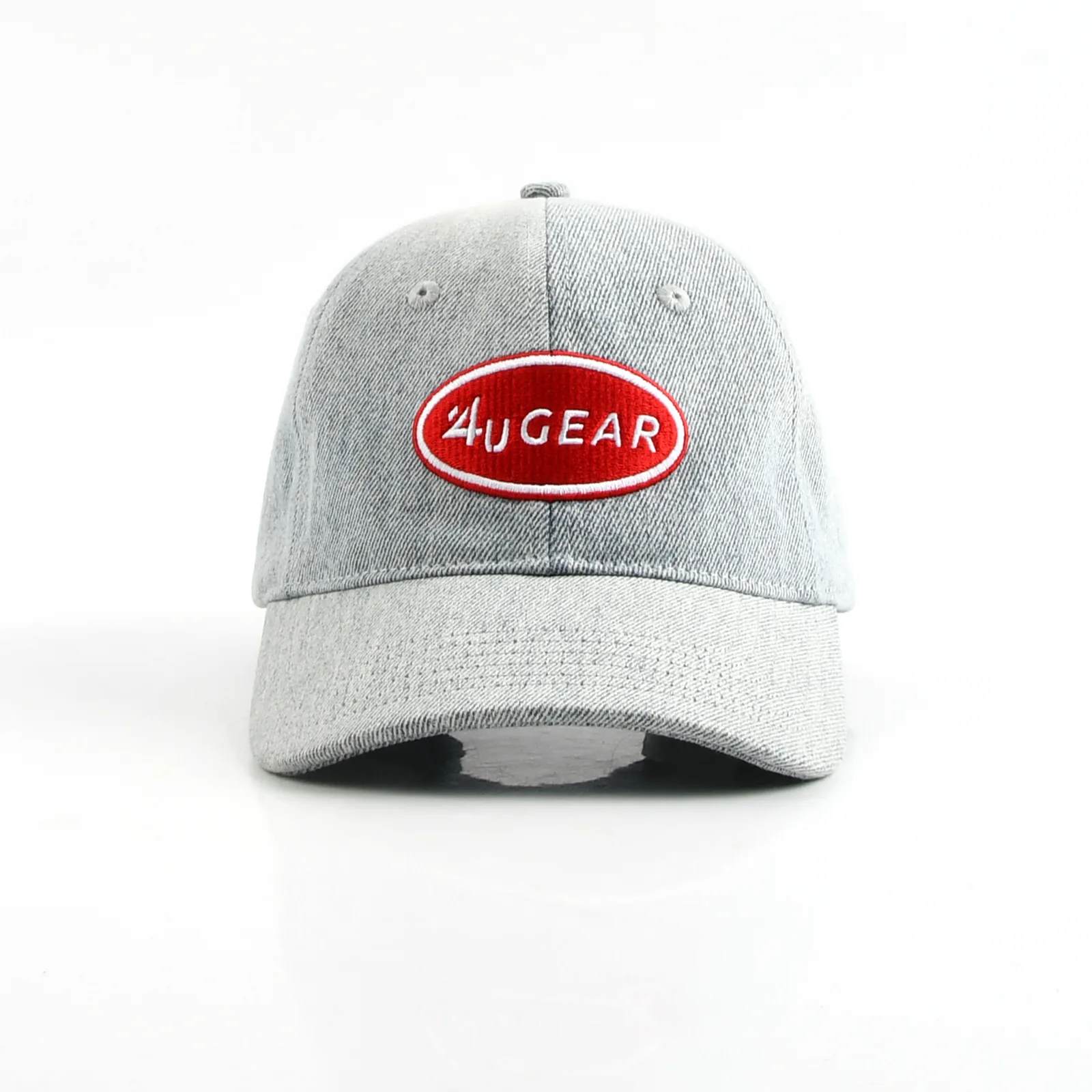
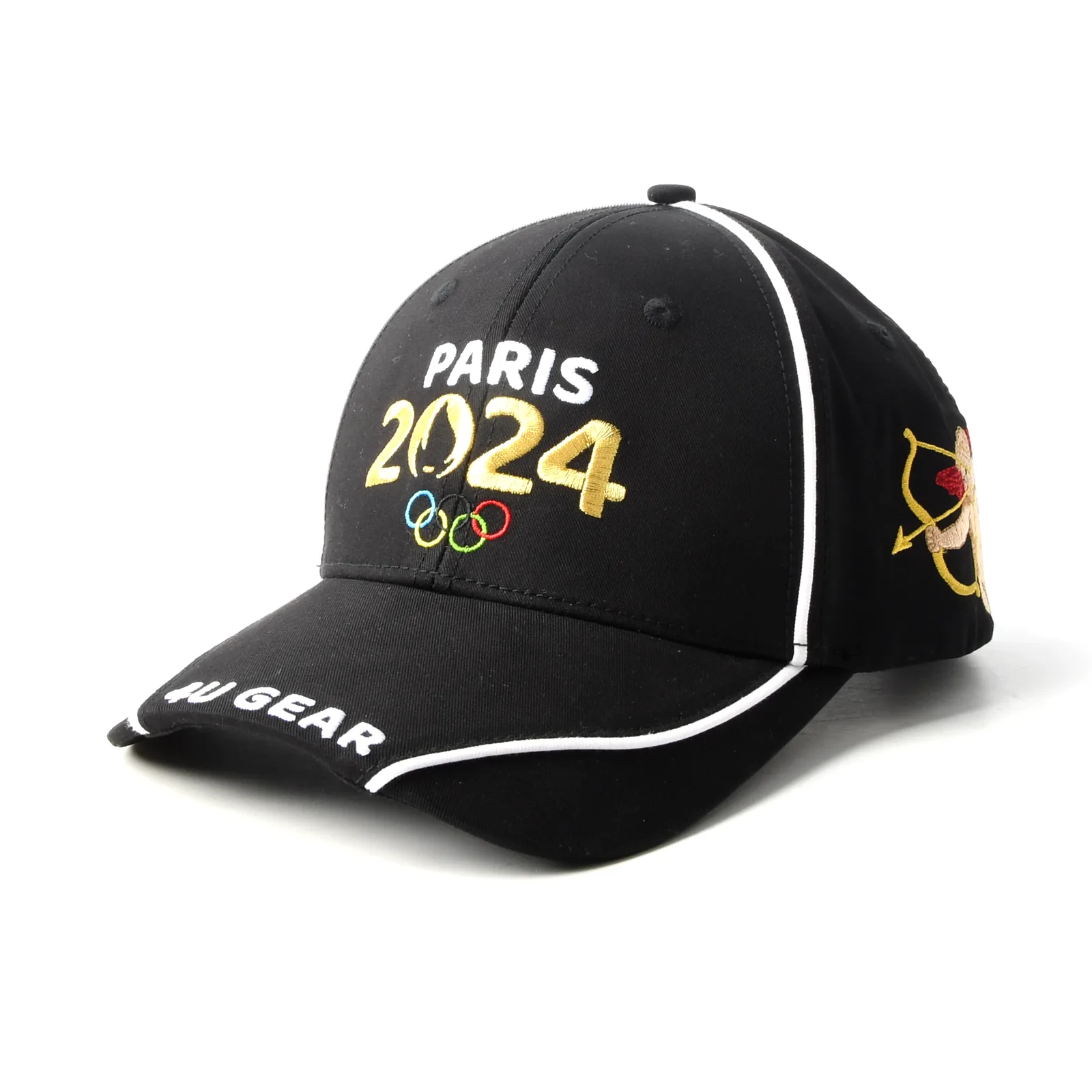
How Custom Hat Sampling Works
This guide explains how custom hat sampling really moves from brief alignment to approval, what each round should confirm, and how buyers can reduce wasted revisions before bulk planning begins.
Custom hat sampling is not simply the act of making one cap and waiting to see what happens. In strong programs, sampling works as a narrowing process: first confirm direction, then test structure and decoration, then decide whether the sample is ready for approval or whether a specific correction still needs to be made before bulk planning starts.
That is why the most useful question is not only how fast the first sample can be made. The more important question is whether the sample is being asked to solve the right problem at the right stage.
Quick take: A good sample process gives each round one clear job. The first round usually aligns direction. Later rounds confirm details. Projects slow down when one sample is expected to solve too many open questions at once.
What a typical sampling path should confirm
| Stage | Main purpose | What buyers should check |
|---|---|---|
| Brief alignment | Turn scattered ideas into one workable product direction | Shape, fit direction, decoration logic, market target, and what must stay fixed |
| First sample | Confirm overall silhouette, structure, and visual logic | Whether the cap body and product route are fundamentally correct |
| Revision sample | Correct clearly identified issues | Whether the next round addresses the real priority instead of changing too many things |
| Approval sample | Lock the product for bulk planning | Whether construction, trims, decoration, and finish are stable enough to move forward |
Takeaway: Sampling moves faster when buyers know what each round is supposed to prove.
Why sample rounds often multiply unnecessarily
Most delays do not happen because a factory cannot physically make a sample. They usually happen because the starting information is still fragmented, references are interpreted differently, logo size and placement were never locked clearly, or the team is still mixing shape decisions with decoration experiments in the same round.
Another common issue is feedback without clear priority. When every comment is treated as equally urgent, the next sample often changes too many things at once and makes it harder to tell what actually improved.
What buyers should prepare before sampling starts
- Target silhouette references and notes on the intended fit direction.
- Logo files, decoration intent, approximate placement, and what effect matters most.
- Material or trim preferences, plus which points are still open for factory judgment.
- Target quantity, timing goal, and whether the sample is meant to test direction or confirm approval readiness.
Takeaway: The clearer the starting package is, the more useful the first sample becomes.
How 4UGEAR approaches sample decision-making
4UGEAR works best when sampling is treated as a decision path rather than a one-step event. That means helping buyers clarify what the sample needs to confirm first, then keeping revisions tied to those priorities instead of scattering attention across every possible detail.
For U.S. and Mexico-facing programs, that usually matters because timing, retail fit, decoration effect, packaging, and price expectations often need to stay aligned through the whole sampling path. Clear sample logic makes MOQ and lead time discussion more reliable as well.
FAQ
Should the first sample already look final?
Not always. In many programs, the first sample is there to confirm shape, structure, and direction before the team starts chasing final refinement.
Why do some projects need more than one sample round?
Because different rounds serve different purposes. One round may align the body direction, while later rounds refine trims, decoration, or finish.
What is the fastest way to reduce wasted sample rounds?
Give one clear priority for each round and avoid asking one sample to solve shape, decoration, fit, packaging, and commercial decisions all at once.
When should a sample be treated as approval-ready?
When the construction, decoration, trims, and overall finish are stable enough to connect directly into MOQ, lead time, materials, and bulk planning.
Related pages
- What We Need to Start Sampling
- Custom Hat Sampling: From Design Idea to Approved Sample
- MOQ and Lead Time
Want to continue the discussion?
Send us your brief, target quantity, timeline, and references so we can help you define what the next sample round should actually confirm. Contact 4UGEAR.