


What We Need to Start Sampling
This guide explains what buyers should prepare before sampling so the first round starts with clearer priorities, fewer avoidable revisions, and a more reliable path into quotation, development, and bulk planning.
Sampling usually slows down long before the factory starts making anything. The real delay often begins when key project information is still scattered across messages, screenshots, moodboards, and partial notes that never become one usable brief.
That is why experienced buyers do not ask only how fast the first sample can be made. They first ask whether the factory has enough decision-ready information to make the right sample for the right reason. A faster start is only useful when the first round is testing the correct product direction instead of collecting missing basics.
Quick take: The best sample-start package is not the longest file set. It is the one that clearly shows what the product should become, what is already fixed, what is still open, and what the first sample actually needs to confirm.
What buyers should lock before sampling starts
Before the sample room begins, buyers should turn ideas into one usable development package. That does not mean every detail must already be final. It means the factory needs enough clarity to understand the product route, the decision priorities, and the commercial context.
| What to prepare | Why it matters | What often goes wrong |
|---|---|---|
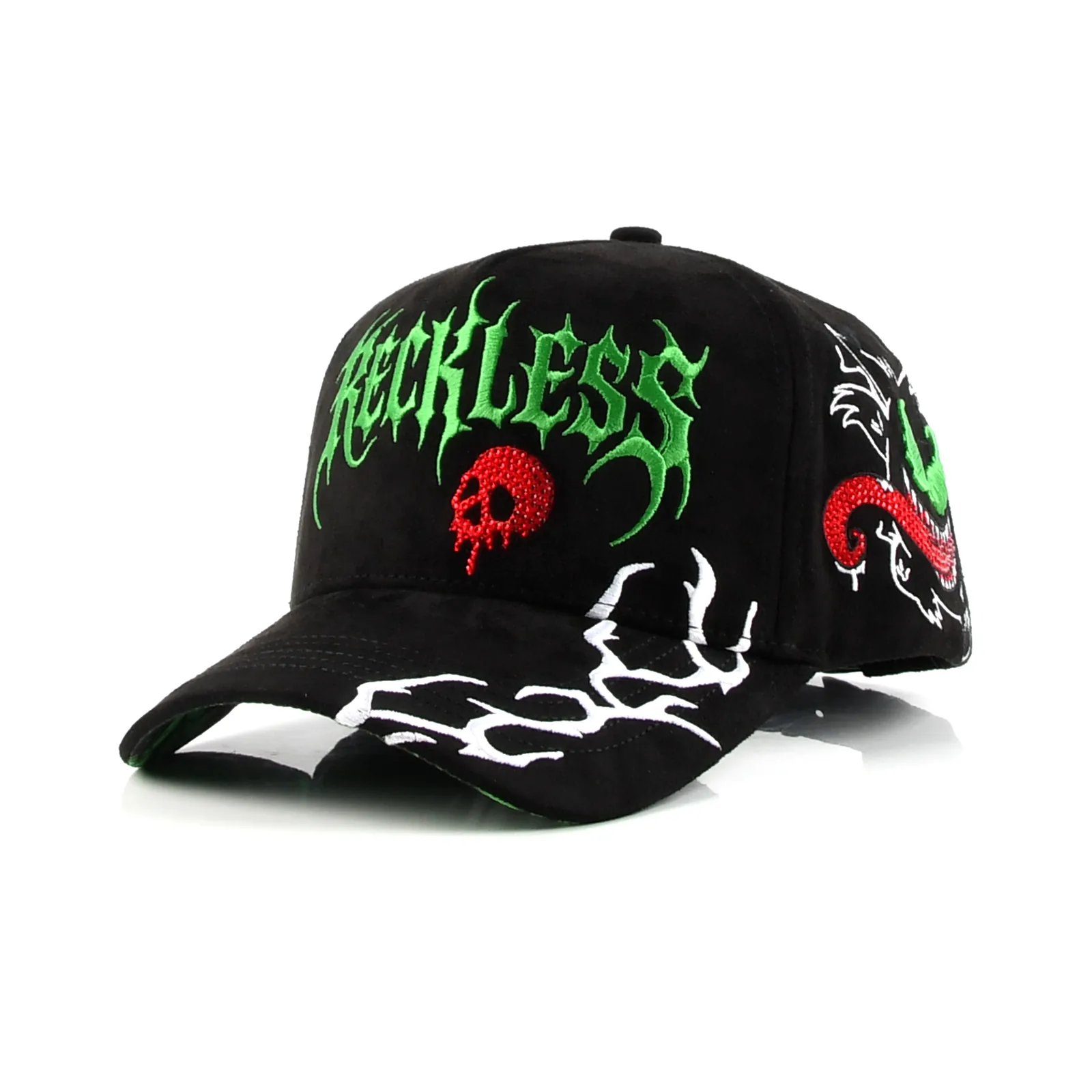
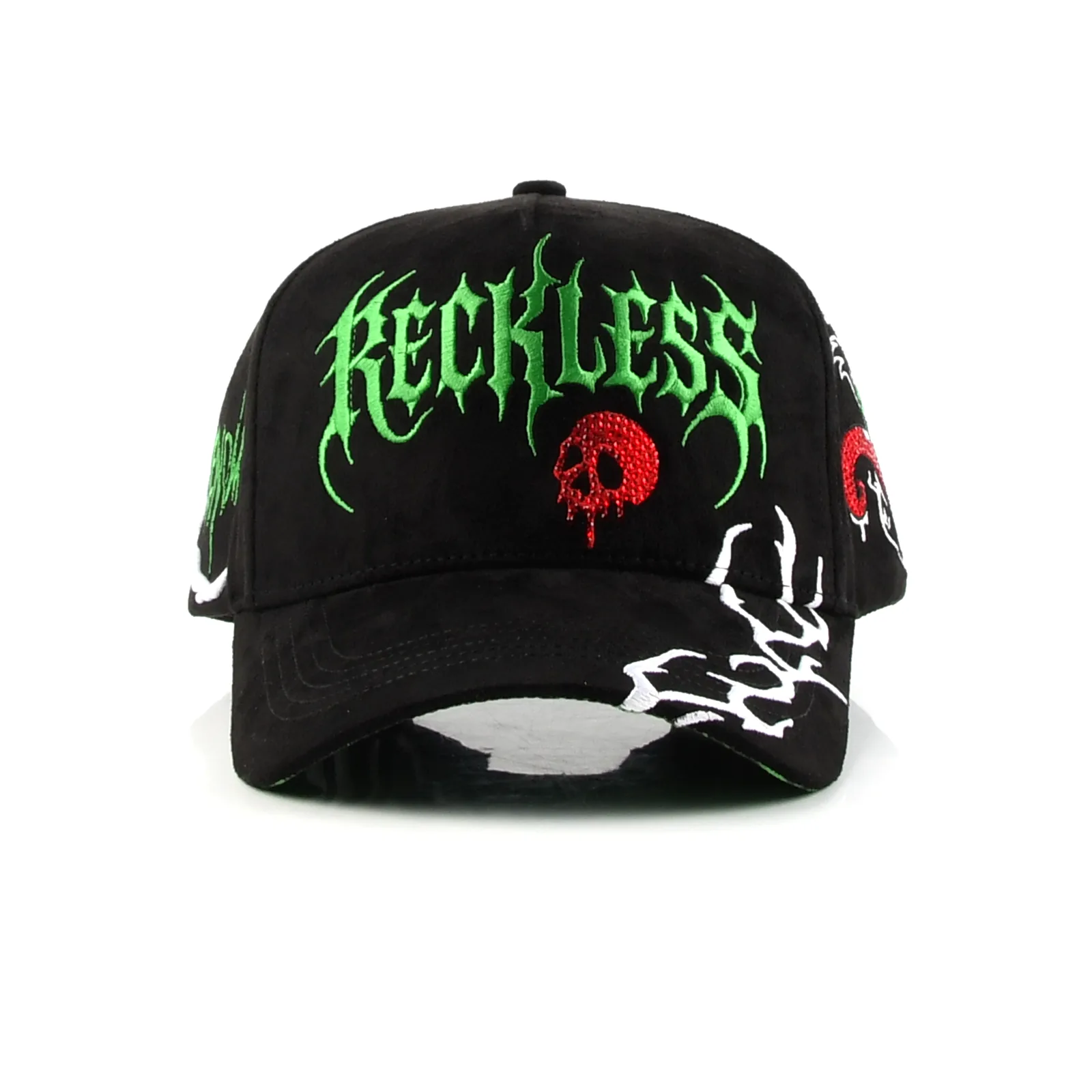
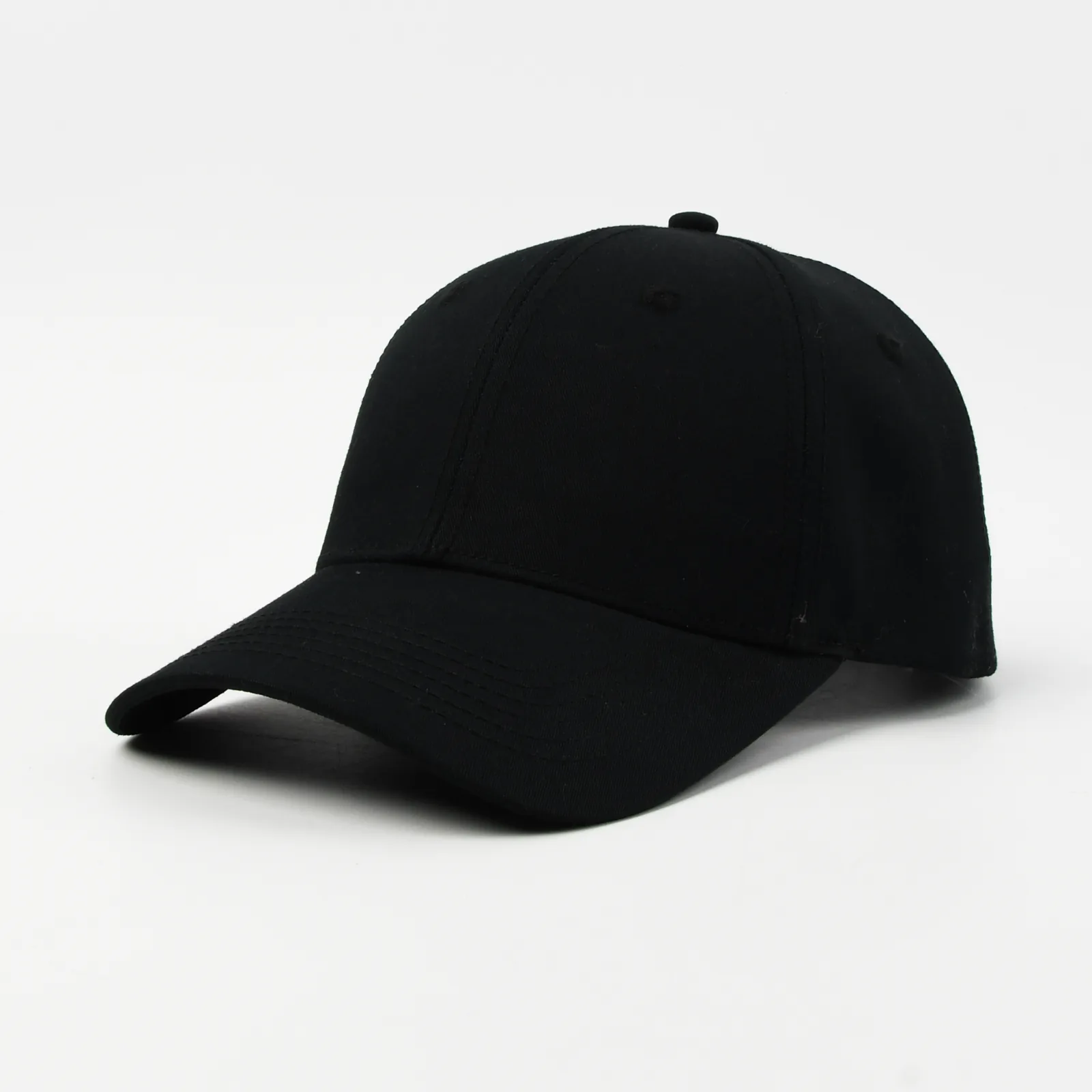
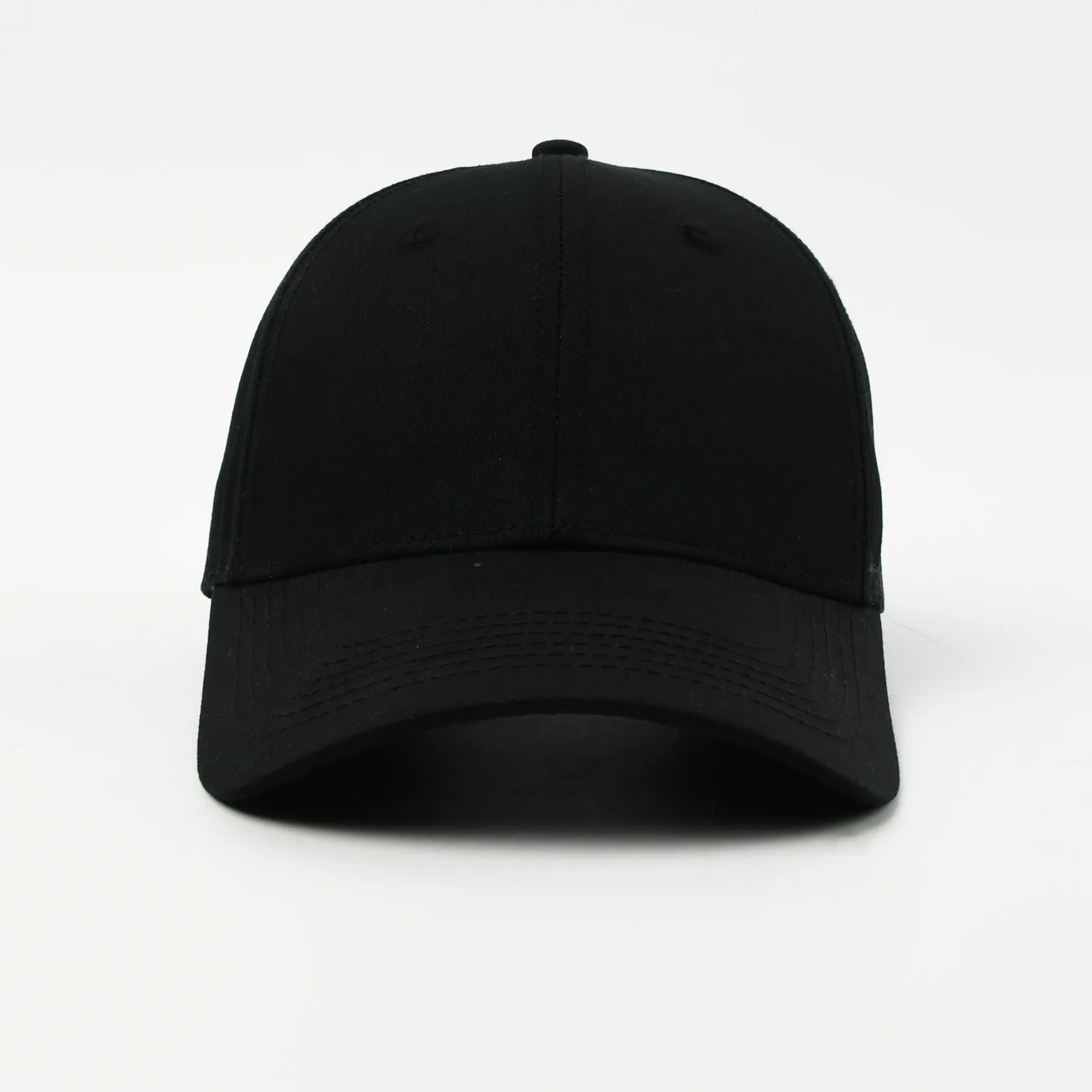
| Cap references and silhouette direction | Helps the factory understand the intended shape, crown feel, visor direction, and overall product attitude | Buyers send inspiration images but never say which shape detail matters most |
| Logo files and decoration intent | Clarifies size, placement, embroidery or patch logic, and what visual effect needs to be protected | The artwork is sent, but placement or priority is still unclear |
| Material and trim notes | Shows which fabrics, closures, labels, tapes, packaging, or details are already important to the brand | The sample starts before anyone knows which trims are fixed versus flexible |
| Quantity, timing, and target market | Connects sampling to quotation logic, MOQ discussion, and real program constraints | The sample is treated as design-only work with no commercial context |
| Decision priorities | Tells the factory what must stay fixed and where technical judgment is still welcome | Too many open goals compete with each other and make feedback messy |
Takeaway: Buyers do not need a perfect tech file on day one, but they do need a usable decision structure before the first sample is commissioned.
What is most useful for buyers to prepare first
- Cap references, target silhouette, fit direction, and any existing sample or market image that shows what the product is trying to become.
- Logo files, decoration ideas, color direction, and any notes on fabric, trims, labels, packaging, or details that already matter to the brand.
- Quantity expectation, target price level, market or channel, requested timing, and which points are fixed versus which points still need factory judgment.
Takeaway: The best starting package explains both the product and the decision logic around the product.
What buyers often leave unclear before the first sample
The missing pieces are often not the obvious ones. Buyers may send images but forget to explain which detail matters most. They may want the look of one reference, the price level of another, and the timing of a third without saying which priority should win if those goals conflict.
Another common issue is treating every open question as equally important. In reality, the first sample works best when buyers separate core must-haves from items that can still be adjusted later. Once that hierarchy is visible, the factory can protect the right decisions and avoid wasting the first round on avoidable guesswork.
Why this saves time before development really starts
A stronger starting package improves both the first sample and the first quotation discussion. It reduces avoidable back-and-forth, gives the sample team a cleaner direction, and helps the buyer reach a meaningful review stage faster instead of spending the first round only on correction of missing basics.
This is also where MOQ and lead time discussion becomes more reliable. When the development path is clearer, the factory can judge timing, sourcing, trims, and execution risks with fewer assumptions. Better preparation does not just save sample time. It improves project planning overall.
How 4UGEAR uses this information
4UGEAR is strongest when buyers want the sample room to work from a real project brief rather than from fragmented references. That means understanding the target silhouette, decoration route, trims, commercial goal, and where the buyer still wants technical input before the first round is started.
For buyer programs serving the U.S. and Mexico markets, this matters even more when timing, retail presentation, mixed trims, and market fit all need to stay aligned. Clearer preparation usually reduces revision waste and makes the full development route easier to control.
FAQ
Do buyers need a complete tech pack before asking for a sample?
No. But the factory does need a clear enough starting brief to understand the shape direction, decoration intent, quantity logic, timing target, and what the first sample is meant to confirm.
What causes the first sample to miss the target most often?
Usually unclear priorities. The factory receives references, but no one explains which silhouette, logo behavior, or trim logic matters most.
Should packaging be discussed before sampling?
Yes, at least at a directional level. If packaging, labels, tags, or channel requirements already matter, that information should be visible early because it can affect development and later timing.
What should buyers send if some decisions are still open?
Send the strongest references you have, mark what is fixed, mark what still needs factory advice, and explain what the first round is expected to prove.
Related pages
Want to continue the discussion?
Send us your brief, target quantity, timing, and reference files so we can help turn the current idea into a cleaner sample-start package. Contact 4UGEAR.