

MOQ and Lead Time

Quick Summary

This guide explains how buyers should judge MOQ and lead time in real custom hat programs, including what changes the numbers, what must be locked first, and how to avoid planning against unreliable estimates.

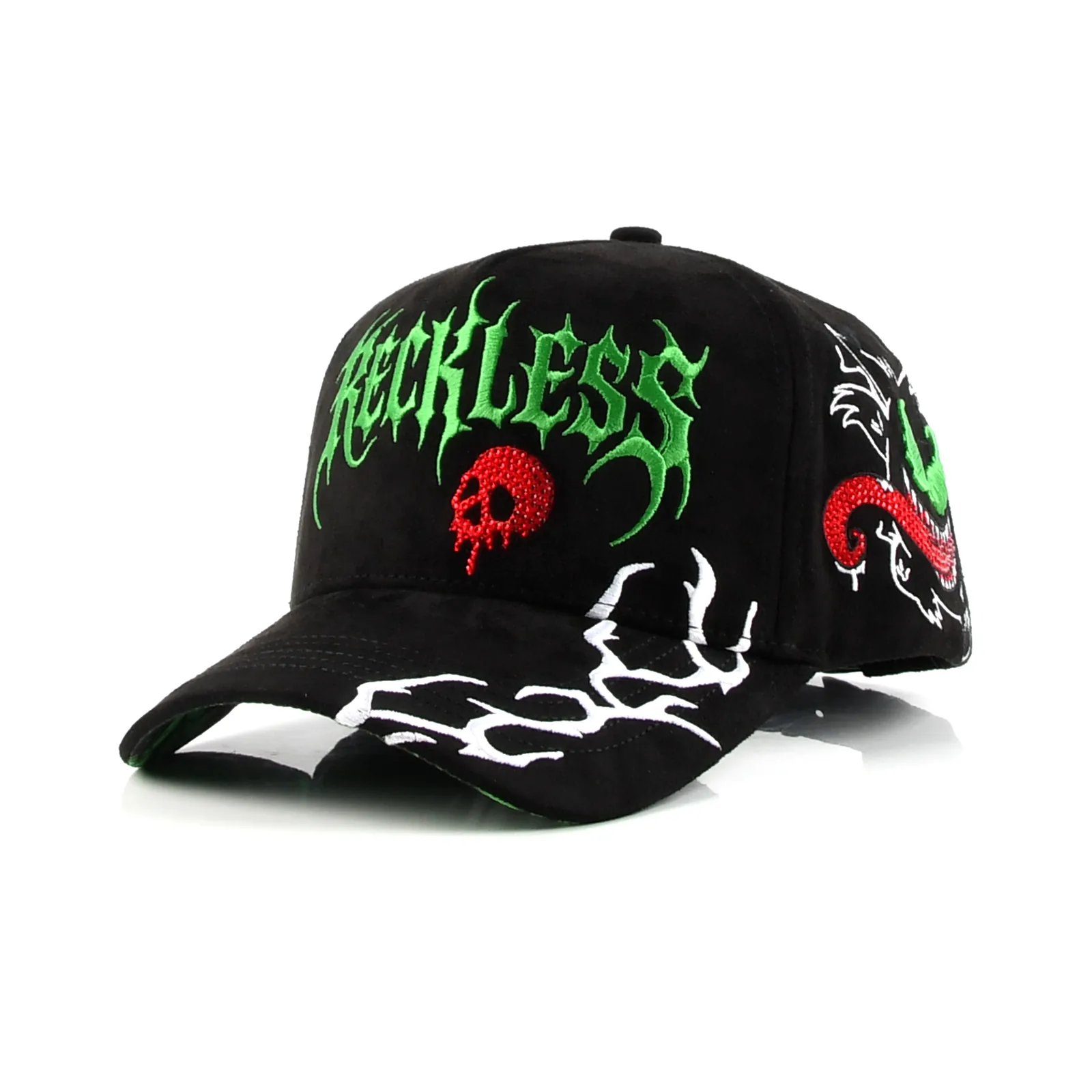
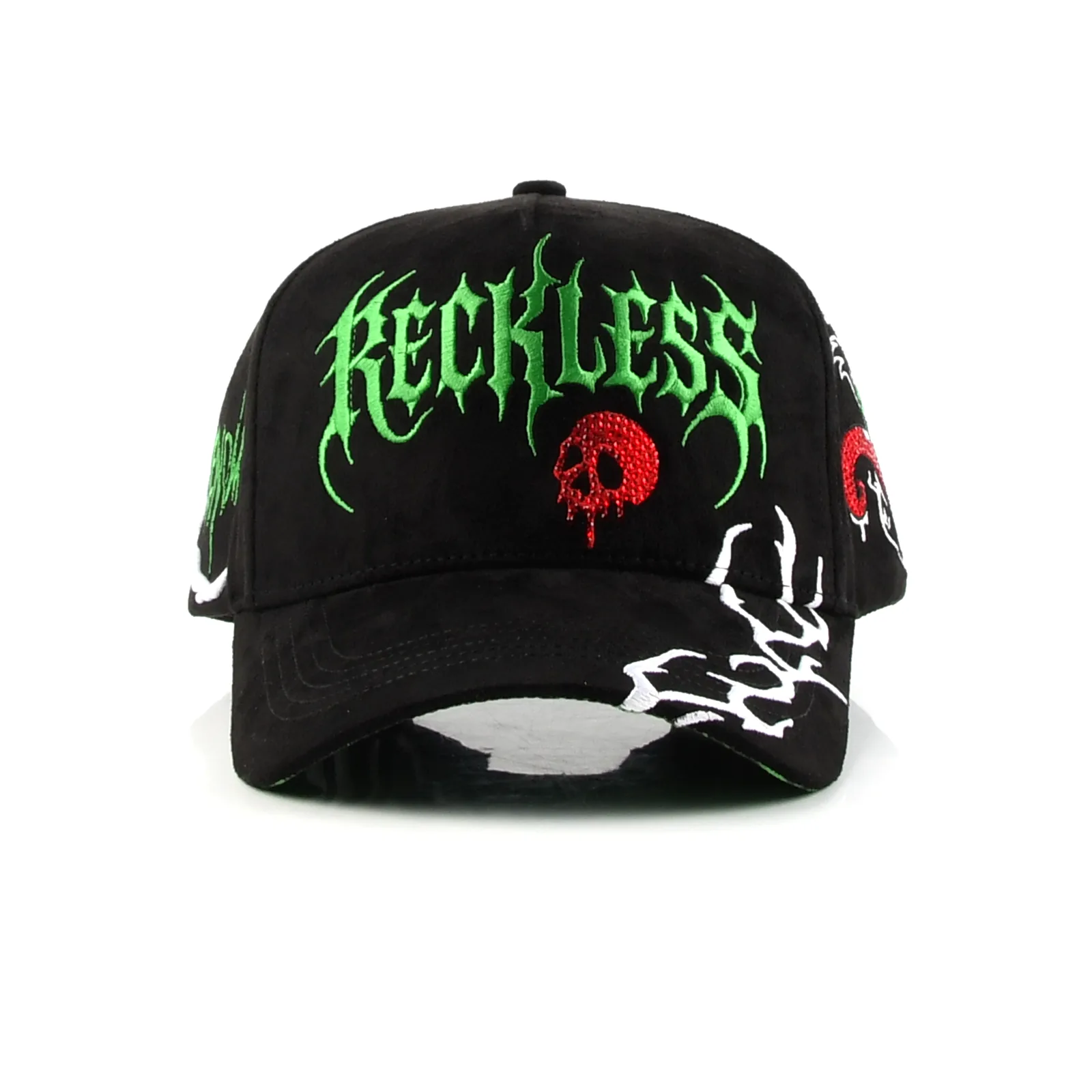
MOQ and lead time are rarely reliable when treated like fixed numbers copied from one cap program to another. In real custom hat development, those numbers move with silhouette, construction, material choice, decoration route, trims, packaging, factory allocation, and how clearly the project is defined before sampling even starts.

That is why experienced buyers do not ask only, "What is your MOQ?" or "How many days will this take?" The better question is what assumptions those numbers are based on, and which project decisions could still change them.

Quick take: MOQ and lead time become reliable only after the cap body, decoration route, material logic, packaging requirement, and approval path are clear enough. Early numbers are useful only when buyers understand what still may move.

What buyers should confirm before relying on MOQ and lead time

Before treating quantity and timing as decision-ready numbers, buyers should confirm whether the quote already reflects the real product path rather than a simplified placeholder version of the style.

What to confirmWhy it mattersWhat often goes wrong
Cap constructionDifferent panel structures, crown heights, closures, and fabric combinations affect setup and sourcingMOQ is quoted from a simpler reference style, not the actual one
Decoration routeEmbroidery, patches, applique, mixed decoration, and special trims change both complexity and schedulingLead time is quoted as if decoration were standard
Material readinessCustom fabrics, dyed materials, labels, packaging, and trims often have their own preparation timelinesOnly sewing time is counted, while material timing is ignored
Approval stageSampling, revision, and confirmation rhythm directly affect production startBuyers plan against bulk timing before the sample path is stable
Factory allocationQuantity and delivery depend on line availability, season load, and how the project fits the current production planThe quote sounds firm, but actual slotting was never checked

Takeaway: Buyers should not rely on MOQ and lead time until they know exactly which version of the project those numbers are attached to.

How we actually judge MOQ

For 4UGEAR, MOQ is a project variable rather than a generic answer. We usually judge it against the real program logic: construction difficulty, decoration complexity, sourcing efficiency, trim setup, packaging, and whether the style is a repeatable route or a more customized launch item.

That is why a cleaner, simpler repeat style may support a different MOQ logic from a streetwear program with multiple trims, more layered decoration, or brand-specific packaging. Lower MOQ is not always impossible, but it often depends on what is being simplified, what is already standardized, and what the buyer is willing to keep flexible.

How buyers should read lead time more realistically

Lead time should not be read as one production-only number. In practice, buyers need to separate at least four timing layers: sample preparation, revision and approval, material readiness, and bulk production plus packing. If those stages are not separated, the timeline can sound shorter than it really is.

  • Sample timing depends on how clear the brief is and whether revisions are likely.
  • Material timing depends on fabrics, labels, trims, packaging, and whether anything needs custom sourcing.
  • Bulk timing depends on confirmed details, production complexity, line allocation, and inspection flow.
  • Ship-out timing depends on packing readiness, final confirmation, and the delivery method being planned.

Takeaway: A good timeline is not the shortest one. It is the one that reflects how the project will actually move from sample to shipment.

What buyers often misunderstand

One of the most common mistakes is locking a launch date, marketing calendar, or internal sales plan around early MOQ and lead time numbers that were discussed before the product route was fully organized. Another common mistake is comparing two factories by headline numbers alone without checking whether both suppliers are quoting the same construction, decoration, trim scope, and approval assumptions.

In other words, buyers do not only need numbers. They need the logic behind the numbers. Once that logic is visible, MOQ and lead time become much more useful as planning tools instead of becoming a source of later surprise.

Where 4UGEAR adds value in this discussion

4UGEAR is strongest when buyers want to connect quantity and timing discussion to real development conditions rather than to generic sales answers. That usually means clarifying what must be locked before sampling, what may still affect sourcing and production, and how to frame MOQ and timing in a way that supports real decision-making.

For buyers serving the U.S. and Mexico markets, this becomes especially important when launch timing, multiple trims, custom packaging, and retail presentation all matter at once. In those cases, cleaner planning usually saves more time than optimistic quoting.

FAQ

Can MOQ be confirmed before sampling?

It can be estimated early, but buyers should treat it as provisional until the construction, materials, decoration, and packaging path are clearer.

Why does lead time change after the first discussion?

Usually because the real product route becomes more specific. Once decoration, trims, packaging, and approval requirements are clearer, the timeline becomes more realistic.

Is a lower MOQ always better?

Not always. A lower MOQ can help testing, but buyers should also check whether it changes unit cost, sourcing efficiency, or what parts of the style need to be simplified.

What should buyers send before asking for MOQ and lead time?

Send the target cap direction, decoration plan, quantity range, packaging expectation, timing goal, and any notes on what is already fixed versus what is still open.

Want to continue the discussion?

Send us your target quantity, timing window, decoration plan, and reference files so we can help you judge MOQ and lead time against the real project route. Contact 4UGEAR.

Recommended Pages

Continue with decision-stage pages

Related Articles

Keep building context before inquiry

Project Inquiry

Send your brief so the conversation can move into useful territory faster

You can start with sampling needs, craft difficulties, quantity targets, label requirements, or delivery timing. We reply around what the project actually needs next.

Global FAQ

Questions buyers usually want answered before sampling and production move forward

This shared FAQ block appears on article pages so buyers can quickly confirm sampling, decoration, lead time, and production coordination questions.

We mainly work with brand customers, importers, and program-based buyers who need repeatable headwear development and production support.

Yes. Our strength is in embroidery, rhinestones, metal badges, and mixed decoration programs that need both visual impact and production control.

Yes. We use China and Vietnam factory support to balance lead time, cost structure, and sourcing strategy for different programs.

Yes. We have deep market familiarity with Mexico and broad experience supporting U.S. and Mexico-facing brand programs.