


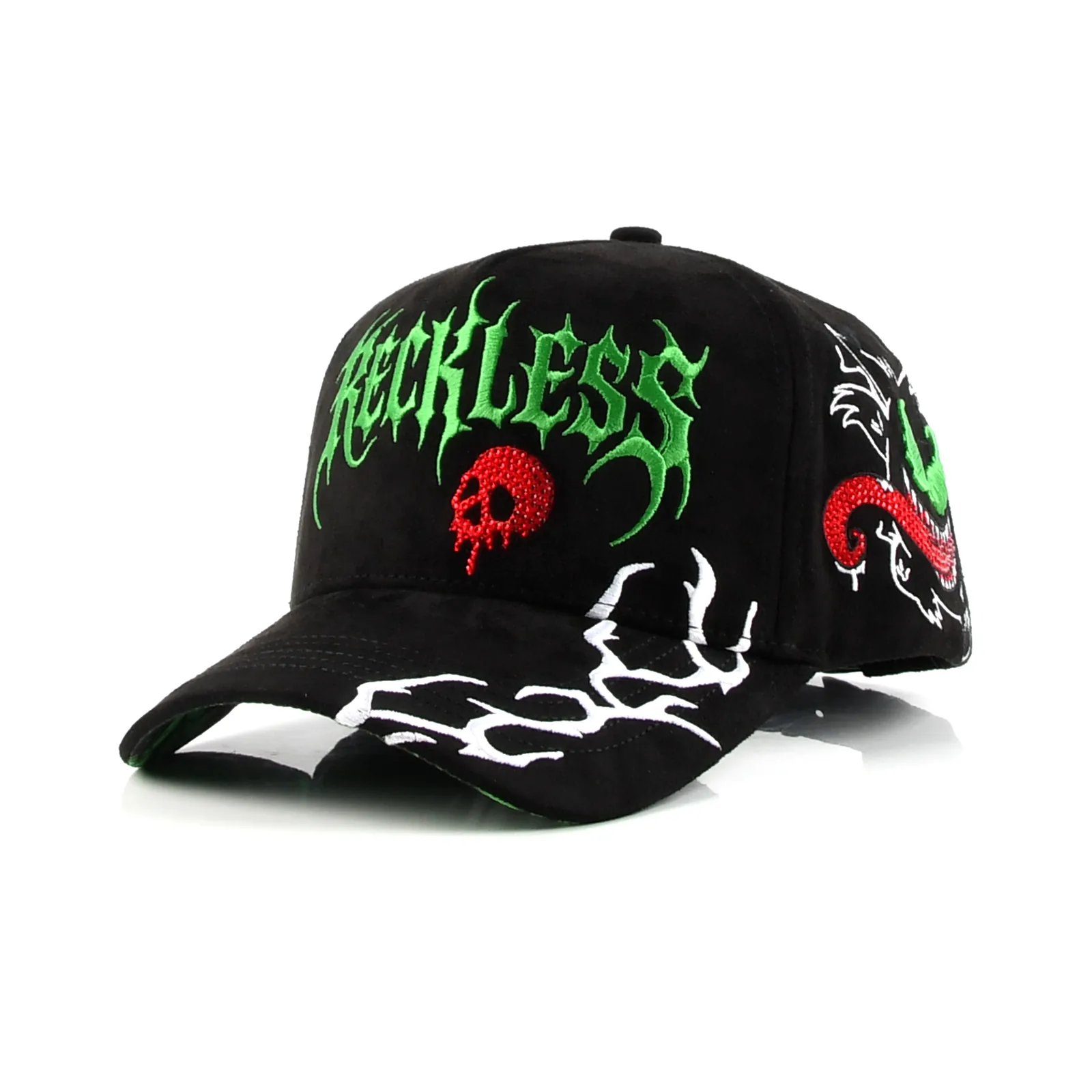
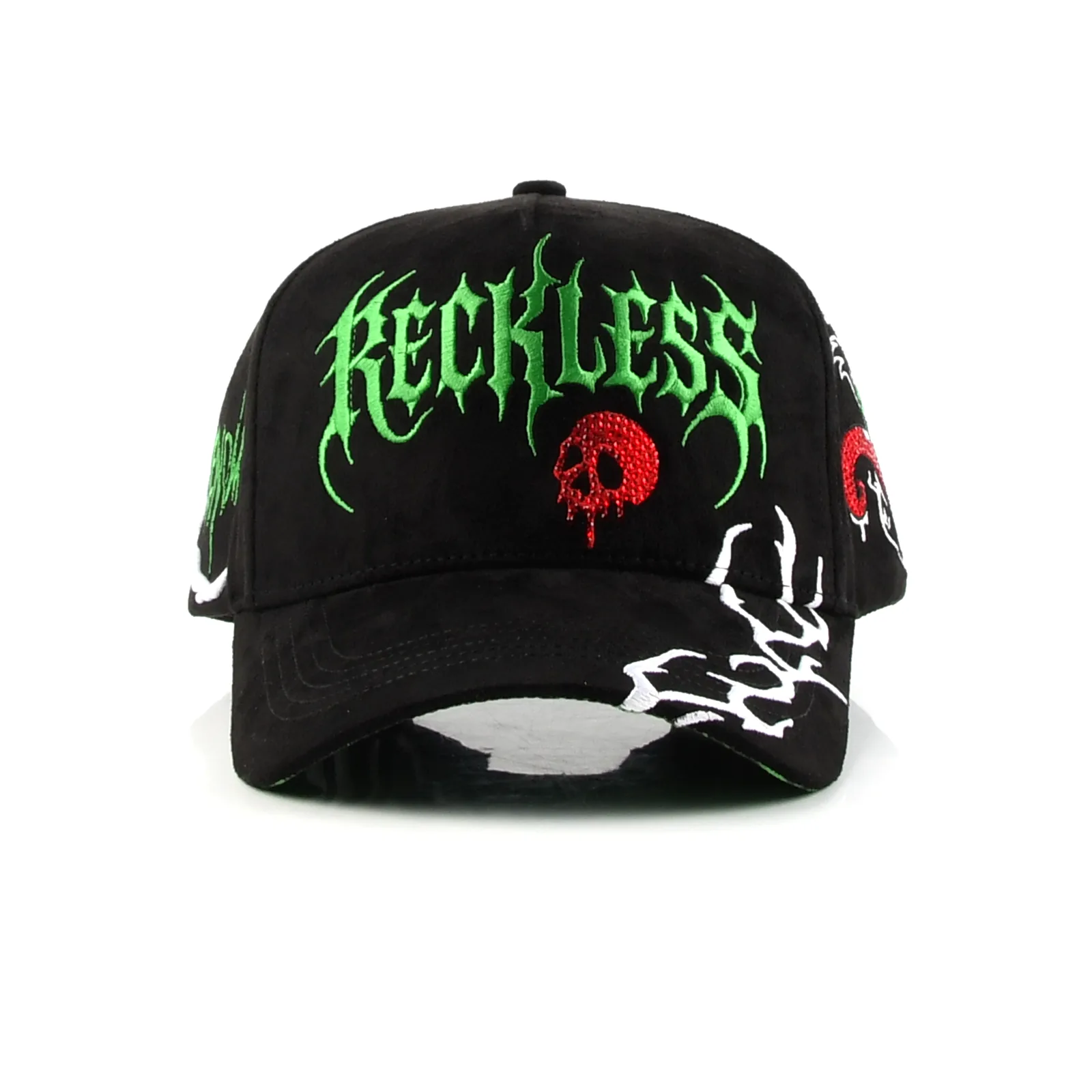
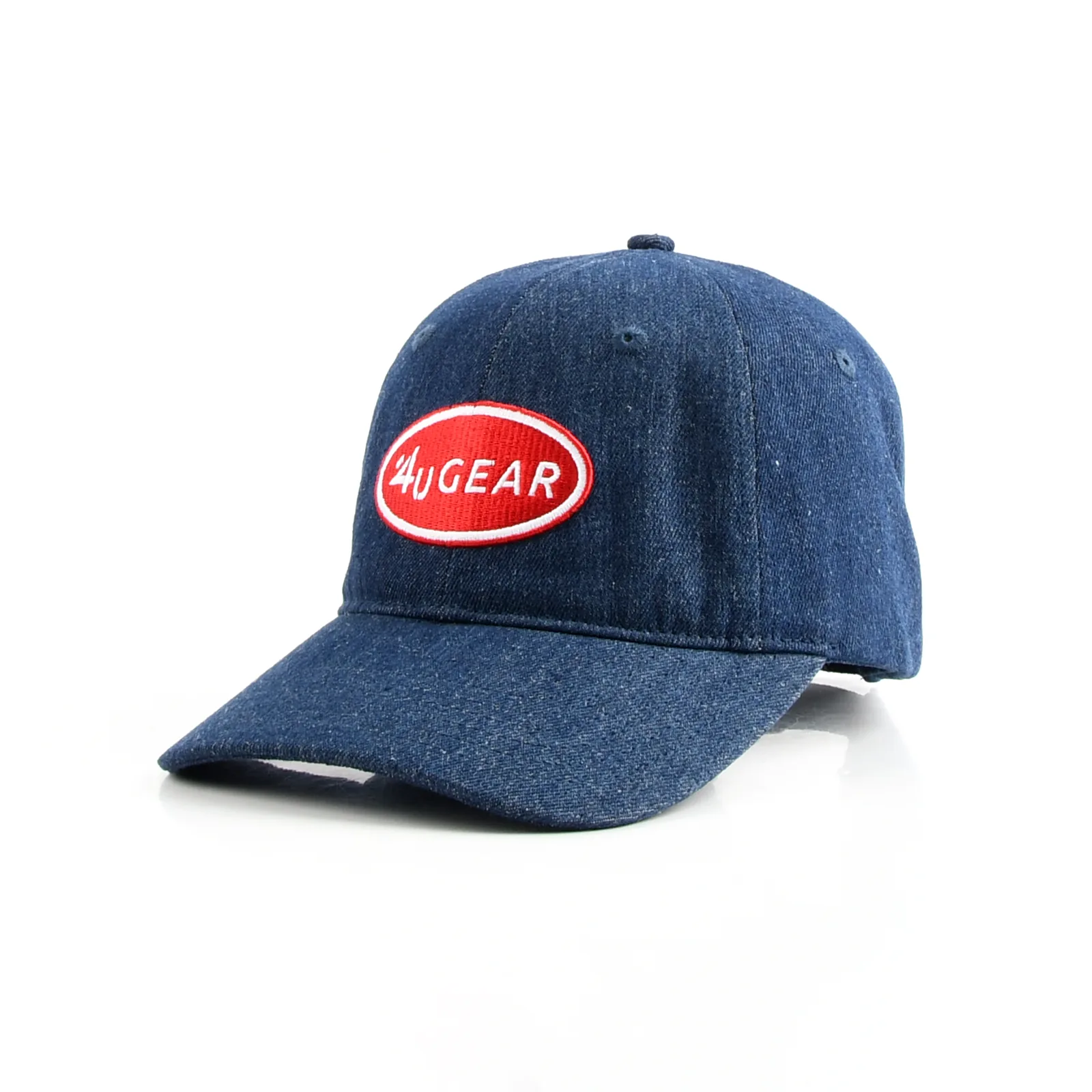
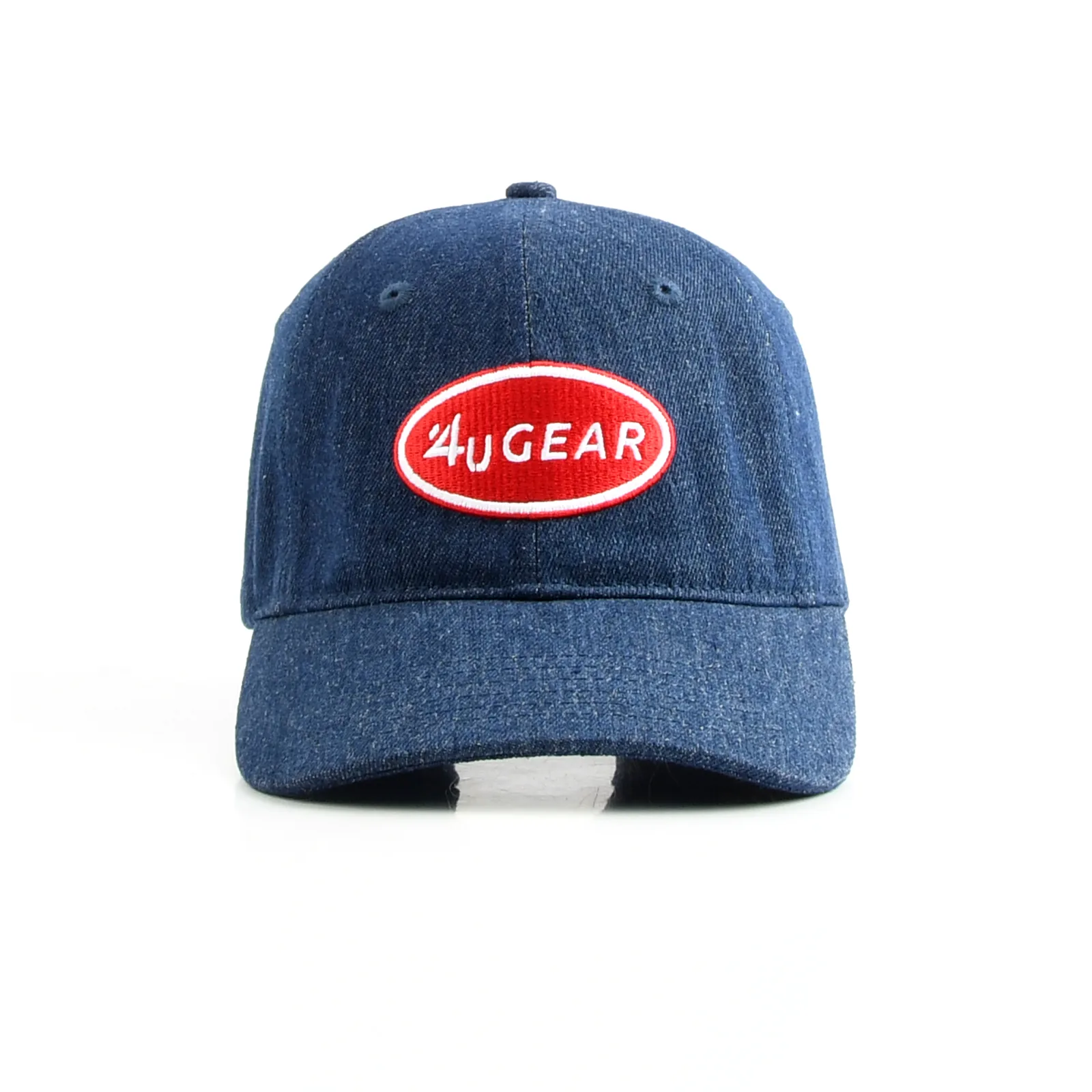
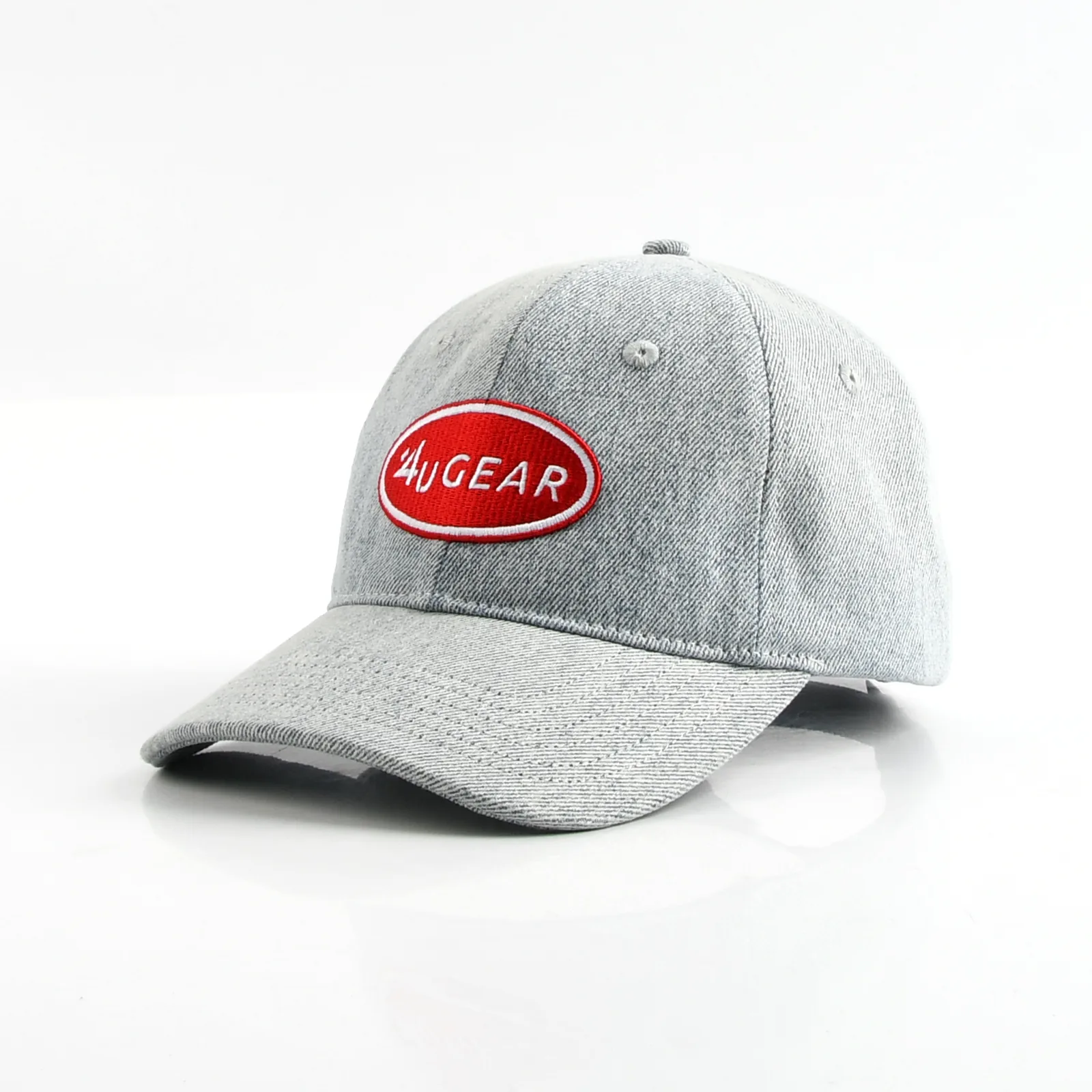
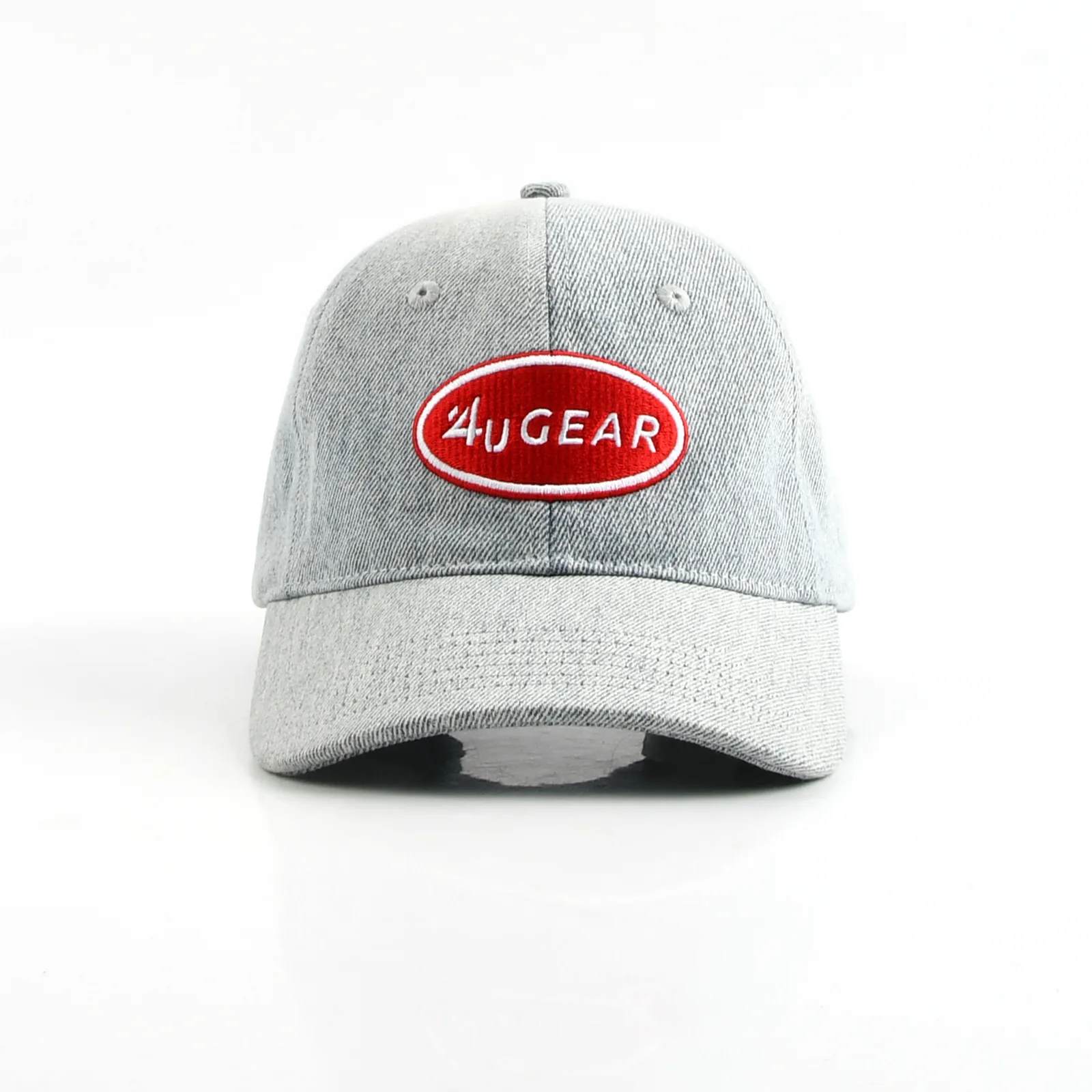
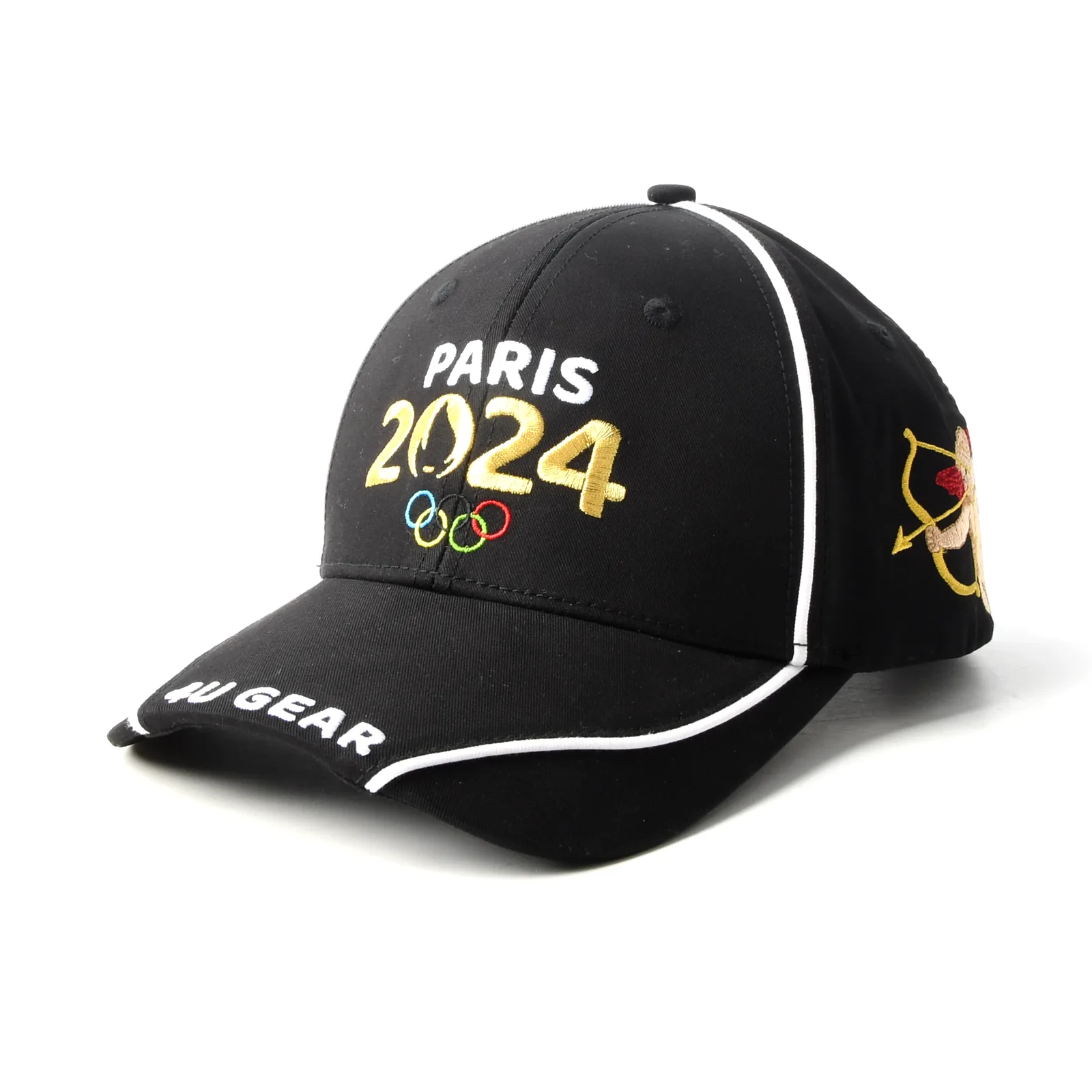
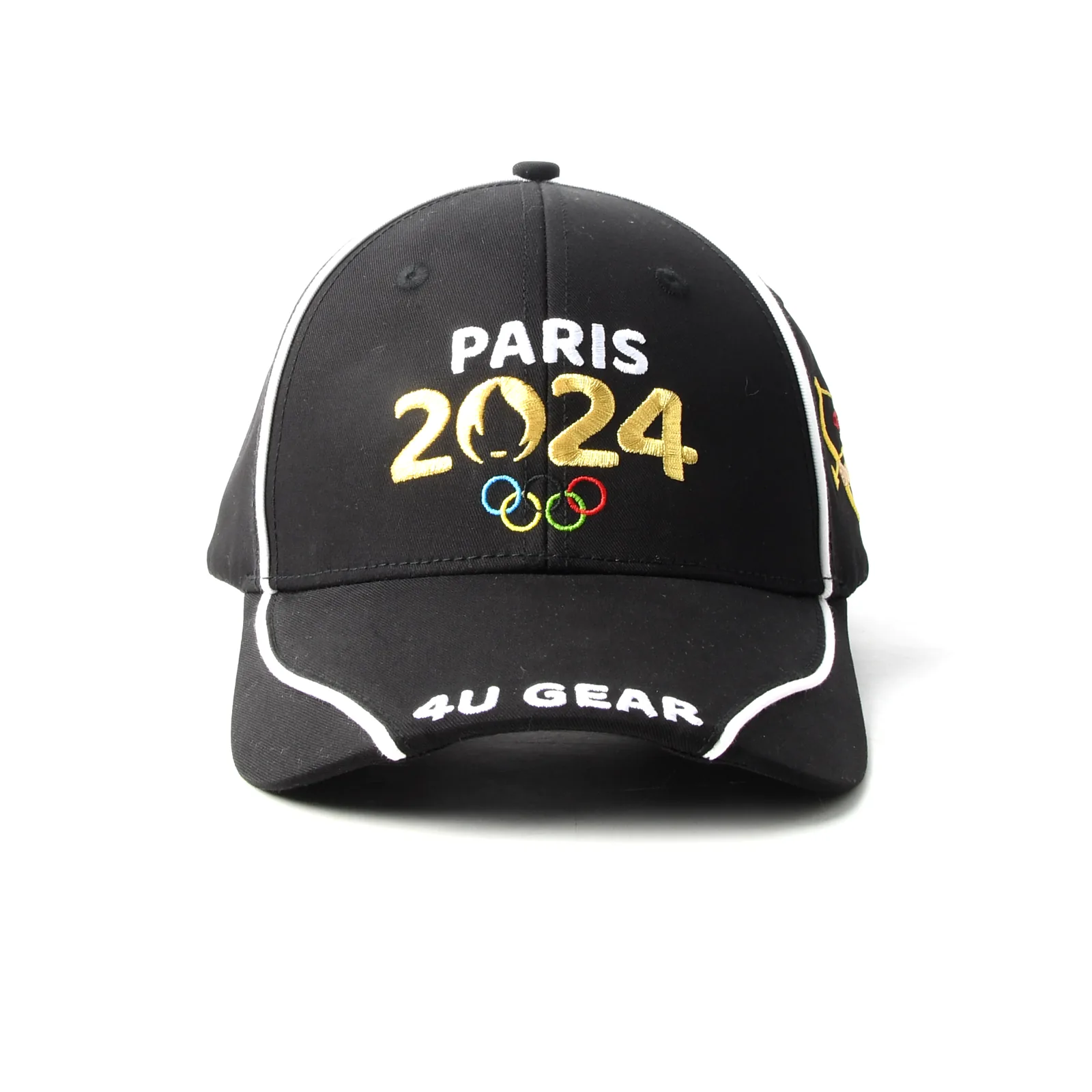
Chenille patch atau bordir untuk lini topi gaya varsity
Panduan ini menjelaskan kapan chenille patch dan bordir menyelesaikan tugas yang berbeda dalam program topi varsity agar arah development bisa dikunci lebih cepat.
Kesalahan paling umum dalam proyek topi gaya varsity biasanya bukan karena buyer tidak punya arah style. Masalah yang lebih nyata muncul ketika proyek sebenarnya ingin front yang lebih tebal, lebih retro, dan lebih dekat ke bahasa letterman, tetapi malah memilih jalur craft yang salah. Chenille patch dan bordir sama-sama bisa masuk ke topi varsity, tetapi keduanya tidak menyelesaikan tugas visual yang sama.
Jika arah craft dan logika cap body tidak dibaca bersama sejak awal, proyek mudah masuk ke area yang canggung: shape topi sudah benar, tetapi front tidak terasa cukup kuat; atau patch sudah mencolok, tetapi edge, proporsi, dan tension panel depan tidak cocok dengan body topi. Pertanyaan yang lebih penting bukan craft mana yang terdengar lebih premium. Pertanyaannya adalah craft mana yang lebih pas untuk hasil varsity yang benar-benar ingin dikirim.
Poin utama: Jika proyek membutuhkan front yang lebih tebal, lebih retro, dan lebih dekat ke rasa patch letterman, mulai dari chenille patch. Jika yang lebih penting adalah line control yang lebih bersih, repeat production yang lebih stabil, dan adaptasi market yang lebih luas, bordir biasanya menjadi jalur yang lebih aman.
Definisi: Di sini chenille patch berarti aplikasi dengan tekstur berbulu dan presence material yang lebih kuat. Bordir berarti artwork dibangun langsung di body topi atau kain dasar. Keduanya bisa membawa bahasa varsity, tetapi bereaksi berbeda dalam hal ketebalan, edge finish, handfeel, berat, dan kontrol sample.
Apa perbedaan yang benar-benar penting
Di permukaan buyer terlihat membandingkan patch melawan bordir. Dalam praktiknya, buyer sedang membandingkan dua cara berbeda dalam membaca front topi. Chenille patch bekerja seperti blok material yang diletakkan di wajah depan dan menonjolkan tekstur, depth, serta energi retro tim. Bordir bekerja lebih seperti grafis yang ditulis langsung ke struktur topi dengan kontrol yang lebih rapat atas line, density, dan outline.
Karena itu, perbedaan utamanya bukan craft mana yang lebih trendi. Yang menentukan adalah apakah hasil akhir harus terbaca sebagai varsity cap dengan patch yang sangat terasa materialnya atau sebagai embroidered varsity cap yang lebih bersih dan lebih terkontrol.
Kesimpulan: Putuskan dulu apakah proyek membeli ketebalan dan presence material atau grafis yang lebih bersih. Setelah itu baru putuskan craft.
Kapan chenille patch biasanya lebih kuat
Chenille patch biasanya lebih kuat ketika program membutuhkan mood jaket kampus yang lebih jelas, sinyal retro yang lebih kuat, atau front graphic yang memang harus terasa seperti material insert sungguhan. Jalur ini sangat cocok untuk huruf besar, crest blok, dan simbol varsity yang membutuhkan edge yang terlihat jelas.
Itu tidak berarti chenille otomatis terlihat lebih bagus. Edge finish, kain dasar, ketebalan patch, kebersihan jahitan tempel, dan support panel depan akan langsung mengubah hasil. Jika patch terlalu besar atau panel depan terlalu lembut, wajah topi bisa terasa berat atau turun.
Kesimpulan: Chenille patch paling masuk akal ketika buyer memang ingin bahasa retro tim yang kuat, bukan sekadar logo yang terasa sedikit lebih tebal.
Kapan bordir menjadi jalur yang lebih aman
Jika proyek membutuhkan outline yang lebih tajam, repeat production yang lebih stabil, atau logo dengan detail line yang lebih banyak, bordir biasanya menjadi jalur yang lebih aman. Banyak topi varsity sebenarnya tidak membutuhkan patch berat untuk terasa benar. Dalam beberapa kasus, front bordir yang proporsinya tepat di body topi yang benar sudah cukup memberi energi varsity.
Bordir juga lebih mudah beradaptasi di berbagai body topi, rentang kuantitas, dan program retail yang lebih luas. Jalur ini cocok untuk buyer yang ingin menjaga tone varsity tanpa membuat front terlalu berat atau terlalu bergantung pada kestabilan material patch.
Kesimpulan: Jika prioritas sebenarnya adalah kontrol yang lebih bersih, repeatability, dan penggunaan yang lebih luas, bordir biasanya jawaban yang lebih baik.
Apa yang sebaiknya dibandingkan buyer
| Faktor | Chenille patch | Bordir |
|---|---|---|
| Sinyal visual | Lebih tebal, lebih retro, lebih terasa seperti patch tim | |
| Grafis yang paling cocok | Huruf besar, crest blok, front yang sangat material | Logo line, detail lebih banyak, repeat lebih stabil |
| Risiko umum | Bisa terasa berat jika edge dan support front tidak cocok | Bisa terasa datar jika stitch logic dan proporsi lemah |
| Tuntutan ke body | Butuh support front dan balance yang lebih kuat | Biasanya lebih mudah masuk ke lebih banyak body |
| Target buyer | Bahasa retro tim dan presence material | Eksekusi yang lebih stabil dan retail yang lebih luas |
Kesimpulan: Jalur yang lebih baik adalah jalur yang paling dekat dengan hasil varsity yang memang ingin dikirim.
Apa yang harus dikunci sebelum sample pertama
Sebelum sample pertama, buyer sebaiknya menuliskan beberapa keputusan dasar: apakah front membutuhkan ketebalan atau kejernihan garis, apakah grafis harus mempertahankan tekstur chenille sungguhan, seberapa firm panel depan harus terasa, dan apakah proporsi ingin dibaca lebih retro atau lebih bersih. Tanpa keputusan itu, diskusi craft mudah berubah menjadi revisi sample berulang.
- Tentukan apakah presence material atau kejernihan grafis yang lebih penting.
- Pastikan apakah logo berupa blok huruf, crest, atau tanda yang lebih detail.
- Cek apakah panel depan punya support cukup untuk jalur patch yang lebih tebal.
- Tentukan apakah prioritasnya bahasa varsity yang lebih kuat atau adaptasi retail yang lebih luas.
- Tulis apakah sample pertama sedang menguji arah craft atau sudah mendekati approval level.
Kesimpulan: Kedua jalur bisa melayani topi varsity, tetapi sample pertama idealnya hanya menguji satu logika yang jelas.
Bagaimana 4UGEAR bisa membantu
Nilai 4UGEAR di sini bukan hanya menjawab patch atau bordir. Yang lebih berguna adalah menghubungkan cap body, craft, proporsi, trims, dan urutan sample menjadi satu jalur development yang bisa dipakai. Topi varsity jarang selesai hanya dari nama teknik. Yang menentukan adalah apakah front craft dan siluet body berjalan di dalam logika produk yang sama.
Jika dasar proyek masih perlu dirapikan, mulai dari apa yang perlu disiapkan sebelum sampling. Jika langkah berikutnya adalah mengubah arah menjadi brief produksi yang lebih jelas, halaman yang paling relevan adalah OEM / ODM Headwear Services, lalu cara kerja sampling topi custom.
Kesimpulan: Hasil yang lebih baik biasanya datang saat buyer lebih dulu memperjelas bahasa varsity seperti apa yang harus dibawa produk.
Ringkasan: Pilih chenille patch ketika front butuh presence yang lebih tebal, lebih retro, dan lebih seperti patch tim. Pilih bordir ketika program butuh kontrol yang lebih bersih, repeat yang lebih mudah, dan stabilitas produksi yang lebih luas.
Kesimpulan
Dalam program topi varsity, chenille patch dan bordir bukan upgrade yang bisa saling menggantikan begitu saja. Keduanya adalah dua jalur ekspresi produk yang berbeda. Yang satu menekankan presence material dan bahasa retro tim. Yang lain menekankan kejernihan, kontrol, dan stabilitas development yang lebih luas. Pilihan yang lebih baik adalah pilihan yang bisa di-brief dengan jelas sebelum sample pertama dimulai.
Jika keputusan ini sekarang perlu diubah menjadi proyek yang lebih executable, langkah berikutnya yang paling relevan adalah dukungan OEM / ODM 4UGEAR.
FAQ
Apakah topi varsity selalu harus memakai chenille patch?
Tidak. Banyak topi varsity juga bekerja baik dengan bordir ketika prioritas utamanya adalah bacaan yang lebih bersih.
Apa risiko development terbesar pada chenille patch?
Biasanya ketidakseimbangan antara ketebalan patch, edge finish, dan support panel depan.
Logo seperti apa yang lebih cocok untuk bordir?
Biasanya logo dengan line yang lebih jelas, detail lebih banyak, dan kebutuhan repeat yang lebih stabil.
Apa yang sebaiknya dikonfirmasi sample pertama?
Apakah jalur craft yang dipilih dan cap body benar-benar bekerja bersama sebelum terlalu banyak variabel lain ditambahkan.