


U.S. Regen Cotton Outcomes: A Buyer Framework for Bale Evidence and Claims
U.S. Regen covers 59,094 acres, 469 fields and seven states. This framework checks baselines, bale traceability and claim limits before preferred, recycled or regenerative wording.
On October 15, 2026, the U.S. Cotton Trust Protocol announced the first measured outcomes for U.S. Regen cotton. The pilot covered 59,094 harvested acres on 469 fields across seven U.S. cotton-growing states. It reported 20% lower greenhouse-gas emissions, 30% greater soil-carbon sequestration, 75% lower soil loss and a 49% improvement in irrigation water-use efficiency against stated reference baselines.
Buyer decision: treat those figures as program-level pilot evidence, not as a footprint reduction for a shirt or cap. Before using preferred, recycled or regenerative language, require a chain of evidence from eligible program status to bale or lot records, fiber accounting, approved wording and the exact finished product claim.
What the first outcomes actually measure
The announcement describes field-level data collected through the Field Partner Program pilot. The independent trade reports from Ecotextile and WWD corroborate the scope and add important interpretation. The results combine validated field data, scientific modelling and satellite or remote-sensing inputs; they are not a claim that every U.S. farm, mill or finished product achieved the same result.
| Reported measure | What a buyer may say internally | What it does not prove |
|---|---|---|
| 20% lower GHG emissions | A pilot comparison against the program’s established reduction baseline | A 20% lower carbon footprint for a garment or cap |
| 30% greater soil-carbon sequestration | A modelled comparison using the national MRV reference for removals | Permanent removal attributable to one SKU |
| 75% lower soil loss | Lower annual soil-loss result per acre in the reported comparison | A finished-product environmental benefit |
| 49% better irrigation water-use efficiency | More cotton produced per cubic foot of irrigation water | 49% less water used overall |
Buyer takeaway: keep the metric, unit, baseline and boundary together in every internal claim file.
Why the baselines change the decision
The reduction baseline uses U.S. Cotton Trust Protocol data, including fields without soil-health practices. The removal baseline uses a national measurement, reporting and verification dataset containing regenerative and non-regenerative practices. These are not interchangeable controls. WWD also notes that the outcomes describe performance against reference datasets rather than proving that the same farms improved by those percentages over a previous season.
Ask the supplier to identify which baseline supports each sentence in a proposed claim, the measurement unit, the time window, the model or method, and whether the comparison is field-level, program-level or product-level. If a sales deck turns all four measures into one “impact score,” stop and request the underlying metric table.
Scope is not the same as product provenance
Acres, fields and states establish the pilot’s evidence scope. They do not establish that a particular cotton bale entered a particular yarn, fabric, hat panel or apparel SKU. The official announcement says U.S. Regen cotton is traceable to the bale through a unique Permanent Bale Identification number authenticated by the United States Department of Agriculture. That is a useful chain-of-custody starting point, not permission to skip lot reconciliation.
For a custom apparel or headwear project, request the bale or lot identifiers, eligible Field Partner or merchant, mill receipt, segregation or controlled-blending route, quantity purchased, quantity converted and the allocation to your purchase order. Store the evidence beside the approved material version, not only in a sustainability presentation.
Buyer takeaway: no bale or lot evidence means no product-specific U.S. Regen statement.
Use the claims framework before writing the label
The October claim framework controls the eligible language and conditions. Do not describe the pilot as “certified regenerative,” imply that a finished garment is regenerative-certified, claim that a product has a 20% smaller carbon footprint, or attach the pilot’s quantified benefits to an individual item. Claims that cotton in a particular product came from a specific farm or grower are also restricted.
WWD reports a controlled-blending option requiring at least 50% tracked U.S. Regen cotton, rounded to the nearest whole number, together with percentage communication and an explanation of the designation on-product or through a QR code or digital product page. Treat this as a reported program condition to verify against the current framework before approval; the program’s own approved claim conditions apply.
Separate three claim pathways buyers often mix
“Preferred,” “recycled” and “regenerative” answer different questions. Preferred-fiber language normally depends on the buyer’s chosen standard or policy and its accepted evidence. Recycled content requires proof of recycled input and the applicable chain of custody; U.S. Regen cotton is not automatically recycled cotton. Regenerative language must follow the U.S. Regen framework and its program-specific eligibility and wording.
| Claim route | Minimum buyer question | Do not assume |
|---|---|---|
| Preferred cotton | Which standard or policy defines “preferred,” and what transaction evidence is accepted? | Program participation alone satisfies every preferred-fiber policy |
| Recycled cotton | Where is the recycled input, percentage, material balance and chain of custody? | U.S. origin or regenerative practice proves recycled content |
| U.S. Regen cotton | Are eligibility, bale/lot traceability, volume reconciliation and approved wording complete? | Pilot averages can be printed as SKU benefits |
Buyer takeaway: approve each claim against its own evidence route; do not stack three labels onto one fiber description.
A practical evidence gate for custom apparel and headwear
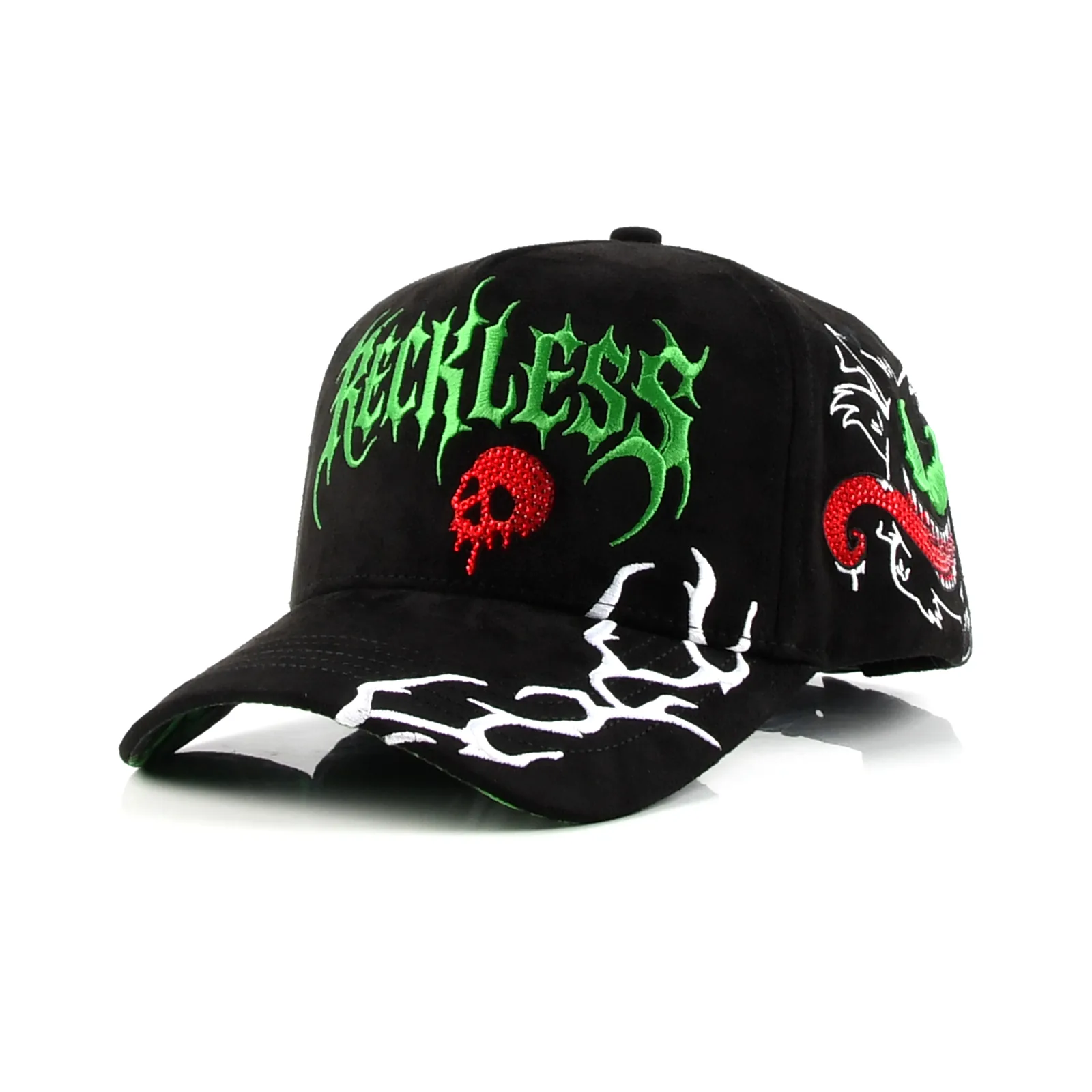
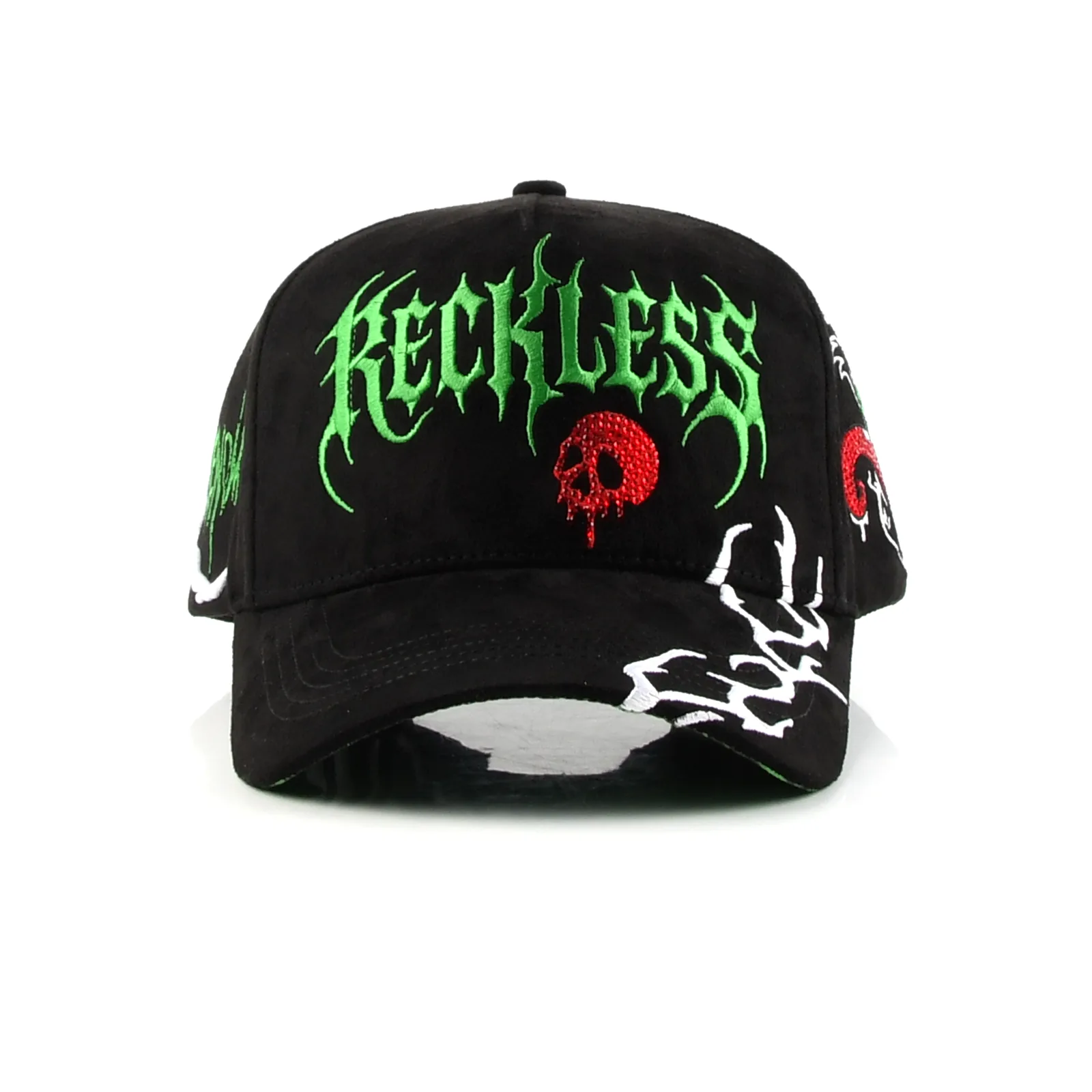
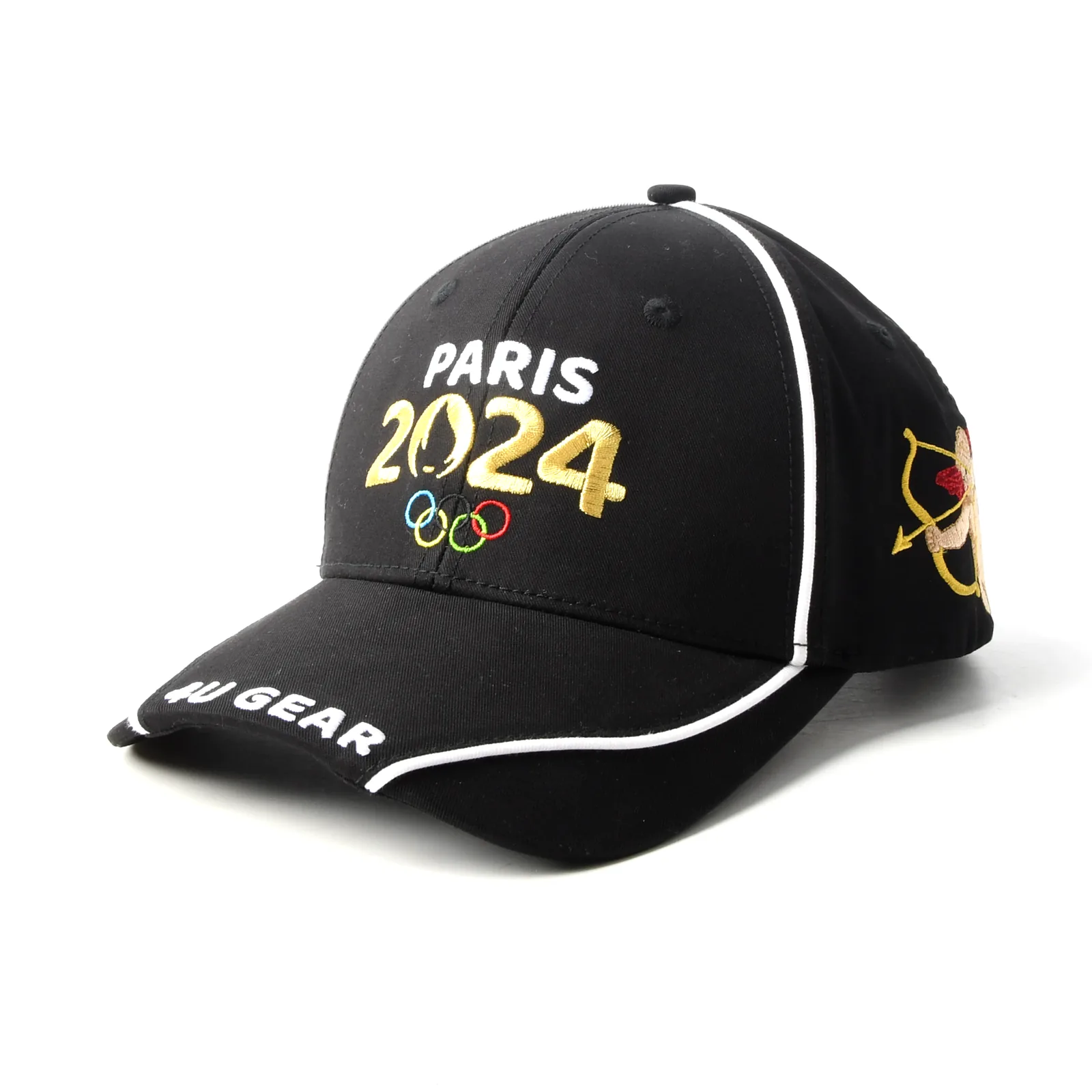
Use a five-part gate before artwork, product copy or a QR landing page is approved. The 4UGEAR custom hat tech-pack guide is a useful internal route for keeping fixed decisions and open questions together; the custom hat sampling workflow can help assign the evidence check to a sample or approval round.
- Eligibility: obtain the current program status, participating Field Partner or merchant, and applicable claim-framework version.
- Identity: record bale or lot IDs, mill, yarn or fabric route, and whether material is segregated or controlled-blended.
- Accounting: reconcile purchase, conversion, blend percentage and finished-order quantities; retain invoices and transaction records.
- Scope: map the evidence to the exact fabric, colorway, hat panel, garment style and purchase order. A collection name is not a traceability key.
- Language: obtain written approval for label, hangtag, web, QR and sales-deck wording, with the required explanation and qualification.
Pause the claim if one gate is missing. You can still describe a sourcing inquiry or material specification internally, but do not turn an incomplete file into a consumer-facing environmental promise.
What buyers should request from suppliers now
- The current U.S. Regen eligibility and claims-framework documents, including version or effective date.
- Field Partner, merchant or grower-program identification without claiming a specific farm for your product unless the framework permits it.
- Bale or lot IDs and the link between those IDs, mill receipt, yarn, fabric and order quantity.
- Segregation or controlled-blending records, including the applicable tracked percentage and rounding rule.
- Metric definitions, baselines, units, time windows and boundaries for any environmental number used in internal or external communication.
- Draft consumer copy and the required explanation, reviewed by the program or qualified claims counsel where appropriate.
Decision rule: evidence first, wording second, artwork last. If the record proves only program-level outcomes, publish only program-level wording allowed by the framework.
FAQ for sourcing and product teams
Can the 20% figure be printed on a T-shirt or cap?
Not as a product carbon-footprint reduction. It is a reported program comparison against a stated baseline. A product claim requires the framework’s eligible wording and evidence; the pilot percentage cannot be attached to an individual SKU by assumption.
Does bale traceability prove every finished product claim?
No. It connects eligible cotton to a bale and supports chain-of-custody work. Buyers still need mill, conversion, blend, quantity and product-allocation records, plus approved claim language.
Is U.S. Regen cotton recycled cotton?
No. Regenerative production and recycled content are different attributes. A recycled claim needs its own input and chain-of-custody evidence.
What should a custom hat buyer put in the tech pack?
Put the material version, claim status, evidence owner, bale or lot reference, blend route, required wording and approval date beside the fabric and trim decisions. Do not treat a generic sustainability note as a traceability record.
Bottom line for 2026 sourcing
The first U.S. Regen outcomes are meaningful as measured, field-level pilot evidence, and the program says scaled availability is beginning with the 2026 crop. For 4UGEAR buyers developing custom apparel or headwear, the commercial opportunity is disciplined verification: ask for the record that connects eligible cotton to the material and order, understand the baseline behind each metric, and use only language permitted by the current claims framework. That protects the buyer, supplier and end customer from turning credible field evidence into an unsupported SKU promise.
Referenced external resources
- WWD wwd.com