


Acne Studios x Hussein Chalayan: What the 12-Piece Capsule Means for Streetwear Development
Acne Studios and Hussein Chalayan revisit archival design through a 12-piece capsule, offering streetwear buyers a practical lens on patchwork denim, jersey, leather and asymmetric construction.
Acne Studios and Hussein Chalayan have framed a 12-piece capsule around a return to Chalayan's influential early-2000s design language. For streetwear buyers, the useful lesson is not to copy the looks. It is to turn patchwork denim, jersey, leather and asymmetric construction into development questions that can be sampled, costed and risk-controlled.
Buyer judgment: Treat the collaboration as a reference for capsule architecture and material contrast, not as a ready-made production specification.
What the collaboration actually presents
Hypebeast describes a 12-piece capsule that revisits early-2000s archival references through experimental denim, jersey and leather constructions. The official collection page shows concrete examples including a patchwork denim shirt, an asymmetric denim vest, layered cotton pieces, asymmetric denim styles and a reworked Camero handbag. It also places the work in a V&A East Storehouse archival context and presents a limited-edition book.
Those sources establish the collaboration's product language and presentation. They do not establish consumer demand, sales performance, third-party production cost or supplier availability. Buyers can review the official collection page and the independent report, but should not treat editorial imagery as a quotation basis.
Why streetwear buyers should care
A 12-piece scope is a useful capsule example: a small number of products can carry a material, silhouette and narrative system without diluting the idea across too many similar SKUs. For a buyer, that suggests choosing one hero construction first, then using two or three lower-risk styles to carry the color, fabric or decoration language.
Archival reference is not proof that the wider streetwear market has accepted a trend. The sourcing decision still depends on the target customer, price band, delivery window, tolerance and quantity. The news value is the product logic it exposes, not a ready-made market forecast.
Buyer takeaway: Lock one structural or material line for the capsule before deciding whether it should extend into headwear, outerwear or accessories.
What the materials and structures signal
Patchwork denim is not simply a request for more panels. The brief needs the panel map, fabric weights, wash variation and seam tolerance. When jersey or other stretch fabric sits next to denim or leather, confirm shrinkage, recovery, edge finishing and garment flatness early; otherwise the visual idea becomes repeated rework during sampling.
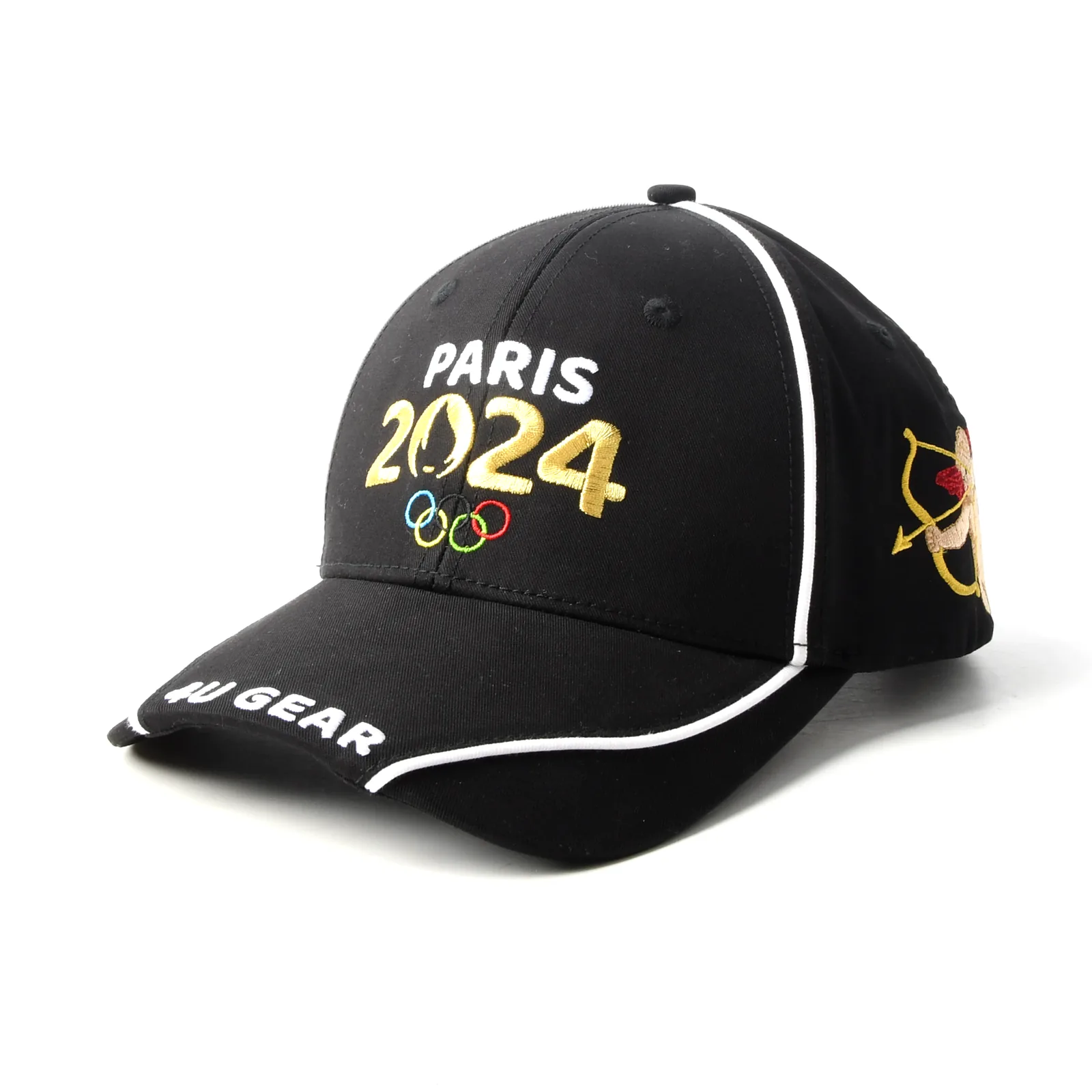
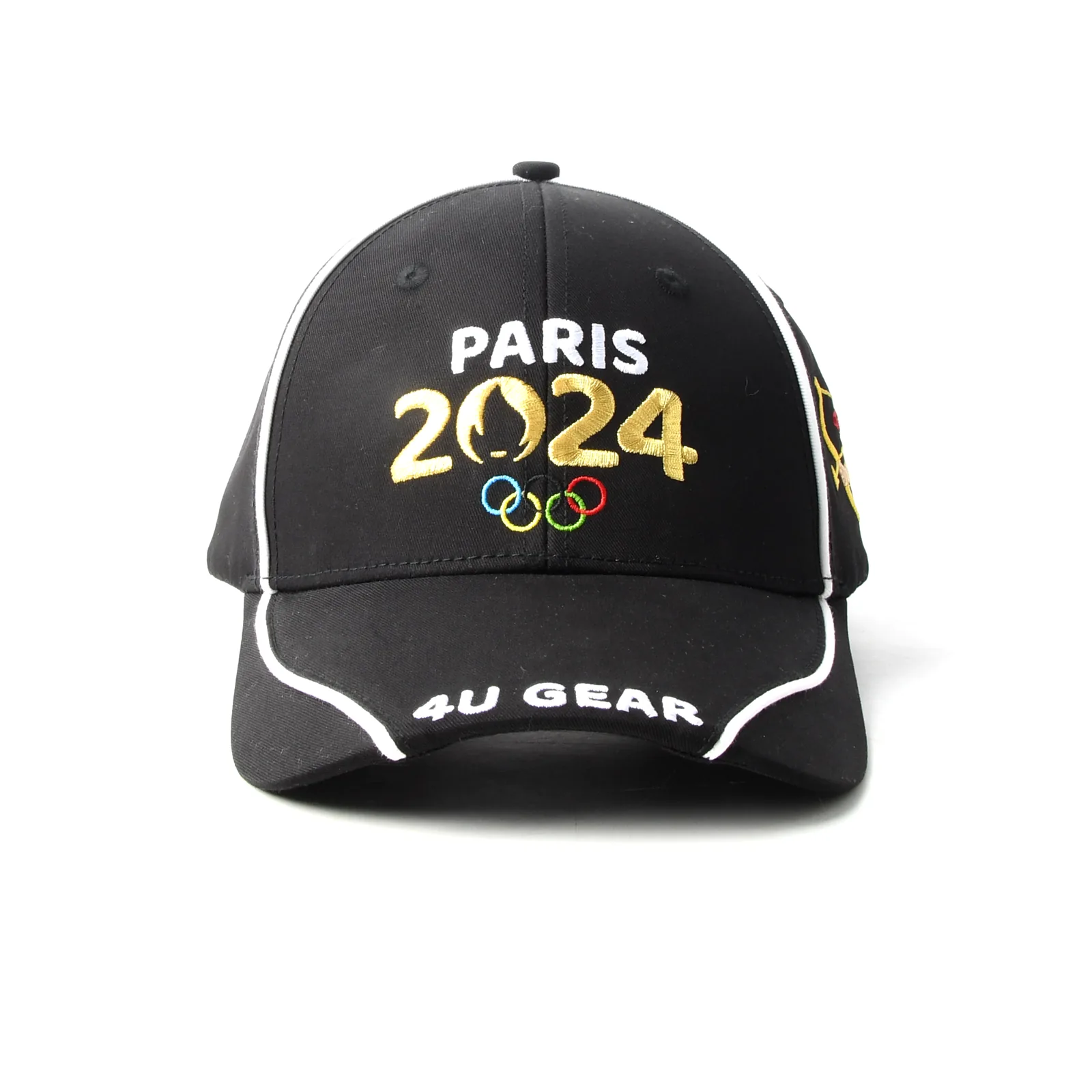
Asymmetry can create recognition, but it adds pattern, cutting, placement and inspection requirements. If a brand wants to carry that language into headwear, start by translating it into a panel join, brim proportion, patch position or controlled decoration rather than copying a garment's complex structure directly.
Buyer takeaway: Every visual signature should map to a measurable requirement such as panel width, fabric weight, decoration position or allowed deviation.
Turn the capsule into a development brief
A useful brief has four layers: hero idea, material system, executable craft and validation order. The hero idea defines recognition; the material system defines handfeel and cost variables; the craft requirements define supplier capability; and the validation order determines which risks need answers before the first sample.
| Development layer | Question to settle first | Control action |
|---|---|---|
| Hero idea | Does the range need one core structure or several complex details at once? | Choose one hero style before spreading the first SKU drop. |
| Material system | Do denim, jersey, leather and trims each have a defined role? | Record weight, shrinkage, handfeel and color-match requirements separately. |
| Craft execution | Can patchwork, asymmetry, patches or finishing be repeated consistently? | Put dimensions, placement and tolerance in the tech pack, not only in reference images. |
| Commercial validation | Do quantity, price band and delivery window support the complexity? | Test the highest-risk craft first, then expand the capsule. |
Questions to ask before sampling
- Which details are non-negotiable brand signatures, and which can use a more stable production alternative?
- Do joined panels require the same fabric lot, wash effect and directional layout?
- How will asymmetric patterns, leather edges and jersey joins be measured and inspected?
- Which shrinkage, colorfastness, stretch recovery and abrasion checks belong in the sample stage?
- If the first sample misses the target cost, should the team adjust material, the number of structures or the decoration process first?
Buyer takeaway: Separate complexity into material, structure, decoration and finishing so the supplier can respond with comparable options.
How to control capsule rollout risk
The common mistake is to read this kind of collaboration as proof that more complexity always means more design value. A safer range architecture has one hero style carrying the archival or structural memory, several core styles extending the same material language, and a small number of easier-to-deliver basics. That keeps the idea visible while giving quantity and lead time some room.
For headwear or streetwear accessories, validate complexity locally first. Test a joined panel, dimensional patch, special wash or mixed-material treatment as one variable before combining them. Do not promise a fixed cost, MOQ or bulk lead time before the first-sample evidence exists.
Buyer takeaway: Manage concept styles and commercial styles separately; validate the most failure-prone operation before setting the capsule size.
Questions buyers commonly ask
Does this collaboration prove patchwork and asymmetry are becoming mainstream streetwear?
No. It documents one specific collaboration and its material and structural language. Wider market fit still needs to be tested against the target customer, price and product performance.
Can a buyer copy the featured pieces directly?
No. Extract the material relationship, construction logic and range hierarchy, then rebuild the idea around your own brand identity and producible craft.
Which product should carry the first complex operation?
Choose one hero style that represents the idea and makes the risk measurable. A headwear program can begin with one panel join, patch placement or finishing variable instead of stacking every detail at once.
How can 4UGEAR support this type of development?
Start with the product structure, material mix, quantity, sample checks and delivery window, then stage OEM or ODM sampling according to the complexity that can be executed consistently.
Next step
To turn a material-led capsule idea into an executable program, use 4UGEAR headwear OEM services to organize product, quantity, development and delivery requirements. For patchwork, dimensional decoration or mixed-material construction, review 4UGEAR complex headwear craftsmanship capabilities and convert the visual brief into sample checkpoints.
Referenced external resources
- official collection page acnestudios.com
- independent report hypebeast.com