


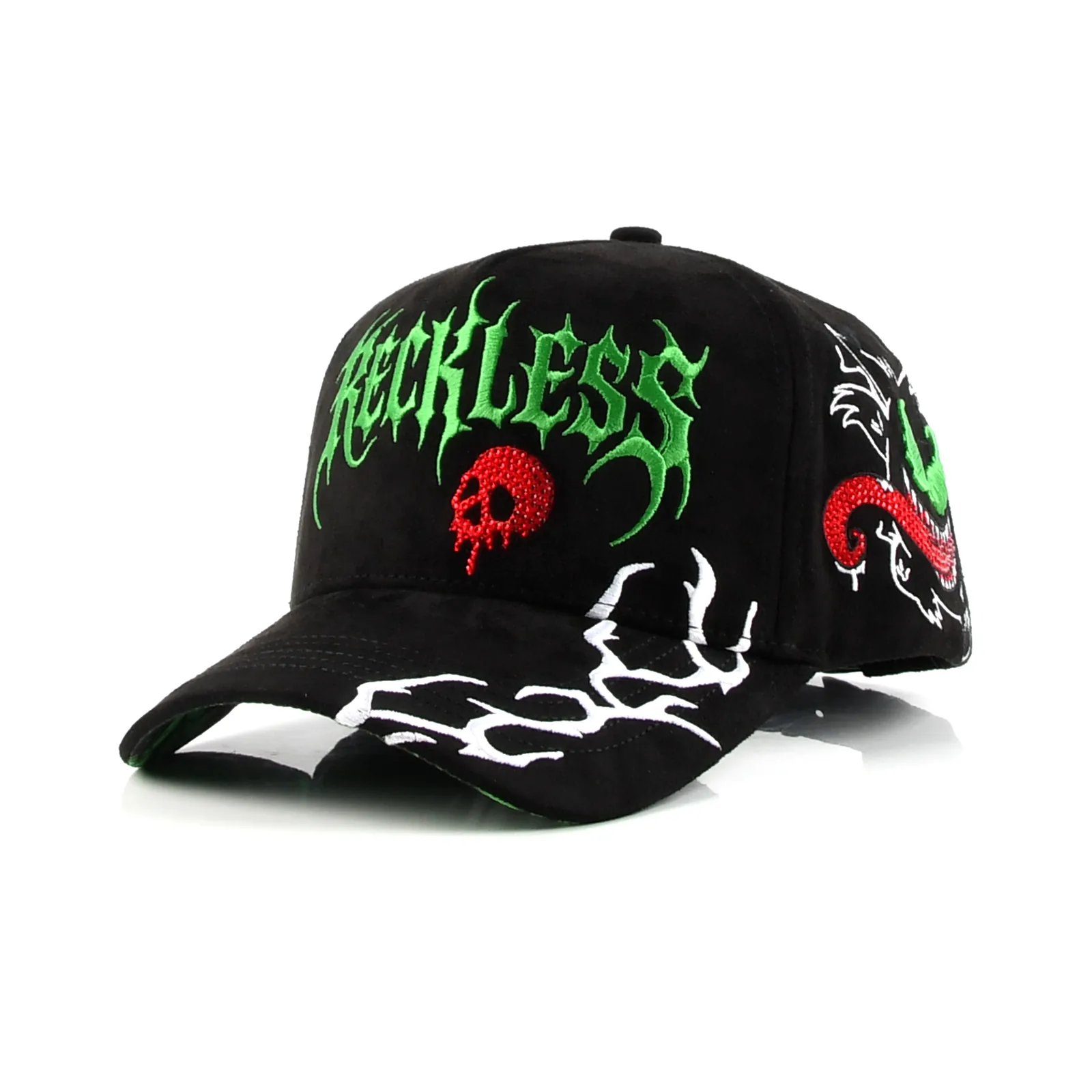
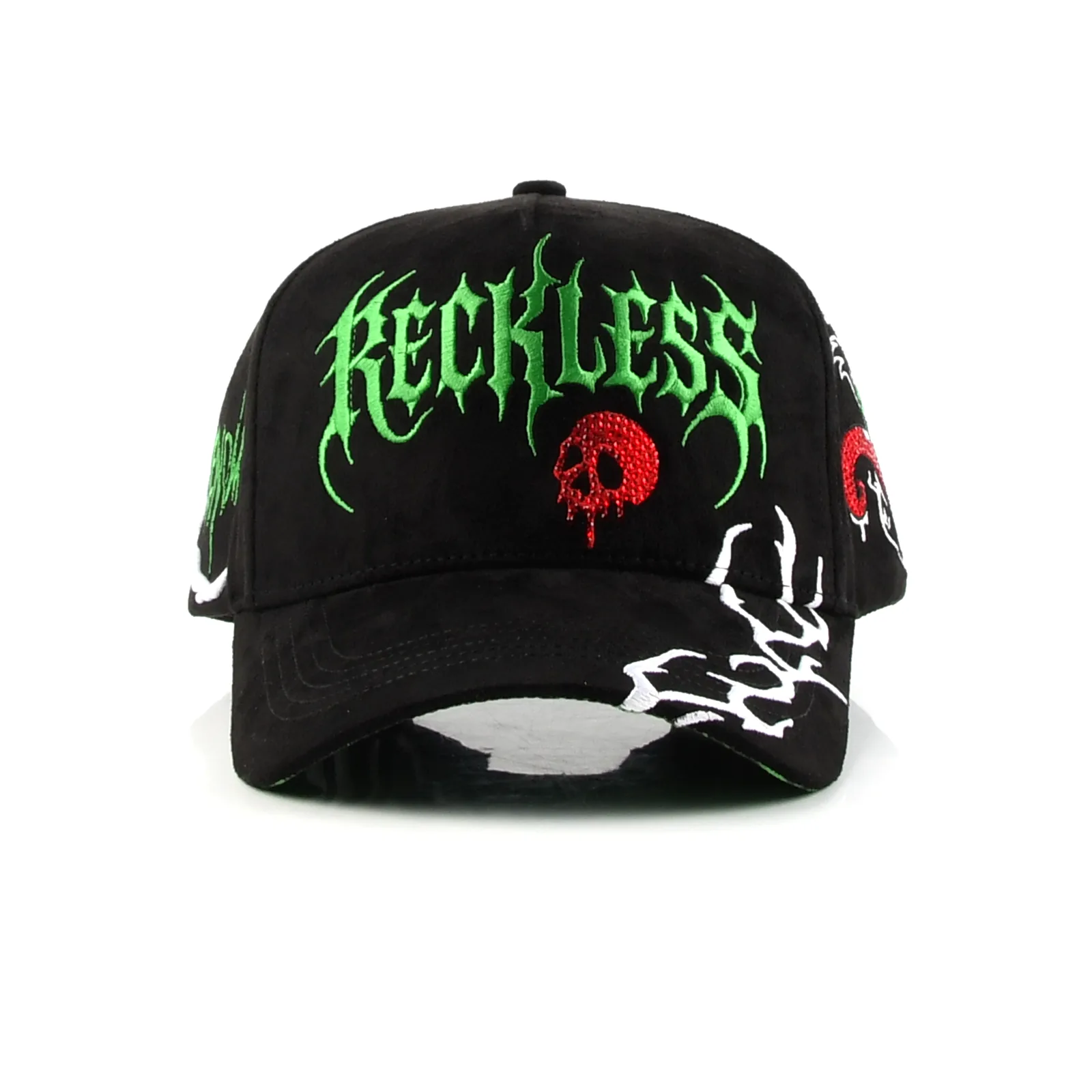
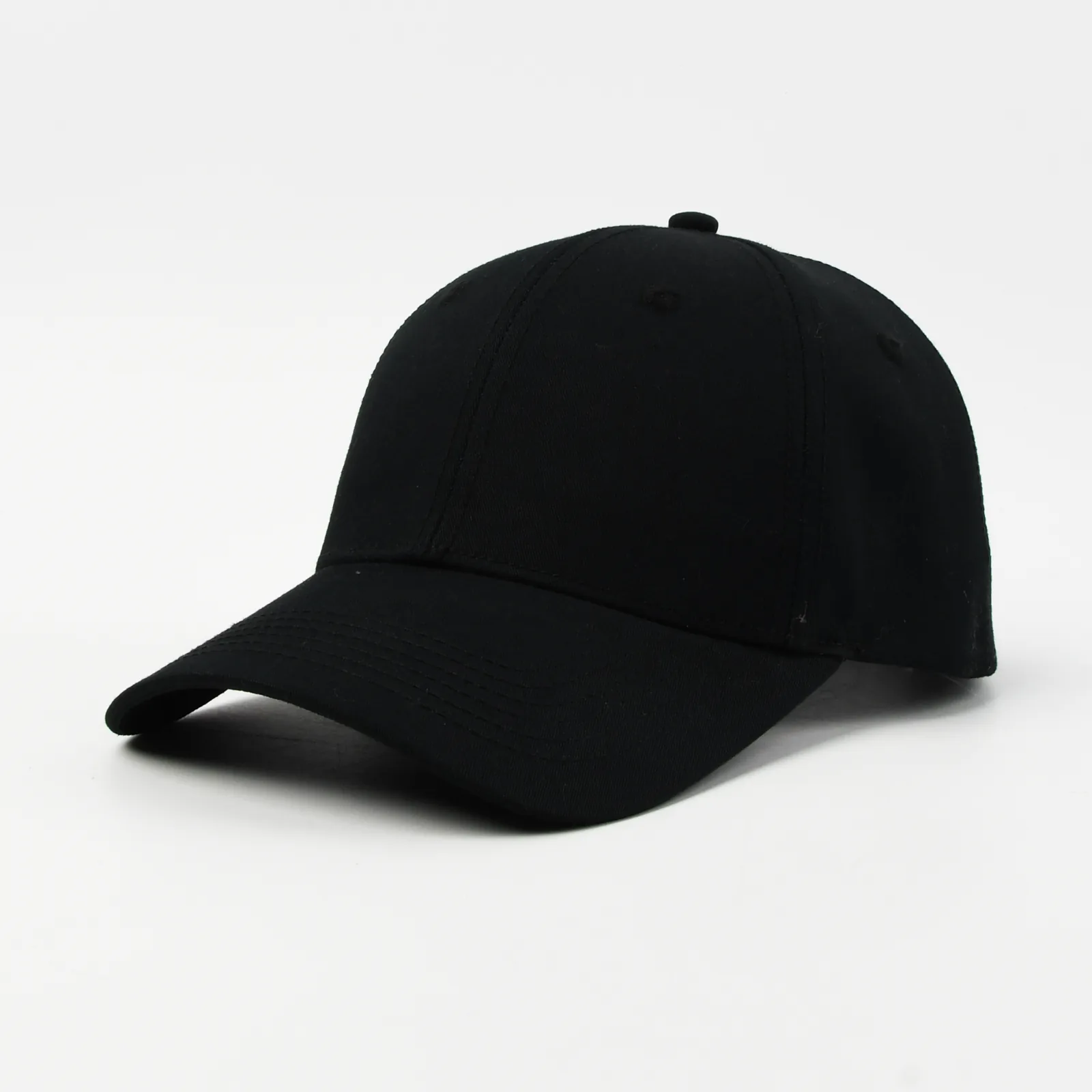
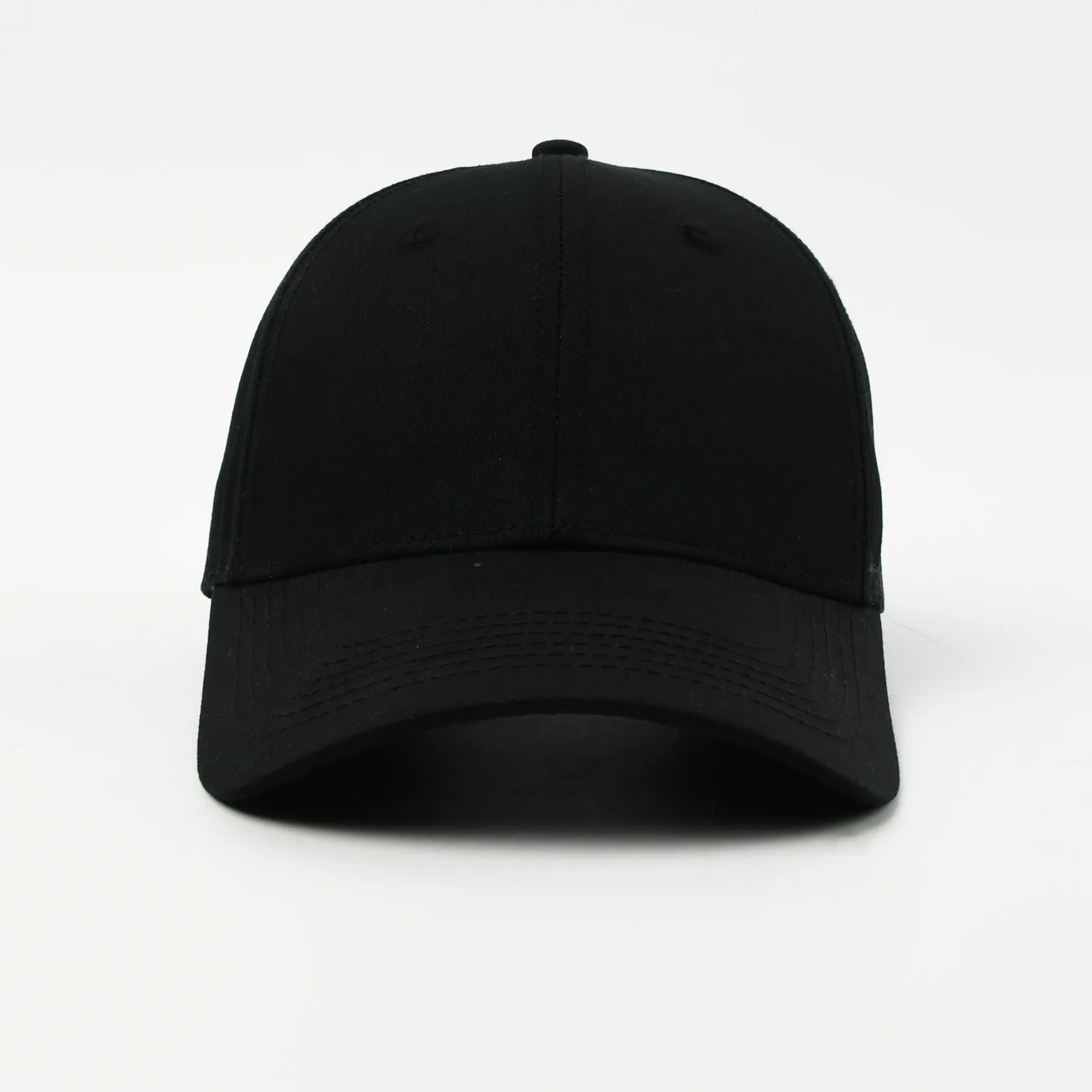
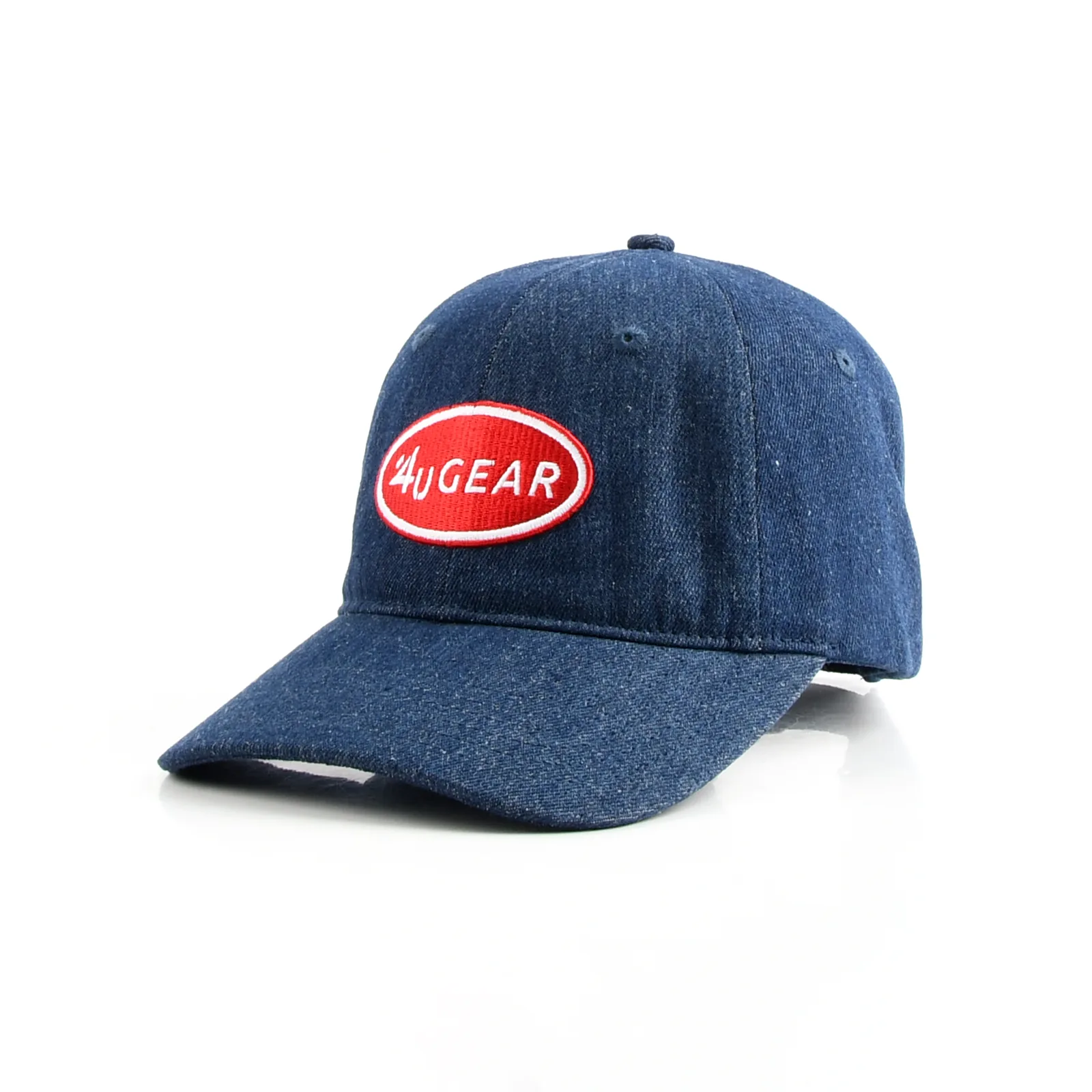
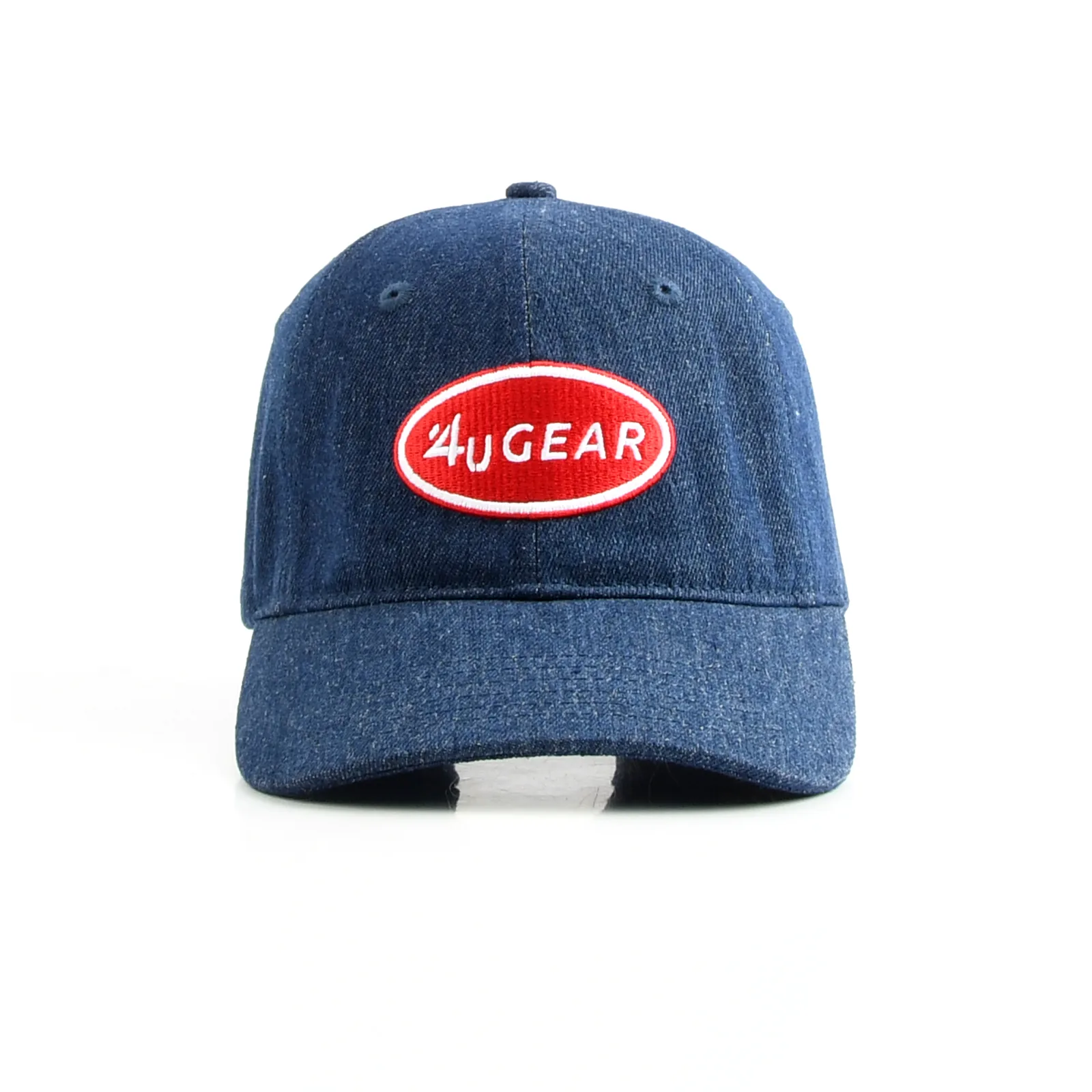
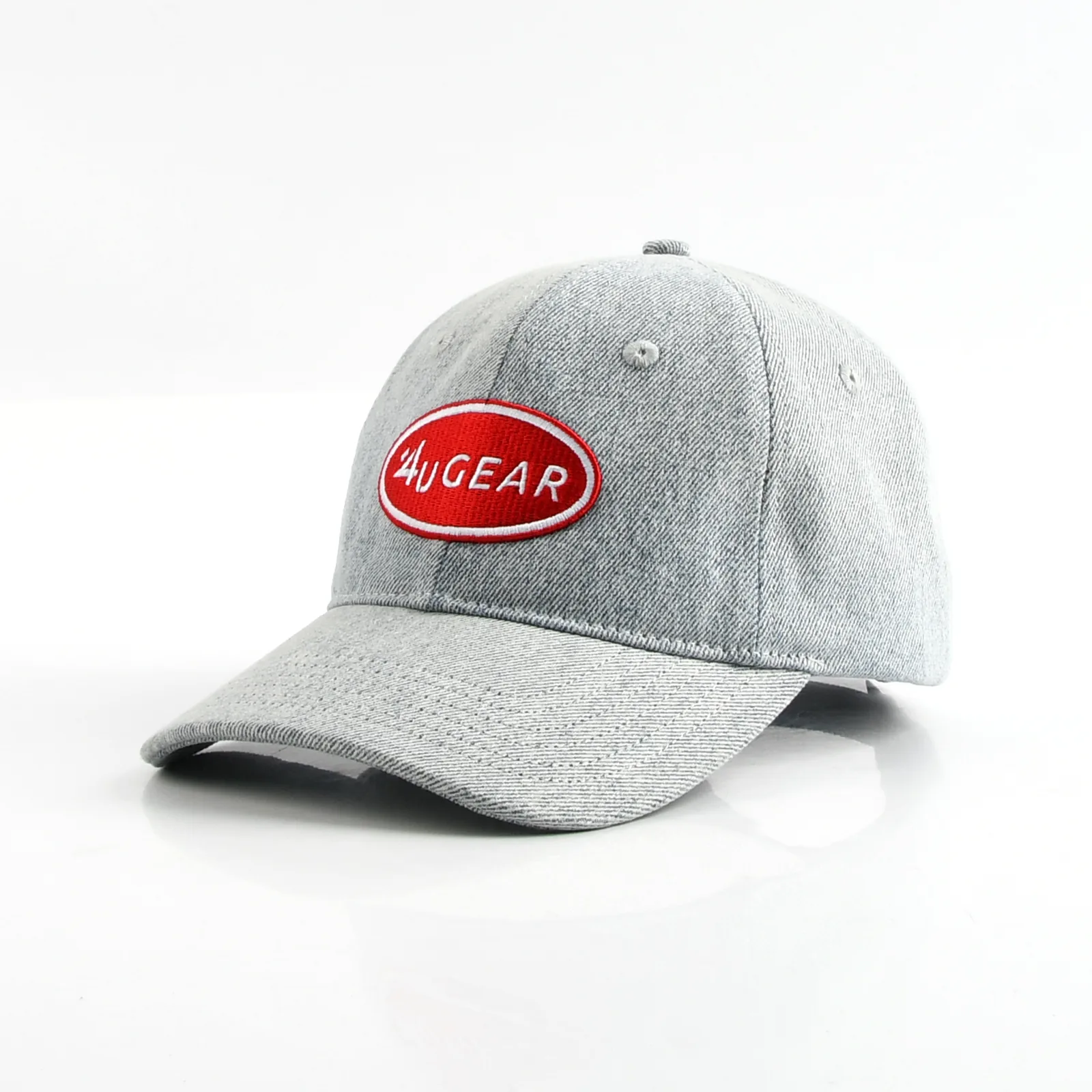
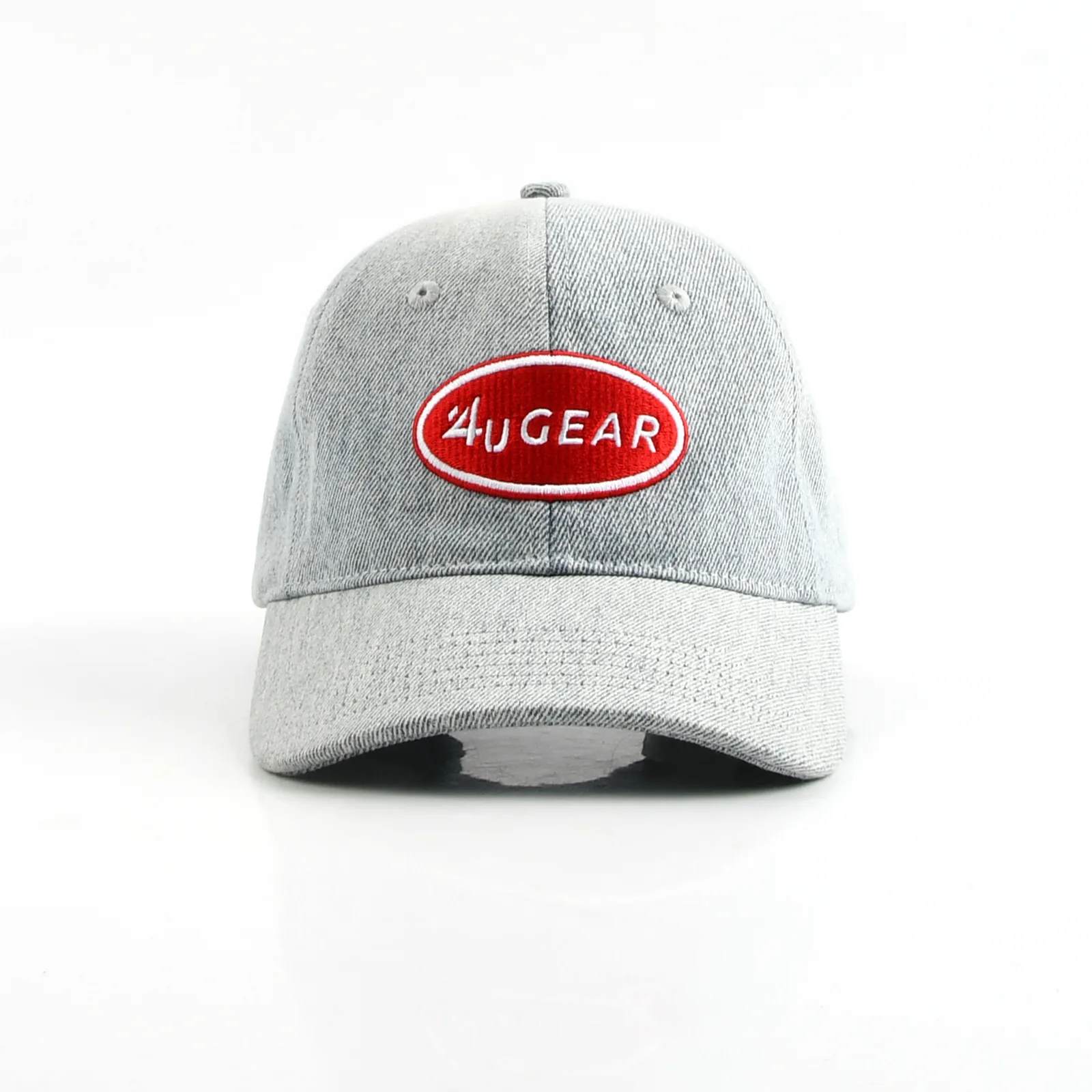
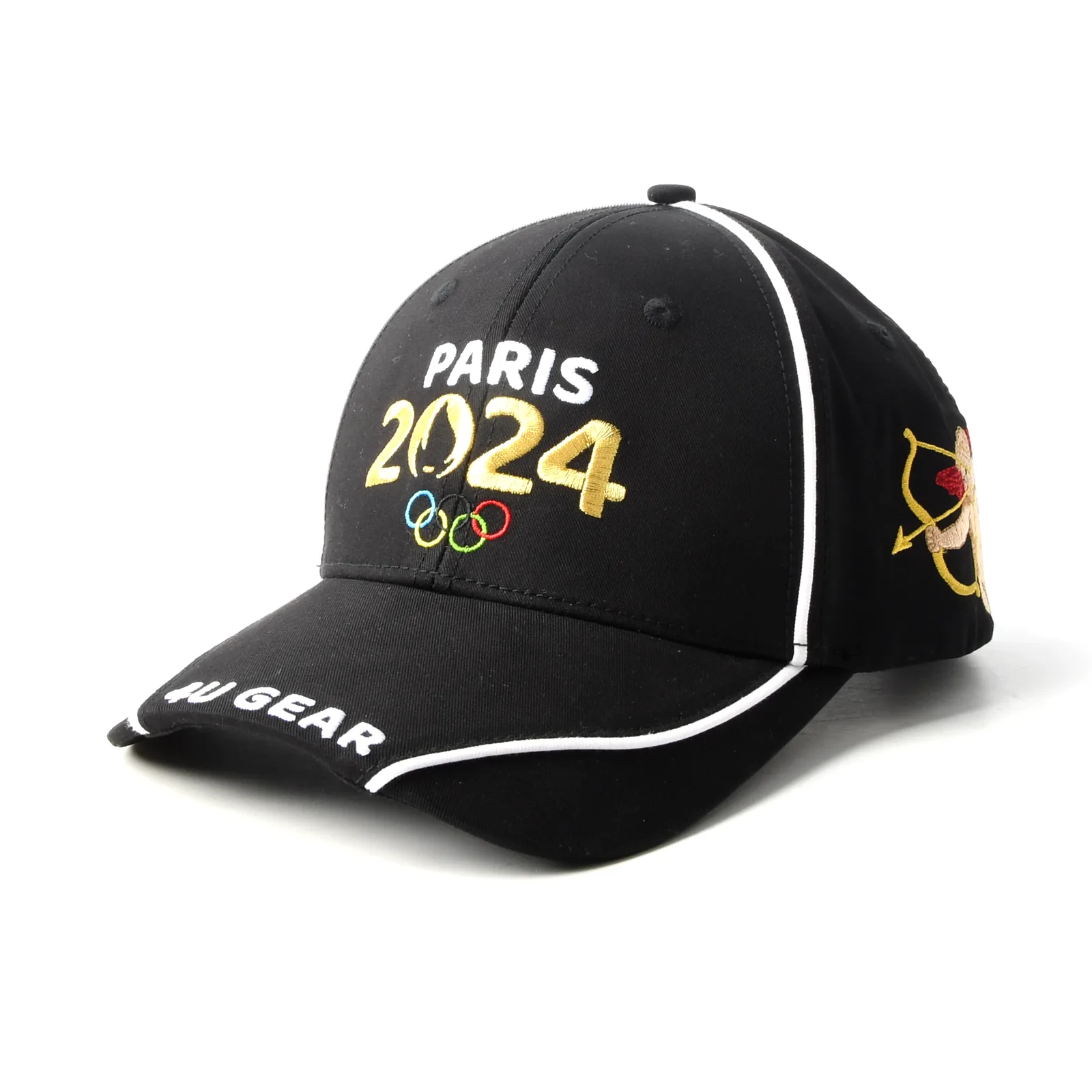
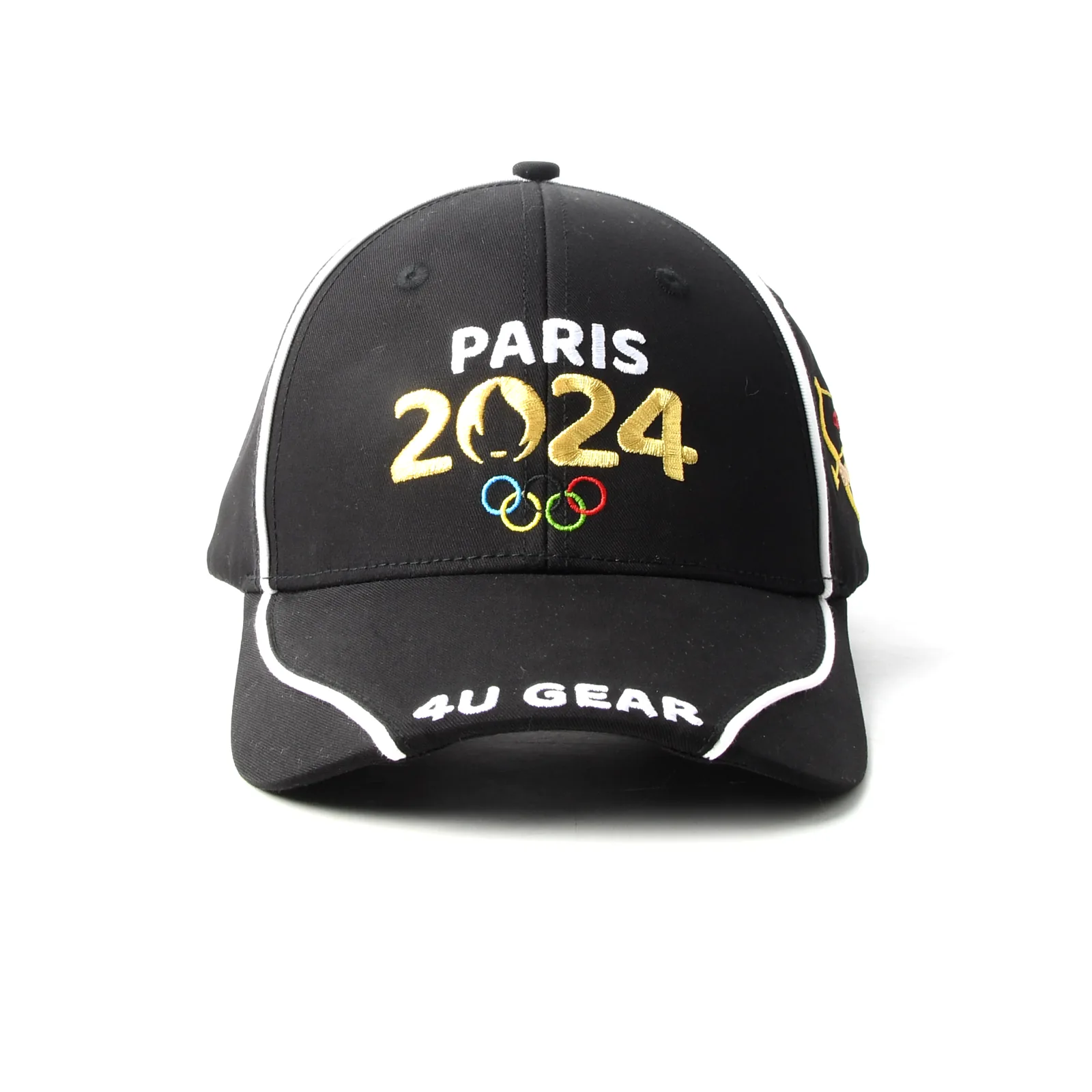
Fabric and Material Sourcing
This page explains how we review fabrics and materials against handfeel, structure, craft compatibility, sourcing stability, and repeat production needs.
Material decisions affect much more than the first impression of a cap. Fabric, lining, sweatband, buckram, labels, trims, and logo-support materials all influence how the cap feels, how it holds shape, how decoration behaves, and how stable production can remain after the sample stage.
That is why we do not review sourcing only from a swatch or one attractive sample. We usually look at handfeel, structure, sewing behavior, decoration response, and supply consistency together, because a material that looks fine in isolation can still create problems later in washing, packing, shipment, or repeat orders.
What we usually review when choosing fabrics and materials
- Whether the handfeel, weight, and structure actually support the intended product direction instead of only matching a visual reference.
- Whether the fabric and supporting materials are compatible with embroidery, printing, washing, metal details, or other intended craft routes.
- Whether sourcing stability is strong enough to support sample approval, bulk production, and reorder continuity without forcing unnecessary changes later.
Why sourcing has to be judged in real use conditions
A material decision only starts on the swatch book. The more important question is what happens after cutting, sewing, decorating, packing, and shipping. Some materials lose shape, some react poorly to certain crafts, and some become hard to maintain consistently across repeat production. That is why we usually review sourcing in terms of product performance and program stability, not only appearance.
Why buyers should treat this as a development decision
Good sourcing supports a stronger sample, steadier quality, and cleaner reorder management. Weak sourcing tends to create hidden problems that only show up later, when changes become more expensive. Buyers who get this layer right early usually protect both product feel and production continuity.
Related pages
Want to continue the discussion?
Send us your brief, target quantity, timing, or reference files and we can review the next step together. Contact 4UGEAR.