


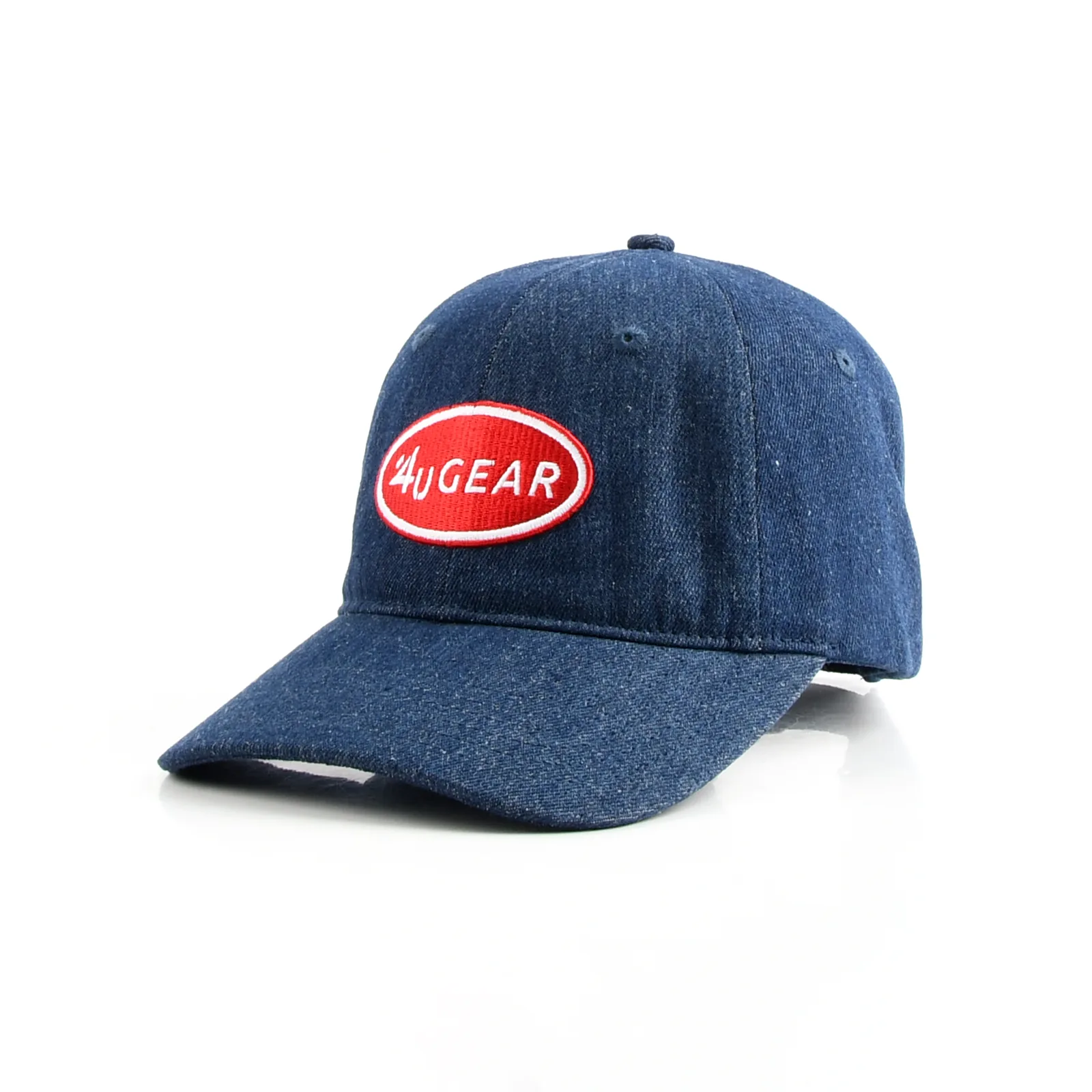
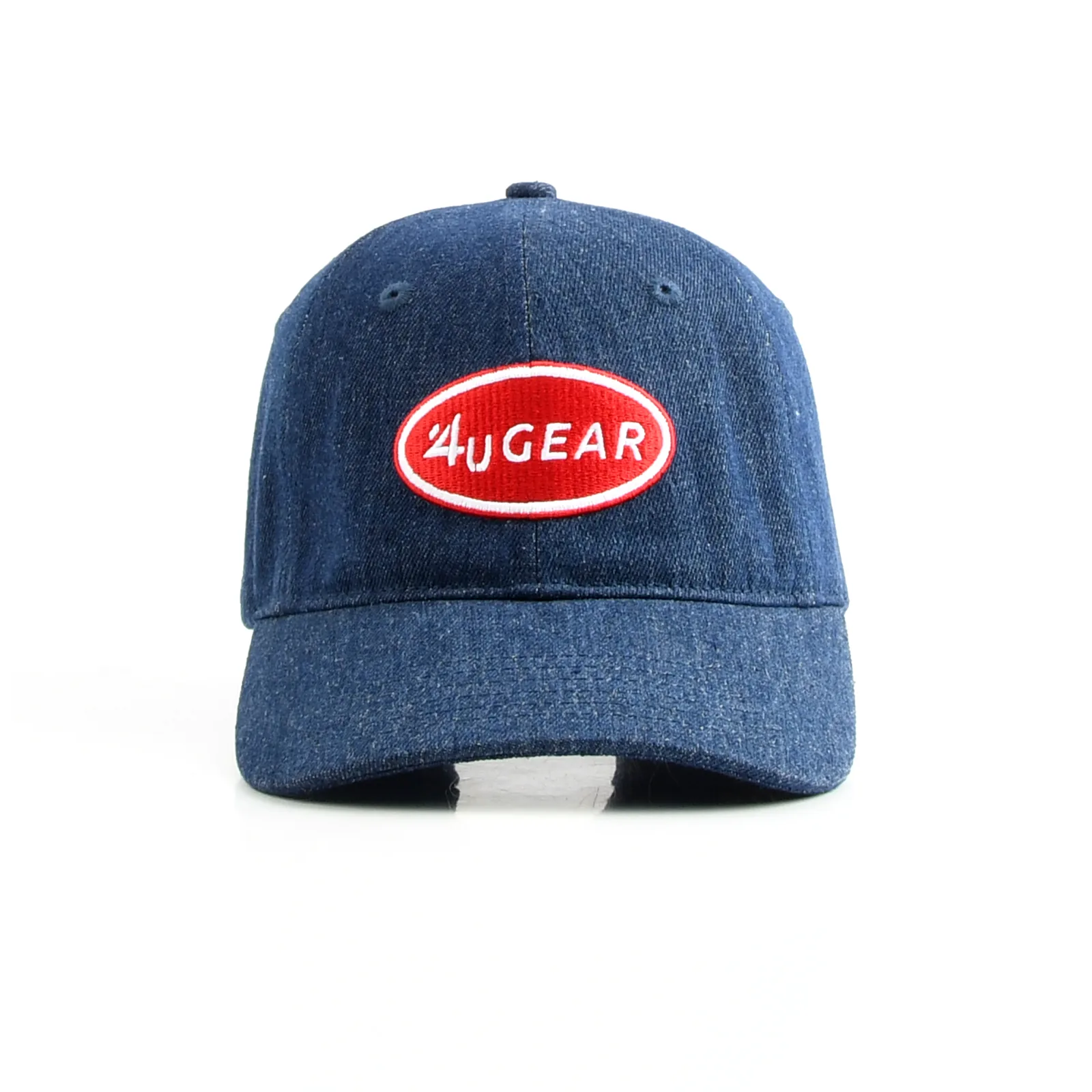
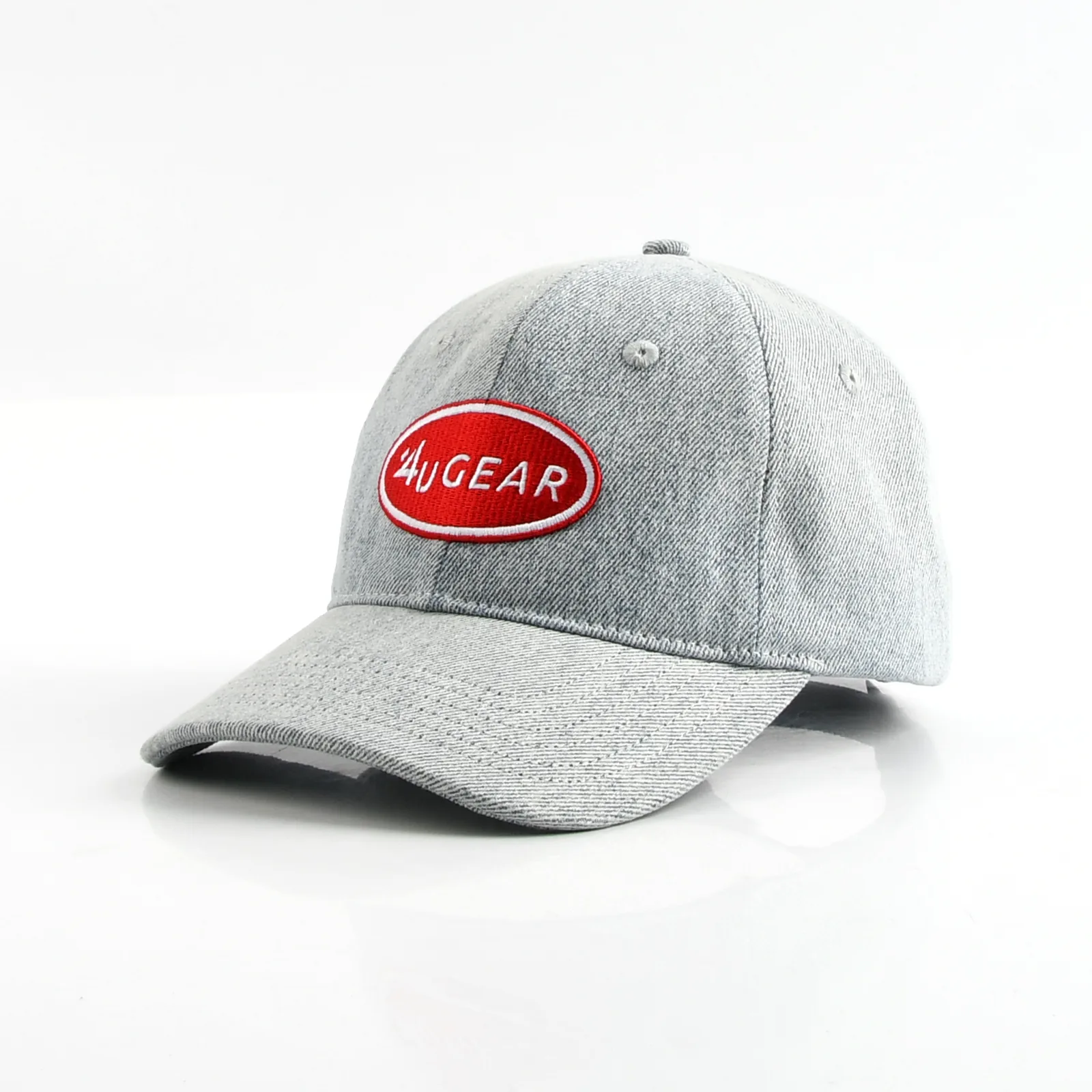
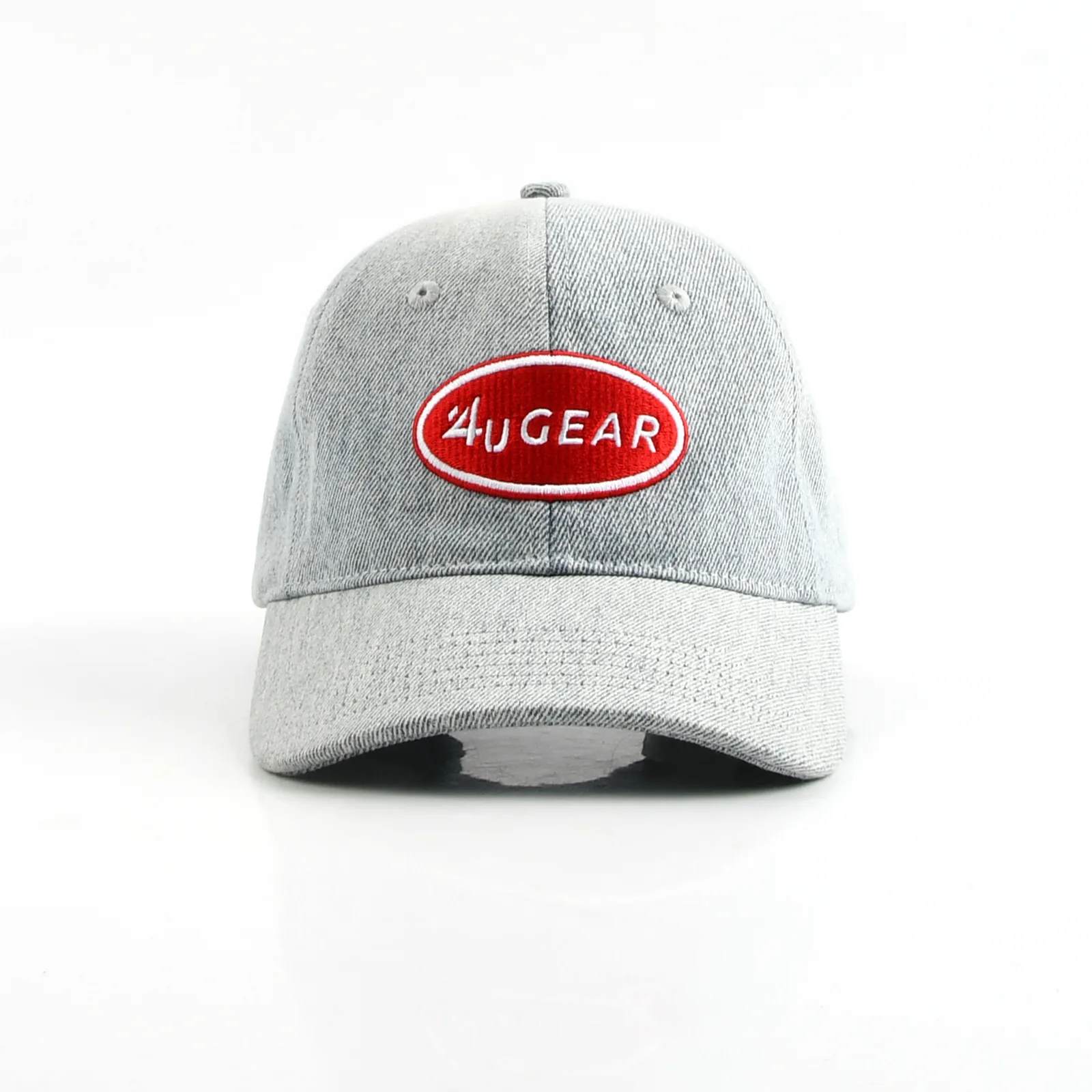
How to Avoid Trucker Hat Fit Mismatch Before Sampling
A buyer-facing guide to locking profile, crown, panel, and closure decisions before a custom trucker hat sample starts.
Buyers can avoid most trucker hat fit mismatch before sampling if they lock four variables early: profile, crown height, front-panel structure, and closure range. The common mistake is treating a trucker hat as one generic shape, then discovering during sample review that the cap sits too tall, feels too shallow, or carries the logo differently than expected.
Quick take: If the cap has to land cleanly on first sample, the brief should describe the fit direction before color and decoration details. A clear note such as low profile, mid profile, or higher retro profile is usually more useful than saying only "trucker hat".
What usually causes fit mismatch before sampling
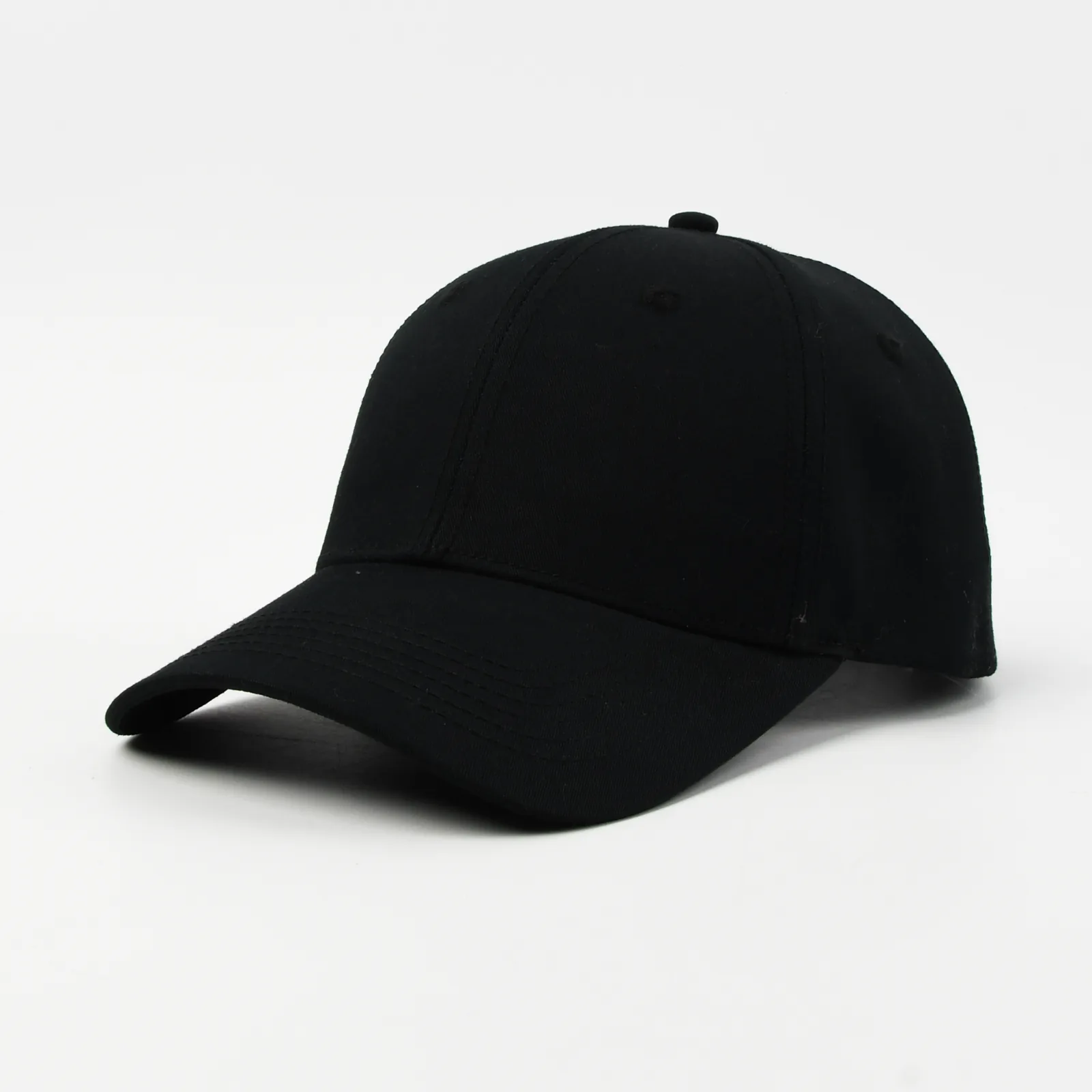
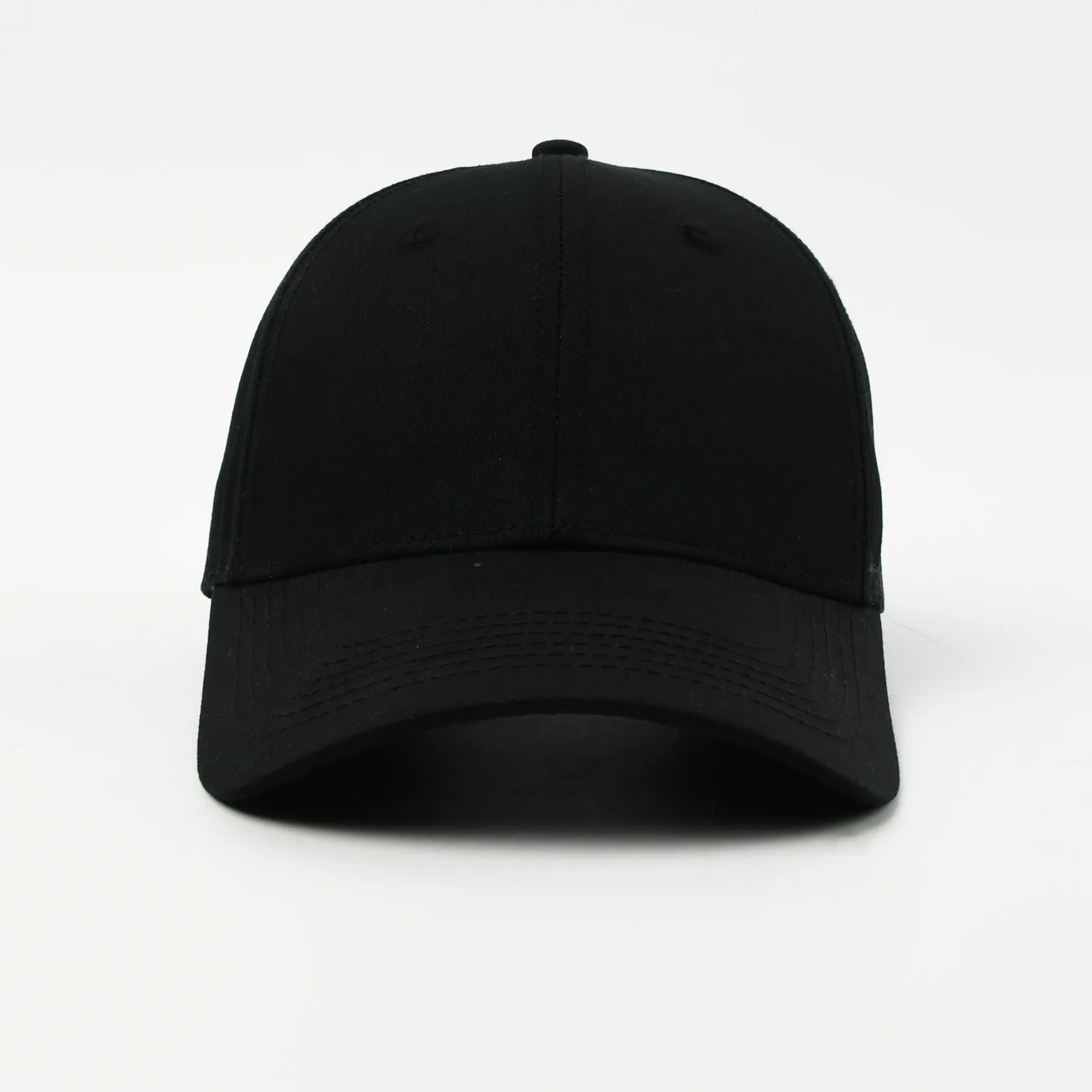
Fit mismatch usually starts because the buyer and factory are imagining different cap bodies. One side may picture a lower, closer silhouette for everyday retail. The other may assume a taller front with a stronger foam or structured presentation. Both are still trucker hats, but they do not sit on the head the same way.
Official product specs show why this matters. The Richardson 112 is a structured six-panel mid-profile trucker with a snapback range of 7 to 7 3/4. Flexfit's 6601 is a low-profile trucker with a 3 1/4-inch crown, while the 6006 classic trucker is a high-profile five-panel cap with a 4-inch crown. Those are meaningful shape differences, not small spec details.
Takeaway: The first fit problem is often not poor execution. It is a vague brief that leaves too much room between "trucker" as a category and the actual silhouette the buyer wants.
Which trucker hat variables should buyers lock first
Before the first sample, buyers should name the trucker shape in practical terms instead of style mood alone. That means deciding whether the cap should feel lower and closer, balanced and easy to retail, or taller and more retro. It also means clarifying whether the front should be five-panel or six-panel, how much front structure is acceptable, and what kind of closure range the selling market needs.
| Variable | Why it matters | What to lock in the brief |
|---|---|---|
| Profile | Changes how high or close the cap sits on the head | Low, mid, or higher retro profile |
| Front panel | Affects logo readability and front-shape feel | Five-panel or six-panel, structured or softer |
| Crown height | Changes visual attitude and wearer comfort | Target look reference plus acceptable crown feel |
| Closure range | Affects practical fit across buyer sizes | Snapback expectation and target size tolerance |
For Mexico retail or U.S.-facing brand programs, these decisions matter before decoration review because embroidery scale, patch proportion, and front logo placement all behave differently when the crown height or panel layout changes.
Takeaway: Buyers should lock the cap body first, then let logo size, decoration route, and color planning follow that shape.
How this changes the sample brief
A stronger sample brief does not need to be long. It needs to be specific. Instead of asking for a trucker hat sample with a logo, buyers get better results when they state the target market, intended fit direction, preferred silhouette reference, panel construction, and what the first sample must confirm.
That is why pages like What We Need to Start Sampling and How Custom Hat Sampling Works matter in the same decision path. A useful first sample is usually the result of a cleaner starting package, not a faster sewing start.
Takeaway: The sample should confirm one fit direction clearly. It should not try to test a low-profile retail shape and a taller retro shape at the same time.
What buyers should do next
If the project is still early, choose one trucker body direction first and collect two or three references that show the same fit logic. Then write the brief around profile, panel count, structure, closure expectation, and logo placement priority. Once those points are clear, the first sample becomes much more useful for real approval decisions instead of basic shape correction.
If the next step is preparing a cleaner development package, start with What We Need to Start Sampling. If the project is already moving into development, How Custom Hat Sampling Works is the better follow-up page.
FAQ
Why do two trucker hats in the same category fit so differently?
Because trucker hats can still differ a lot in profile, crown height, panel construction, and front structure. The category name alone does not define the real fit.
Should buyers choose decoration before the hat body?
Usually no. Decoration should follow the cap body, because logo scale and placement react differently on low, mid, and higher-profile fronts.
What is the fastest way to reduce fit risk in the first sample?
Write the brief around one target silhouette, one panel structure, and one fit direction. The clearer those three points are, the less the first sample turns into shape guesswork.
Referenced external resources
- Richardson 112 static1.squarespace.com
- 6601 flexfit.com
- 6006 classic trucker flexfit.com