


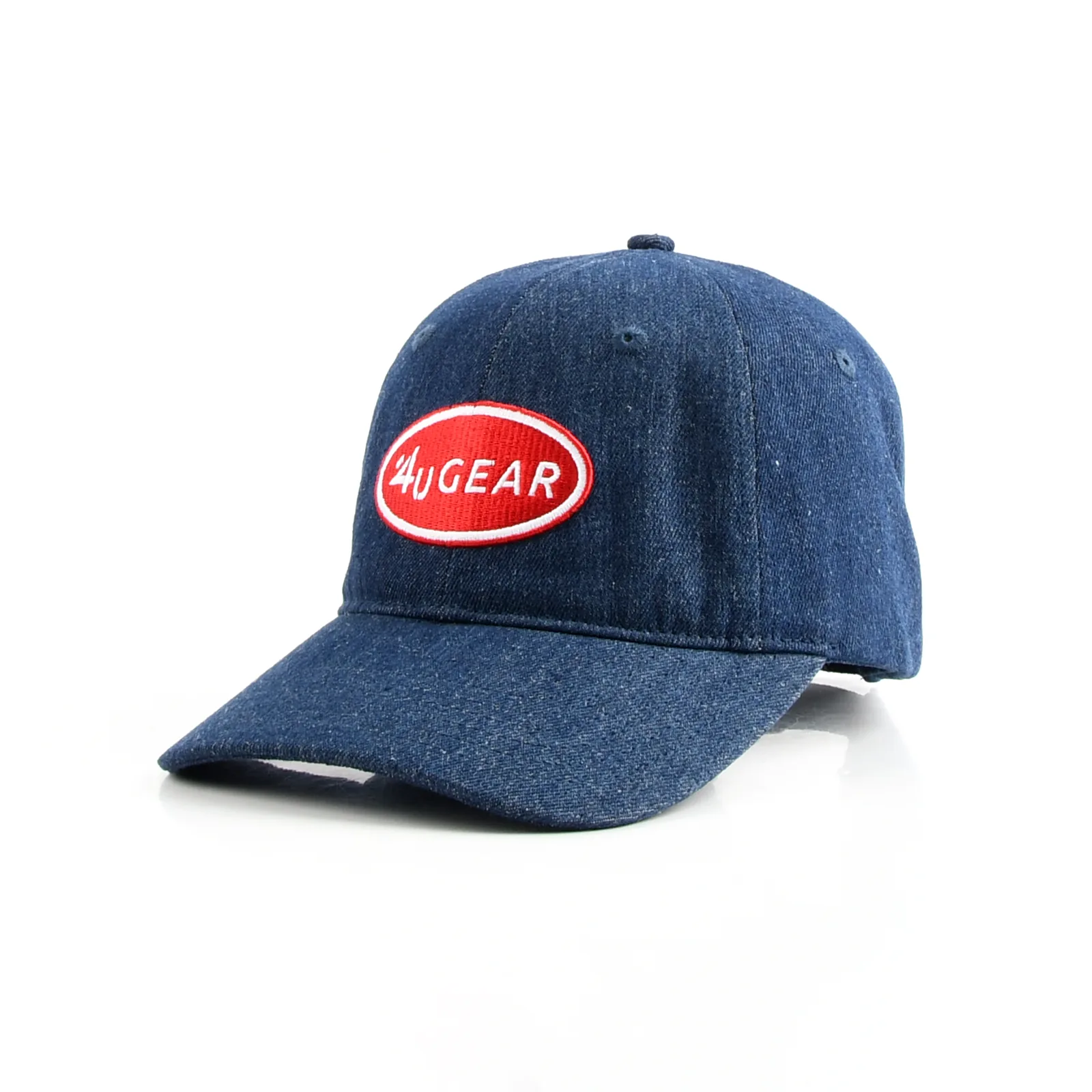
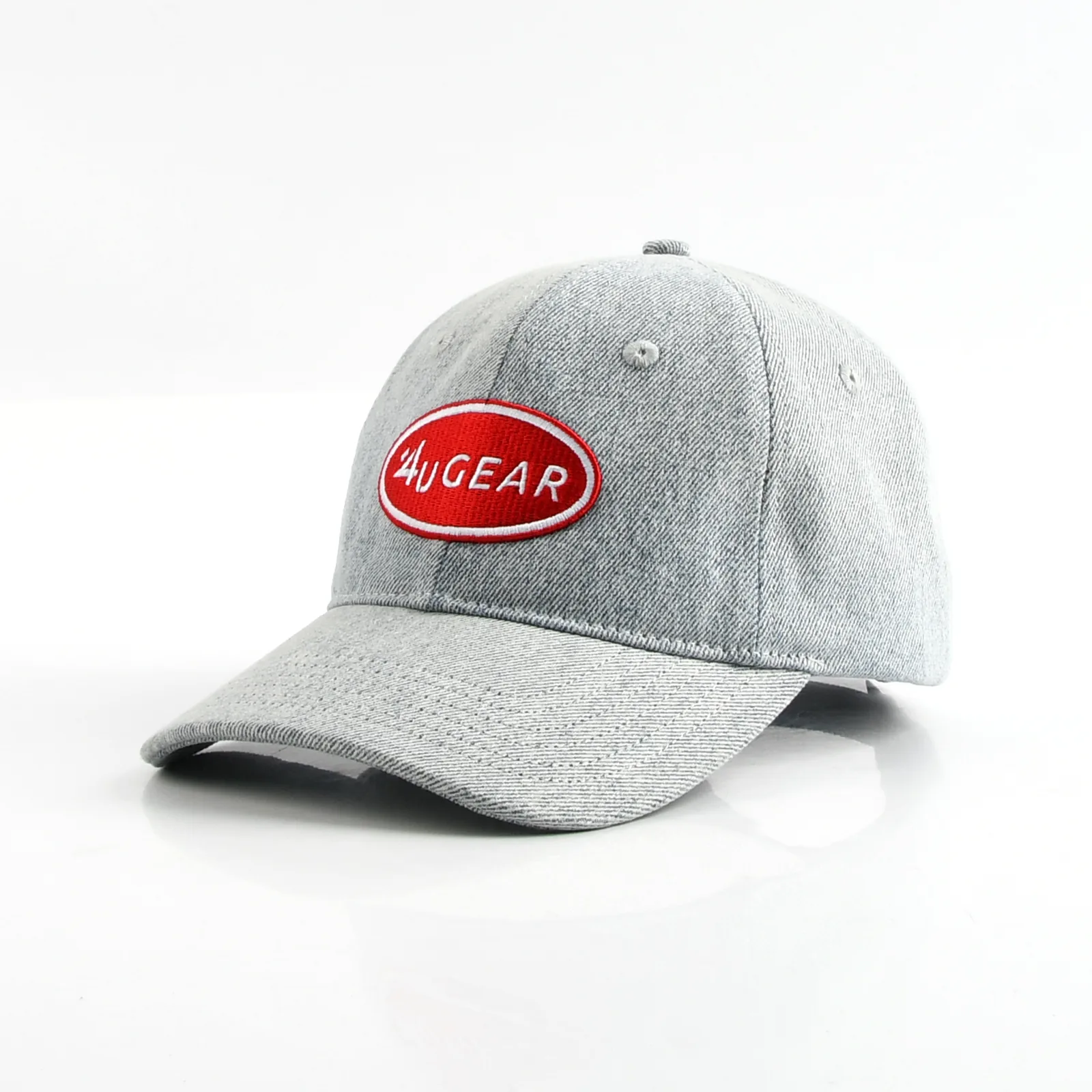
New Era and adidas expand NCAA on-field caps in 2026: what buyers should learn
A buyer-facing news analysis of the 2026 NCAA on-field cap expansion and what it signals about cap-body standardization, sampling discipline, and program consistency.
New Era and adidas expanding NCAA on-field caps to more baseball programs in 2026 matters because it shows how serious cap programs are managed at scale: the cap body, fit logic, and approval standard are locked before rollout. For brand buyers, the headline is not only that more schools will wear New Era caps. The bigger signal is that cap consistency is being treated as a program decision, not as a late decoration decision.
Quick take: Buyers should read this NCAA expansion as a reminder that cap success starts with body standardization, silhouette control, and cleaner sampling discipline. When a program needs multi-team or multi-season consistency, the body decision comes before trim-level experimentation.
Context: On February 27, 2026, New Era and adidas announced that all adidas partner schools in the Power Four conferences would receive New Era on-field caps for baseball. That is a licensed sports headline, but the practical lesson reaches far beyond college merchandise.
What happened in the 2026 NCAA cap expansion
The official announcement says New Era and adidas are expanding their NCAA baseball partnership so more adidas partner schools move into a New Era on-field cap structure in 2026. That matters because on-field headwear is one of the clearest examples of where silhouette, fit, and execution have to stay repeatable across a large visible program.
In other words, this is not only a branding announcement. It is an operations announcement. Once caps move from one-off teamwear into a wider standardized program, the construction logic behind crown shape, visor direction, front structure, and wear consistency becomes more important than small styling variation.
Takeaway: The news matters because it highlights program-wide cap standardization, not just another licensing headline.
Why private-label and OEM buyers should care
Most buyers reading this are not running NCAA licensing programs, but they face the same underlying question: when a cap has to repeat across a collection, season, region, or customer group, what exactly must stay fixed? Large sports programs answer that early. They do not leave body shape and fit logic vague and hope embroidery will solve the problem later.
That is why this story is useful for branded uniforms, retail capsules, event programs, golf outings, resort programs, and private-label launches. Once headwear needs recognizable consistency, buyers should stop treating the cap as a blank surface and start treating it as a product platform with a defined body standard.
Takeaway: The buyer lesson is simple: repeatable cap programs need repeatable body decisions before decoration decisions.
What this says about cap-body standardization
New Era's baseball positioning in its 2026 MLB on-field announcement reinforces the same logic: on-field caps are built around fit, performance, and stable execution, not only visual novelty. That matters for OEM programs because buyers often lose time by trying to approve graphics before the body, profile, and front behavior are truly aligned.
| Program factor | Standardized on-field logic | Weakly defined private-label logic |
|---|---|---|
| Body decision | Profile, crown feel, and front structure are locked early | Body shape stays vague until after artwork review |
| Sampling goal | Confirm consistency and fit execution | Fix basic silhouette problems too late |
| Visual result | Cleaner repeatability across teams or drops | Inconsistent cap feel between batches or programs |
| Buyer risk | Lower confusion during rollout | More revisions, more mixed expectations, more delay |
Takeaway: Strong cap programs standardize the body first and use sampling to confirm that decision, not to discover it.
What buyers should lock before sampling starts
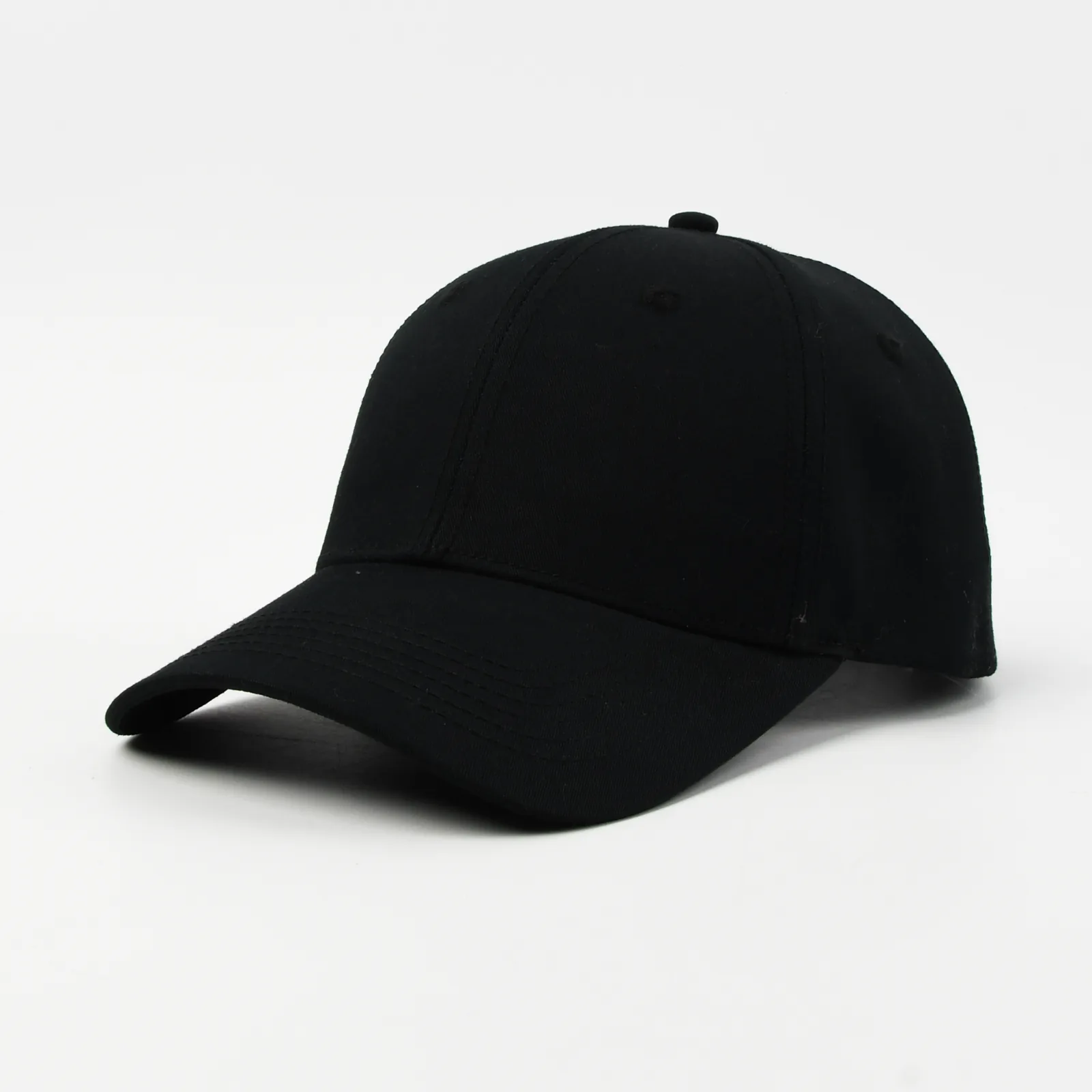
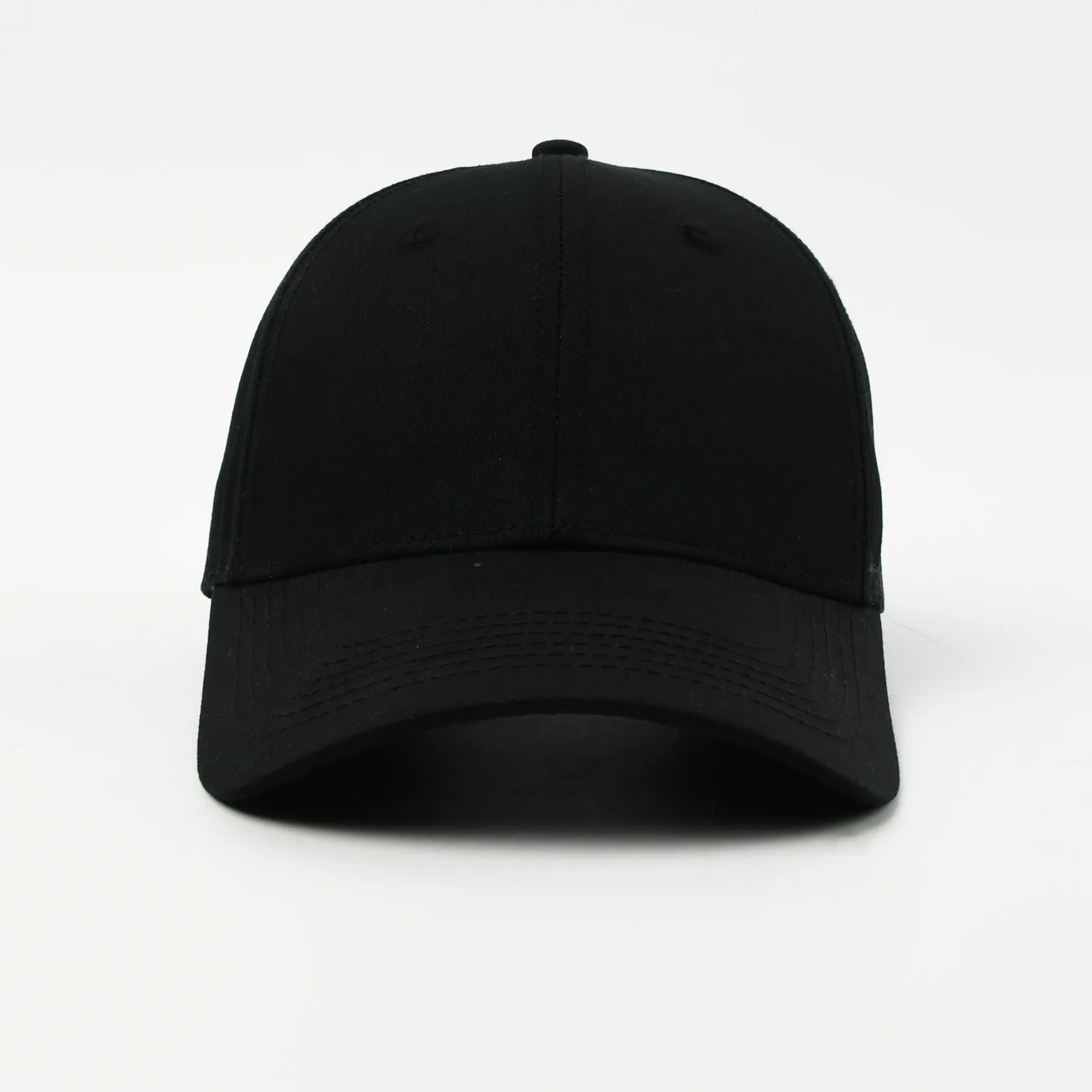
If a brand wants cleaner execution, the first sample should be built around a fixed silhouette brief. Buyers should define target profile, crown attitude, visor direction, front-panel behavior, and closure expectation before the decoration discussion gets too deep. Otherwise, the sample review will mix body correction and logo correction into the same conversation.
- Decide whether the cap should feel more on-field structured, retail-balanced, or fashion-directional.
- Lock the target crown and visor direction before finalizing logo scale.
- Choose one reference cap body to anchor fit expectations across the program.
- Use the first sample to confirm execution quality, not to test three different body ideas at once.
Takeaway: Sampling works faster when the body standard is already clear and the first review is used for confirmation rather than discovery.
What brands should do next
For buyers building branded headwear in 2026, this NCAA news is a useful benchmark: serious programs reduce noise by defining a stable cap platform early. The right next step is not copying a college cap line directly. It is translating that discipline into your own cap brief so materials, decoration, and delivery all sit on a stable body choice.
If your next move is building that factory-ready brief, start with OEM / ODM Headwear Services. If the cap direction is already chosen and the project is moving into execution, How Custom Hat Sampling Works is the strongest follow-up page.
Takeaway: The lesson from this news is not to imitate NCAA licensing. It is to run your own cap program with clearer body discipline and cleaner sampling logic.
In summary: New Era and adidas expanding NCAA on-field caps in 2026 is a useful buyer signal because it shows how visible cap programs scale through standardization. Brands that want better consistency should lock body logic early and let sampling confirm that choice.
Conclusion
The 2026 NCAA on-field cap expansion is a sports headline, but for buyers it is really a product-development lesson. The more visible and repeatable a cap program becomes, the more important early body definition, fit control, and approval discipline become. Buyers who treat cap construction as a front-end decision usually get cleaner results later.
The most relevant next page for turning that lesson into a workable production brief is OEM / ODM Headwear Services.
FAQ
Does this NCAA news matter only for licensed sports programs?
No. The direct announcement is about licensed college baseball caps, but the broader lesson is useful for any buyer who needs cap consistency across teams, seasons, retail drops, or branded events.
What is the main sourcing lesson from the expansion?
The main lesson is that body standardization should happen early. When profile, crown feel, and visor direction stay vague, decoration approval becomes slower and less reliable.
Should a buyer copy an on-field cap structure exactly?
Not necessarily. The better approach is to study the discipline behind the rollout and then define the cap body that fits your own market, wear context, and brand silhouette.
What should happen before the first cap sample is approved?
The buyer should already have a clear target body, fit direction, and reference cap in the brief so the sample review confirms quality instead of reopening the entire cap-body decision.