


Nike’s Race-Day Shoe System: October 2026 Buyer Update
Nike’s race-day lineup and October race coverage show how sports-product buyers can connect user segments, sample testing, sourcing and launch planning.
Nike announced a new race-day footwear system on September 30, 2026, built around Nike Apex, Alphafly 4 and Swooshfly. Independent reporting during the October Chicago Marathon period adds fresh context on race use and retail timing. The useful question for sports-product buyers is how a range with different user roles changes product briefs, testing priorities and delivery planning. Official announcement, September 30
Buyer takeaway: Build the range around a runner’s actual task, then prove the relevant benefit through sampling. The procurement lessons below are editorial analysis; they do not imply that 4UGEAR makes these shoes or supplies Nike.
What Nike announced and when the range arrives
Nike presents the lineup as a choice rather than a hierarchy. Apex targets runners pursuing the edge of marathon performance. Alphafly 4 balances responsiveness, comfort, stability and efficiency for a broader marathon audience. Swooshfly is positioned as an invitation to race day. These are the brand’s intended product roles, rather than independently established rankings of running speed.
The official September 30 release schedules Alphafly 4 for October 2026, Apex for January 2027 and Swooshfly for February 2027, through Nike’s website and selected retailers. As of October 14, buyers should distinguish an announced launch window from actual stock in a particular country or channel.
Buyer takeaway: Treat each model as a distinct user proposition and confirm local availability separately.
What the October independent coverage confirms
Runner’s World’s October 12 report on the Chicago Marathon identifies race footwear used by leading competitors, discusses the Apex’s January availability, and reports an October 29 retail date for Alphafly 4. That creates a current news angle beyond repeating the original launch announcement. It also shows that athlete use can precede broad retail distribution. Independent October race report
A separate Alphafly 4 test describes a lighter Air unit, revised foam and a wider platform, while noting remaining noise and a limitation in the reviewer’s fit assessment. Manufacturer percentages and early testing observations should retain attribution. A podium result cannot isolate a shoe’s contribution from fitness, pacing, weather and athlete preparation.
Buyer takeaway: Use race coverage to understand product context, without turning it into a guaranteed performance claim.
Why segmentation changes a buyer’s specification
A newcomer and a performance-focused runner may attend the same race but need different comfort, fitting support, visibility and price points. A product family should explain those differences in language the customer can use. Merely changing colours or adding a premium label does not establish a meaningful tier.
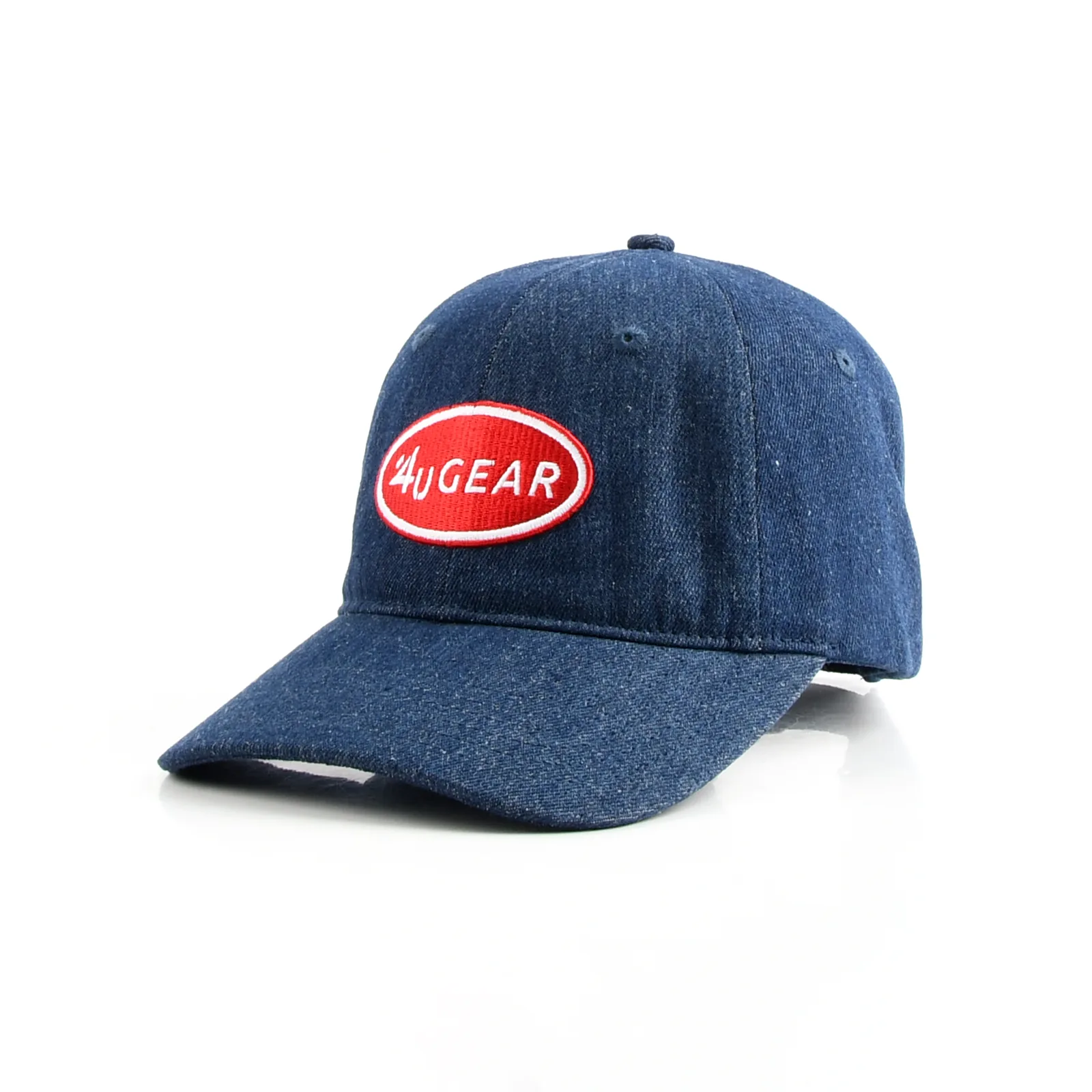
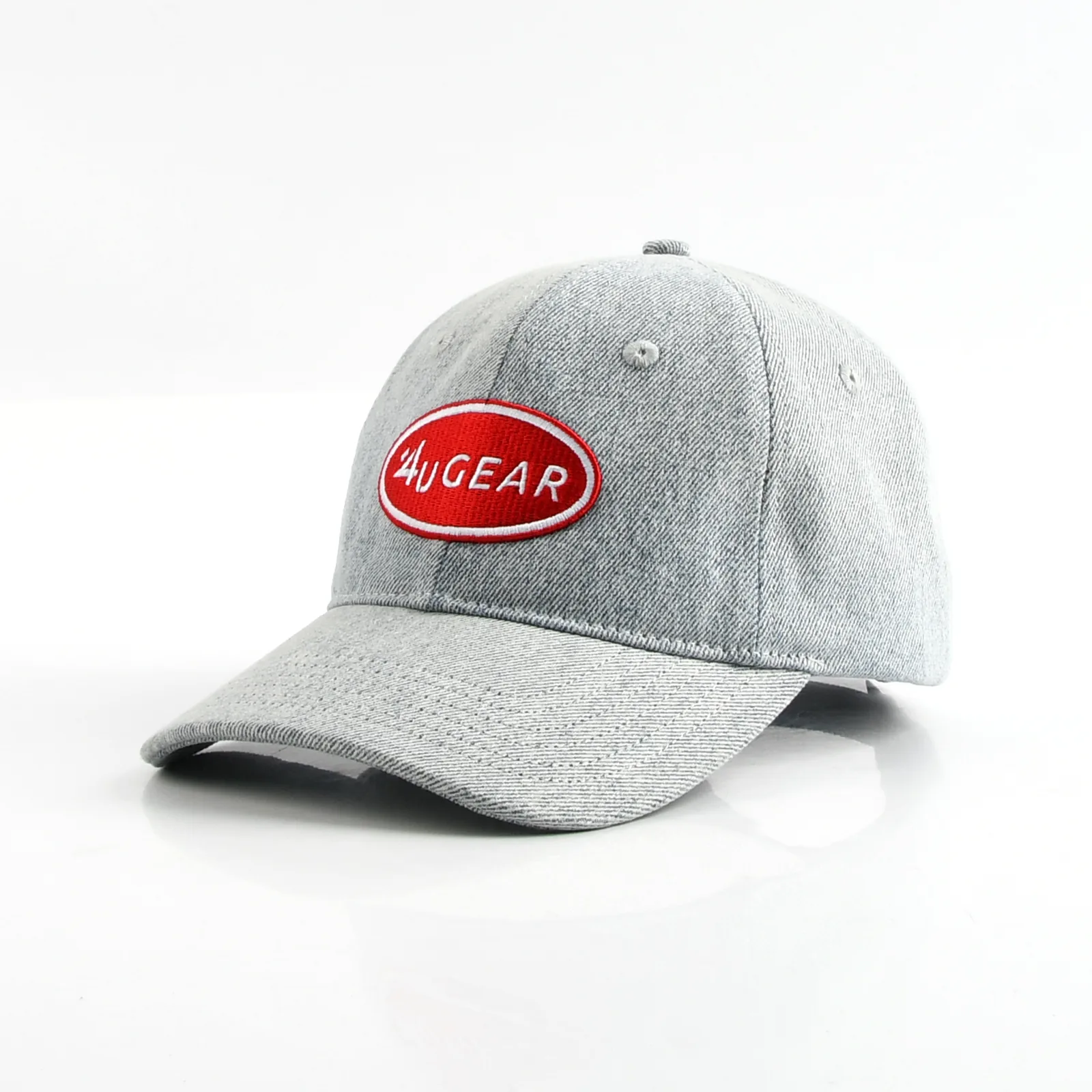
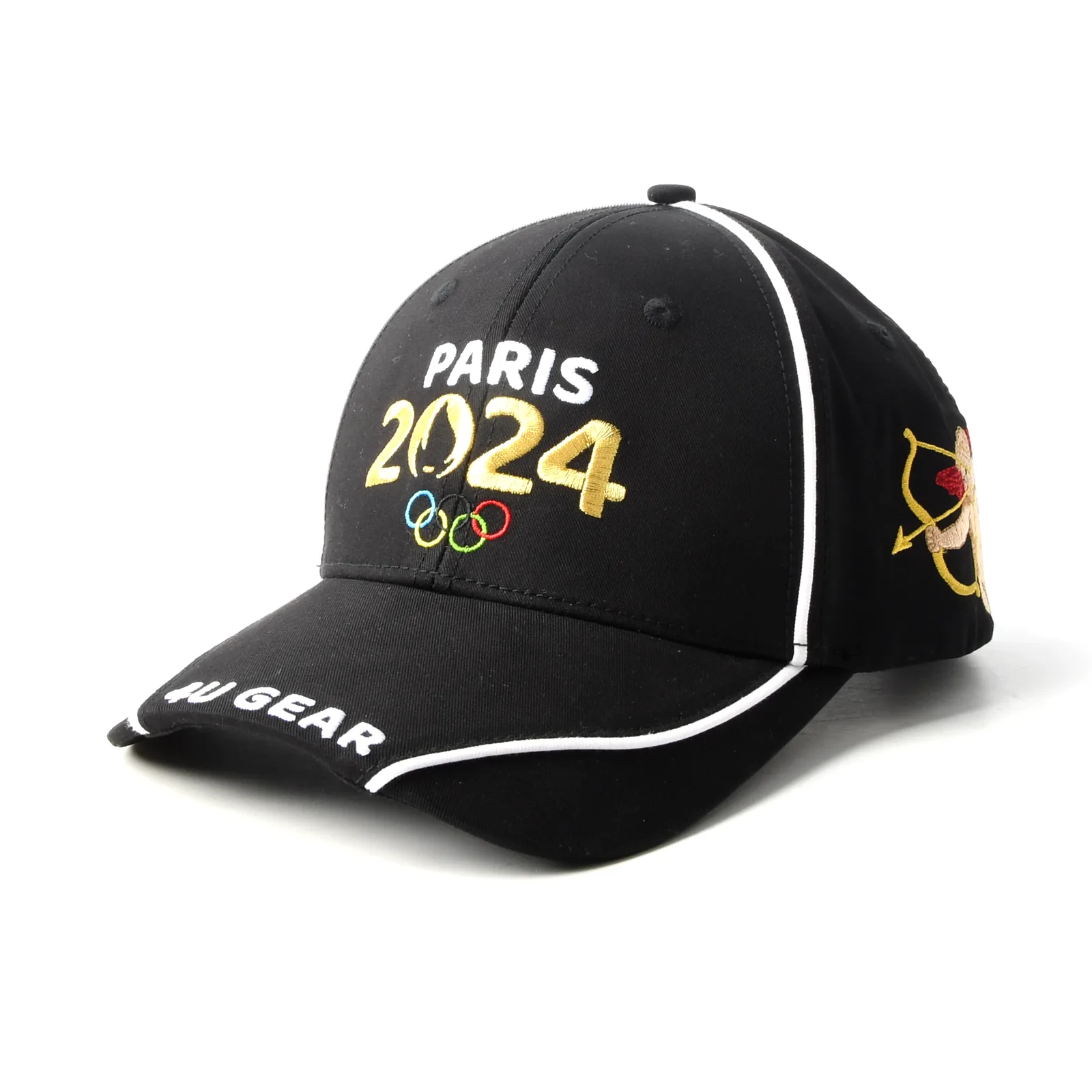
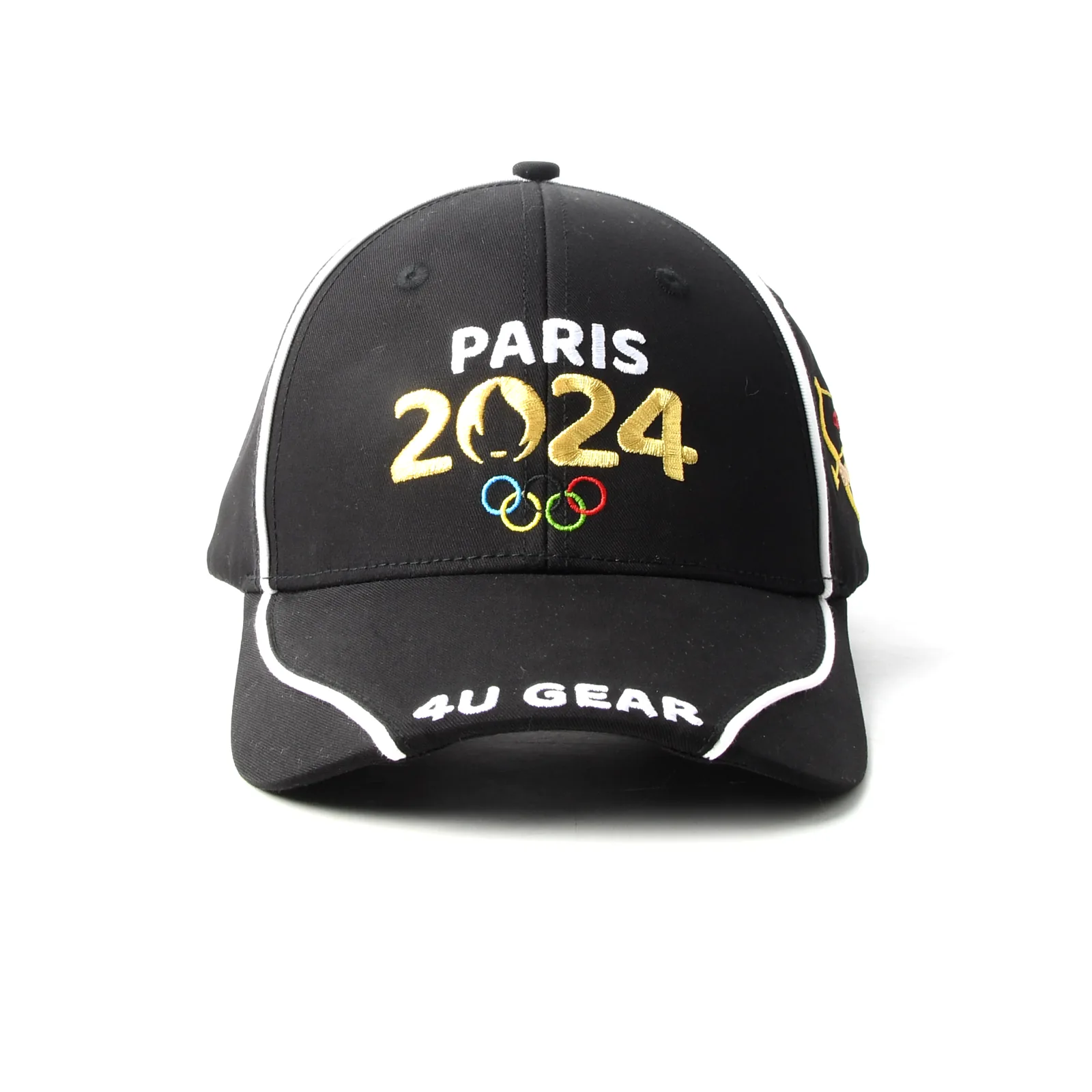
For a running-cap or accessory brief, write the activity, duration, climate and fit range before choosing materials. Then record which properties are essential and how they will be assessed: sweat handling, ventilation, brim stability, closure comfort or decoration durability. No universal fabric weight or minimum order quantity can be inferred from this footwear announcement.
Buyer takeaway: Start with the user and a measurable requirement, rather than a technology name.
How the idea applies to running caps and accessories
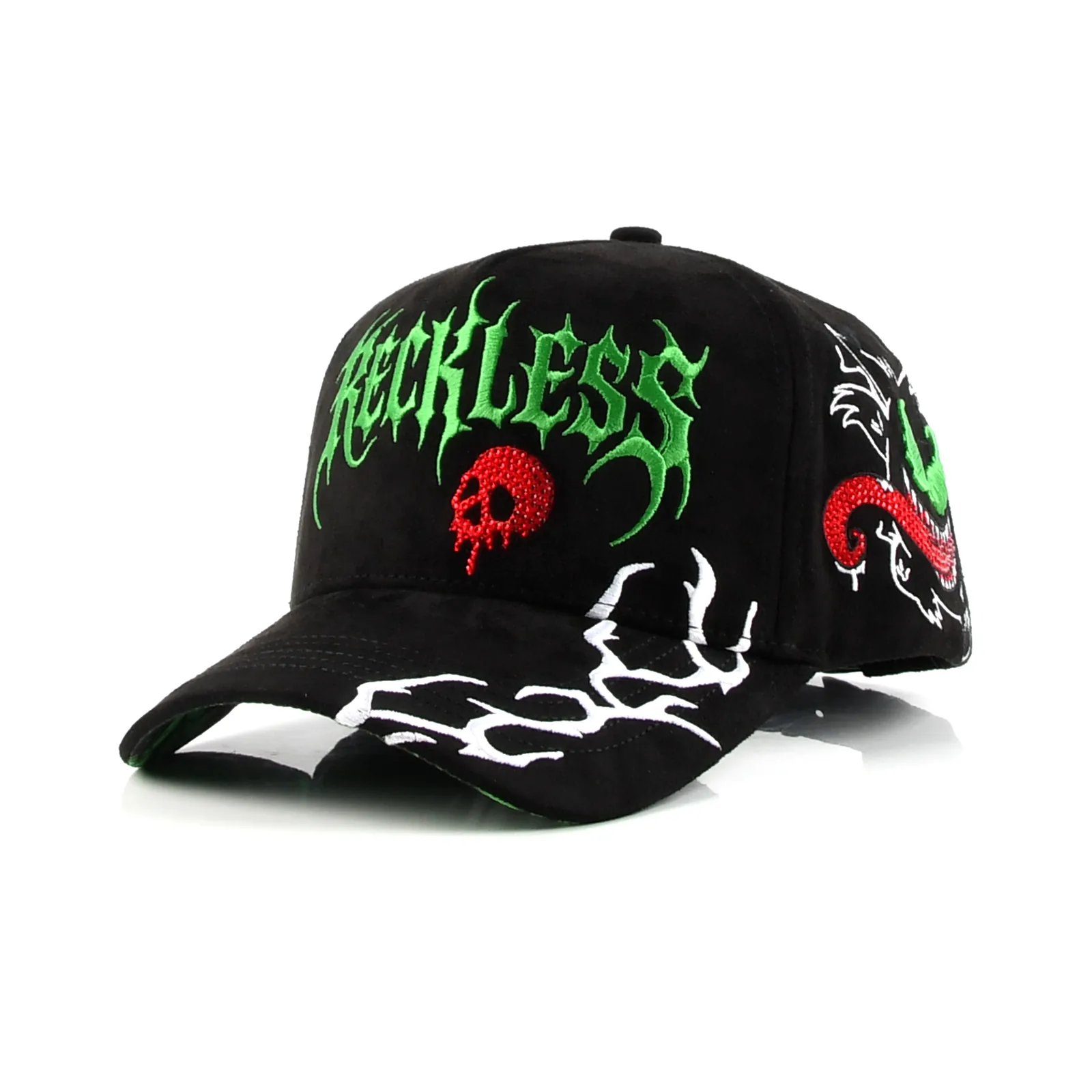
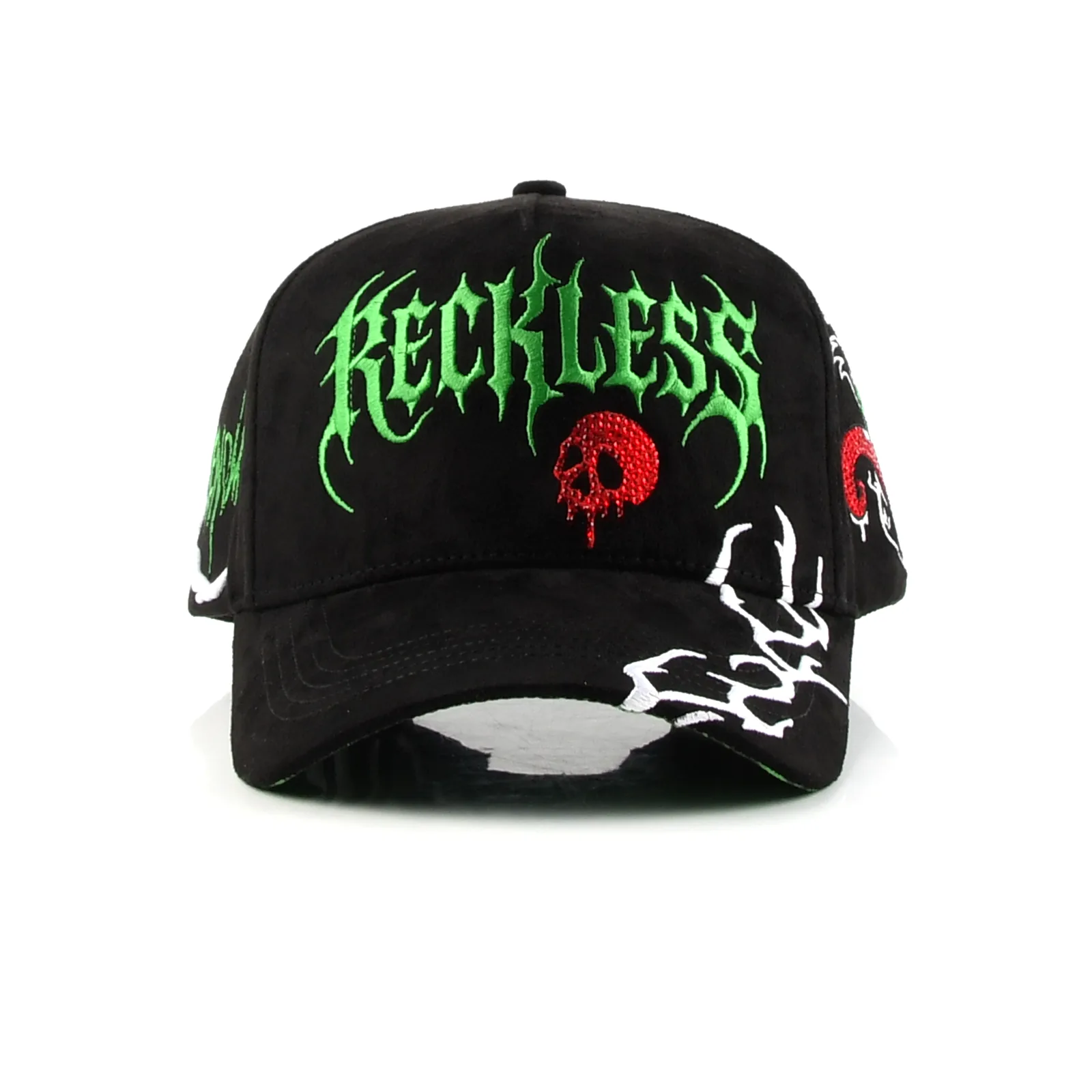
The transferable idea is portfolio structure, not shoe technology. A daily-training cap may prioritize easy care and repeatable fit; a race-day version may add carefully tested ventilation and reflective details; a partner edition may emphasize artwork consistency and packaging. These are possible development routes, not products Nike announced in this release.
Use common components where they do not weaken the intended function, and isolate genuinely different materials or trims in the relevant variant. Too many unique components can increase sample work, supply uncertainty and inspection complexity. A supplier should quote from a construction brief with tolerances, approved references and decoration placement, rather than a photograph alone.
Buyer takeaway: Make every extra component justify its cost, user value and quality-control burden.
How to plan samples, quantities and delivery
Work backwards from the date the goods must be available to the customer, including freight and receiving time. Separate material confirmation, fit trials, artwork approval, functional checks, bulk production and inspection. A famous brand’s launch date is a market reference, not evidence that a new custom order can meet the same window.
Before approving the quotation, ask which parts are shared across variants, which materials have alternatives and which changes would require a new sample. Agree how trial quantities and the eventual bulk quantity are handled. Record any untested claim as unresolved, and keep the signed sample and specification together for production handover.
Buyer takeaway: Approve a realistic critical path before committing to the selling date.
What buyers should verify before committing
A tiered program becomes risky when differences are cosmetic, technical claims have no test method or every variant depends on one constrained trim. Buyers should ask whether the advertised launch is global, whether availability is limited, and whether the proposed logo or reflective treatment withstands the actual use and care conditions.
The practical response is a sharper brief and a better approval process, not a promise to imitate elite footwear. For headwear, assess fit, sweat, comfort and repeat wear with relevant samples. This article interprets public news for purchasing decisions; it does not establish market-share growth, a performance guarantee or a relationship between the brands mentioned.
Buyer takeaway: Keep confirmed event facts, observed testing and proposed procurement actions visibly separate.
| User task | Development priority | Evidence before approval |
|---|---|---|
| First race | Comfort and straightforward fit | Wear trial and size check |
| Regular racing | Repeatable performance and construction | Functional test and approved sample |
| Premium program | Distinct benefits and controlled detail | Documented specification and inspection plan |
Pre-production decision checklist
- Define the wearer, climate, use duration and selling channel.
- Write a distinct role and target price for each variant.
- Agree materials, substitutes, tolerances and decoration references.
- Match every performance claim to a test or inspection method.
- Approve fit, colour, artwork and packaging before bulk production.
- Record quantity assumptions, inspection milestones and required arrival date.
Buyer questions
Does every brand need three product tiers?
No. A small program may need one clearly defined product. Add variants only when they serve a different user need and can be explained and produced consistently.
Can footwear results prove a running cap’s performance?
No. Caps need their own fit, sweat, ventilation and durability assessments. The transferable lesson is user-led range design, not a shared performance number.
Is an October launch the same as immediate worldwide stock?
No. A launch window, selected retail availability and stock in a particular market are different. Confirm the region and channel before planning purchasing or promotion.
What belongs in the first supplier brief?
Include the user, occasion, construction, material, size range, artwork, packaging, target quantity, acceptance method and delivery requirement.
Running-cap development guide · Custom-cap quality-control checkpoints
Referenced external resources
- Official announcement, September 30 about.nike.com
- Independent October race report runnersworld.com