


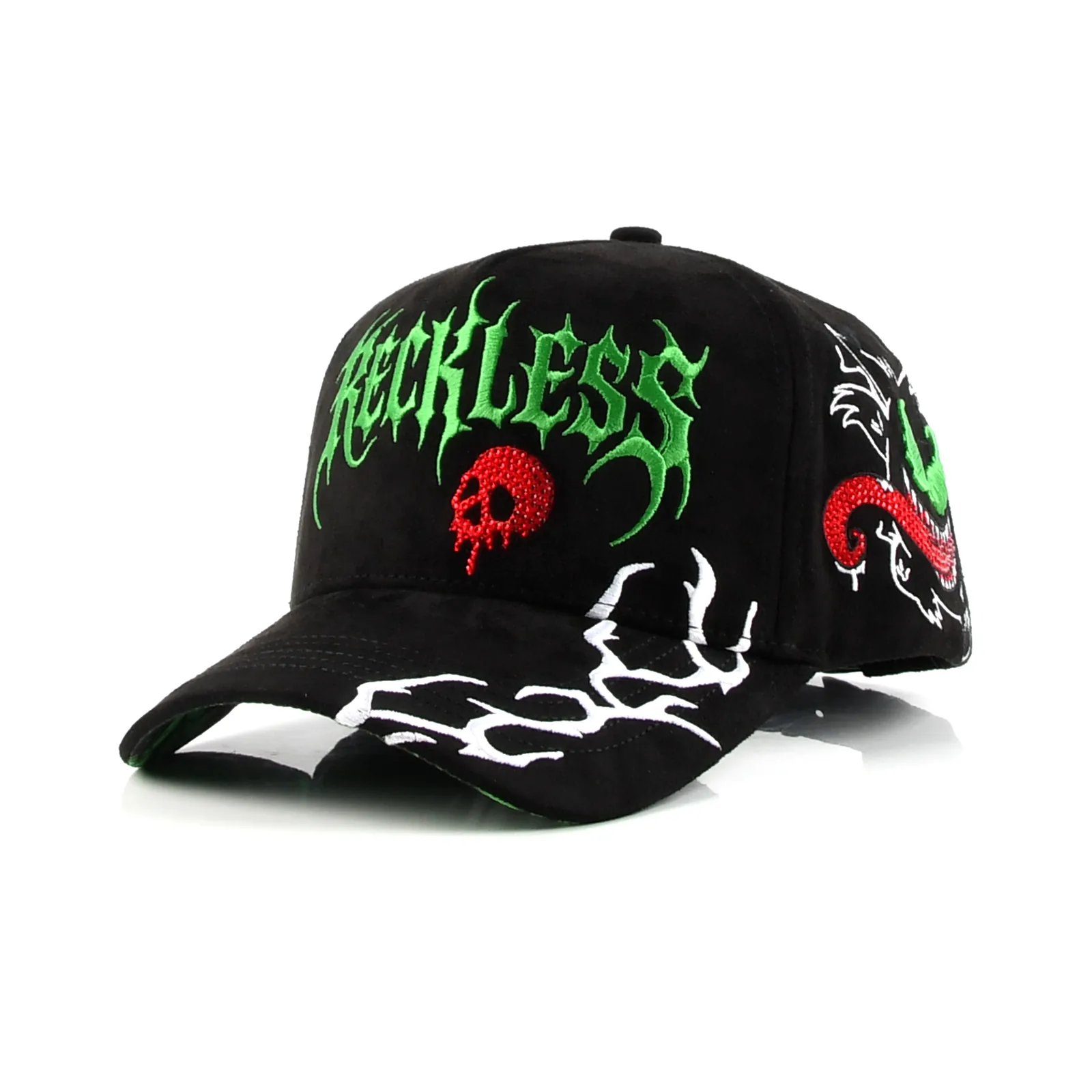
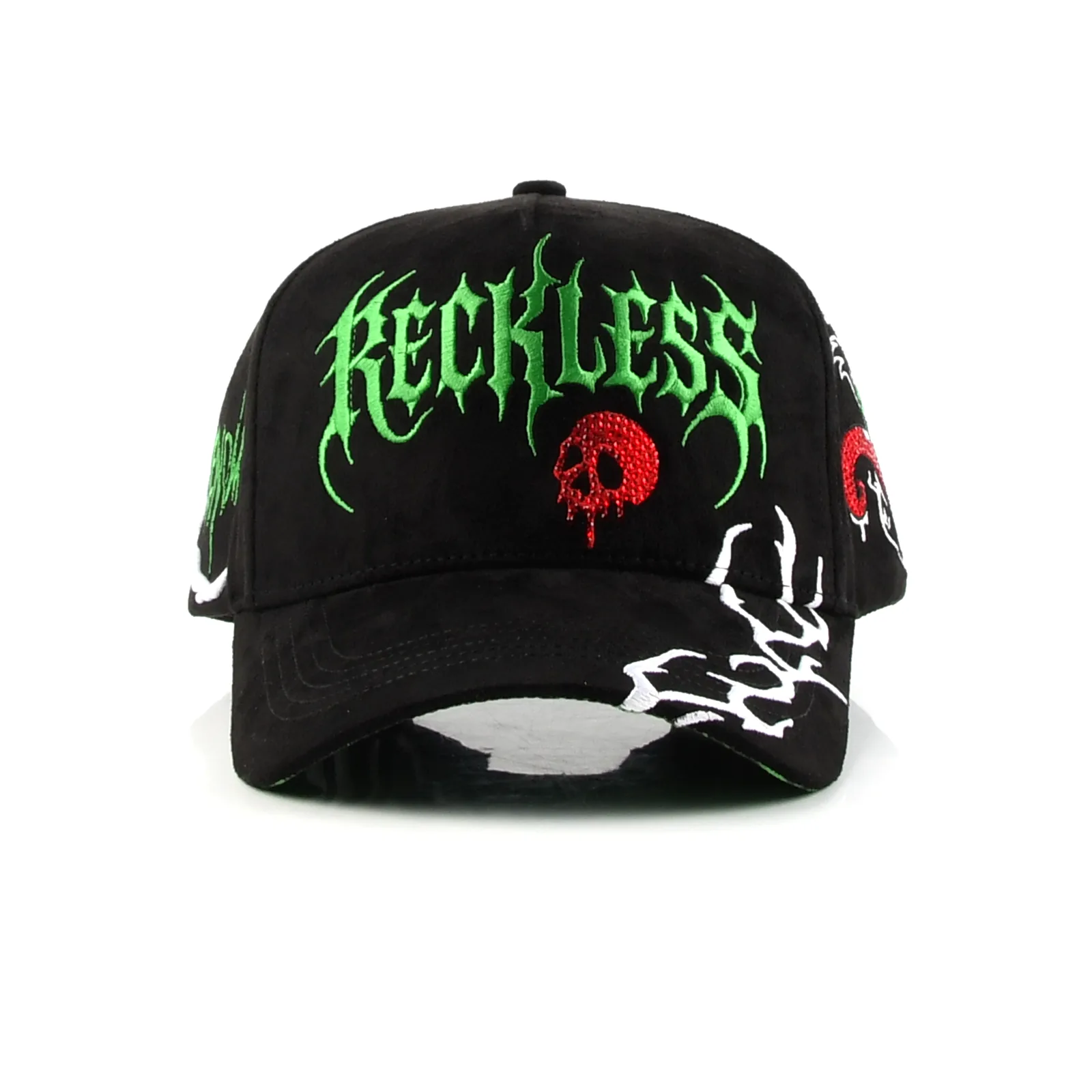
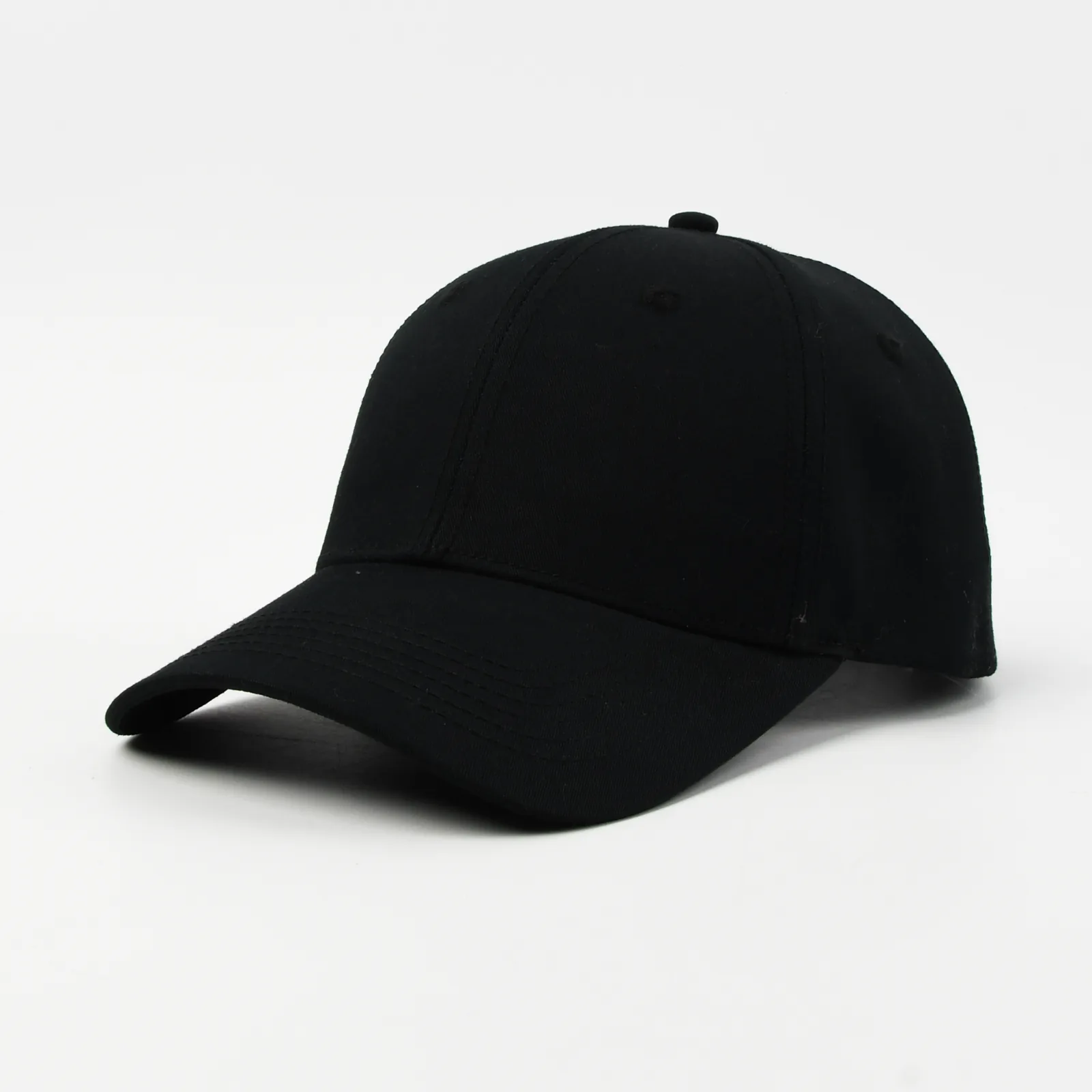
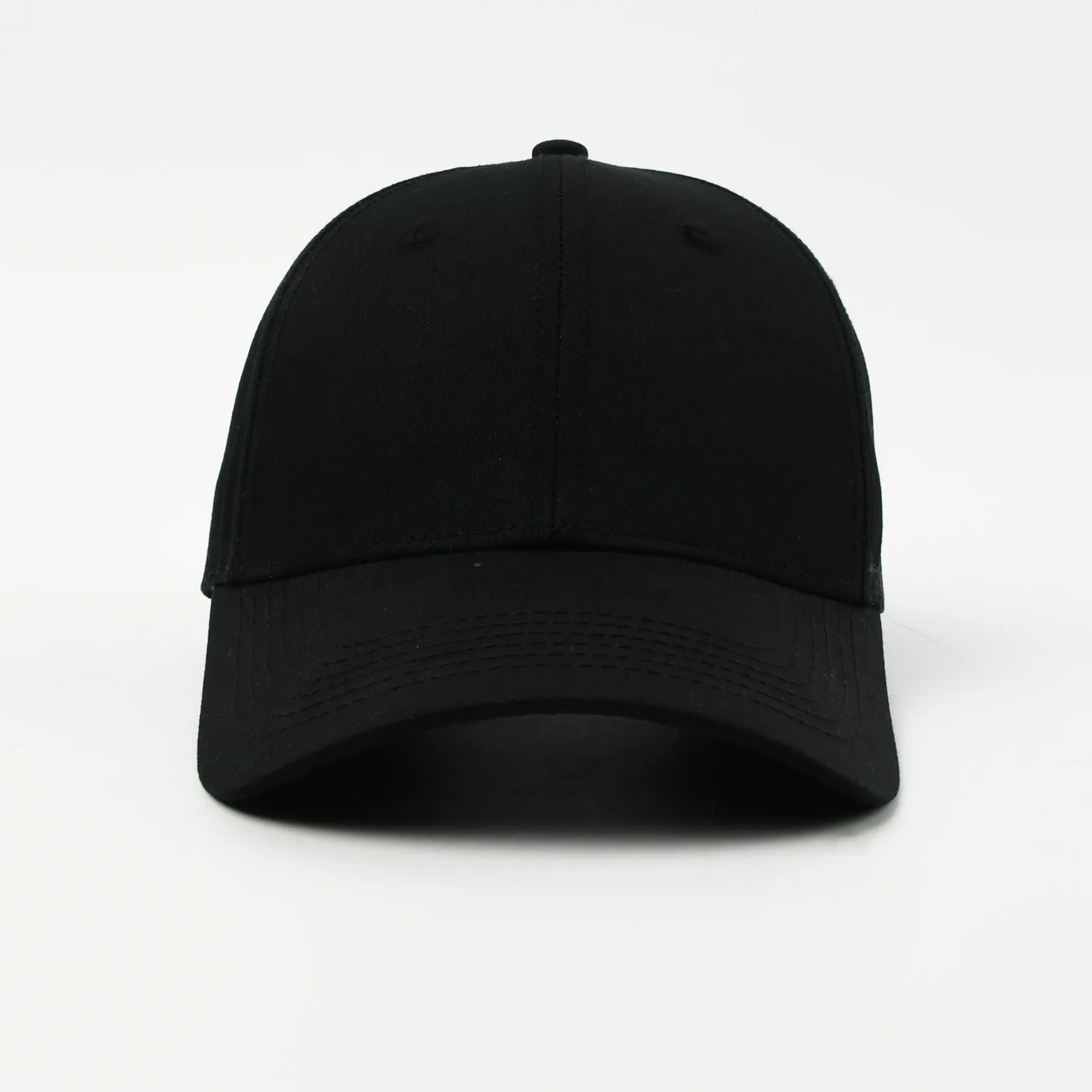
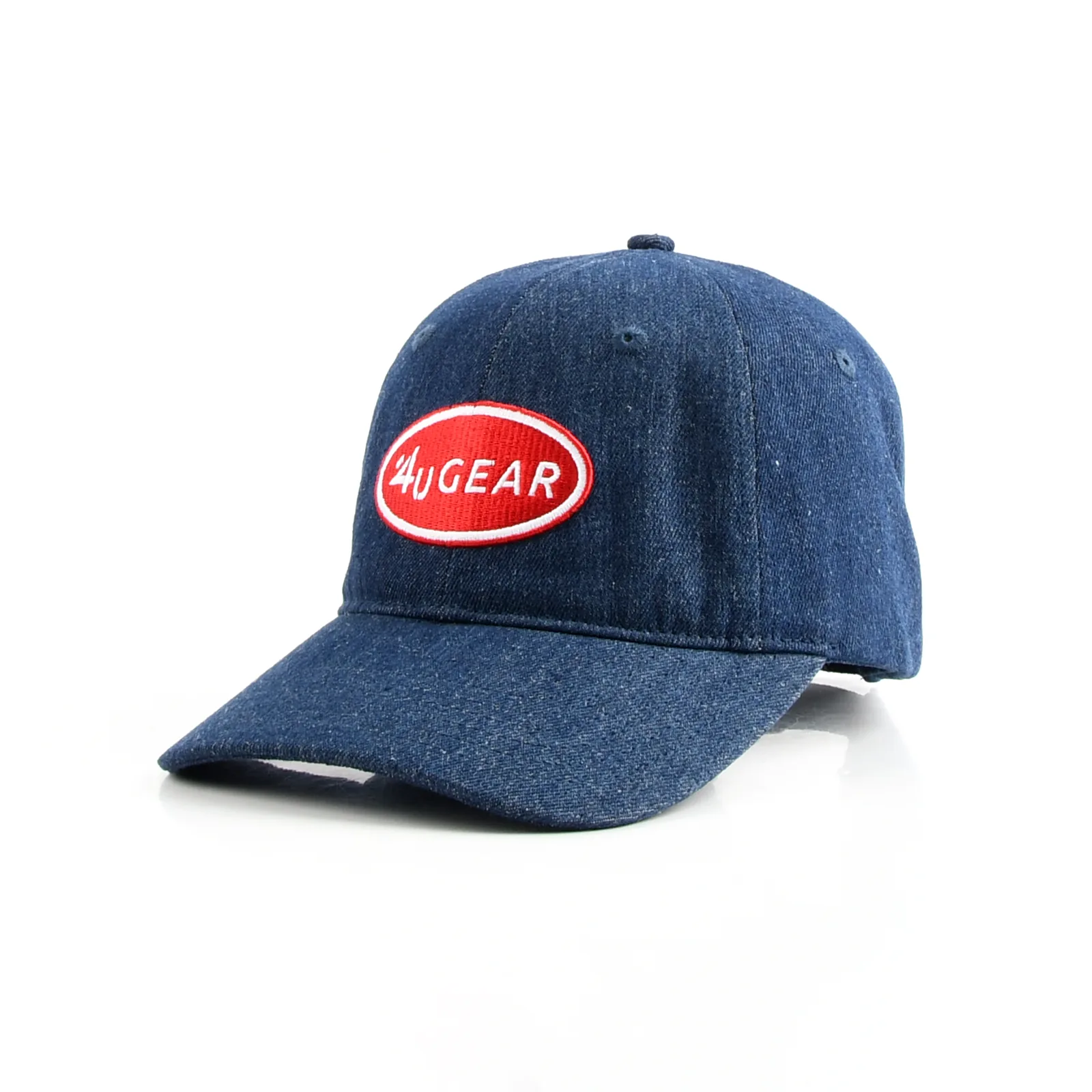
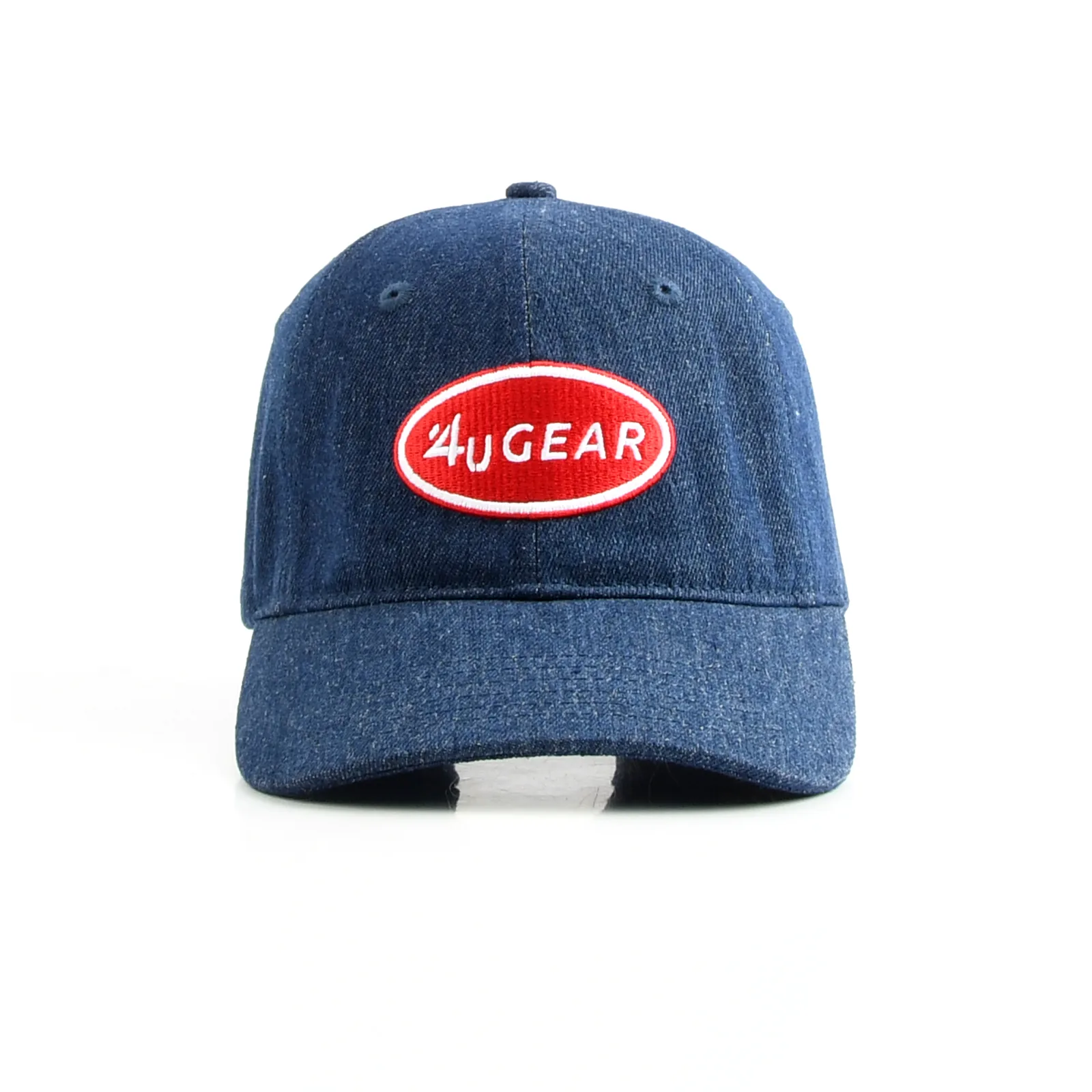
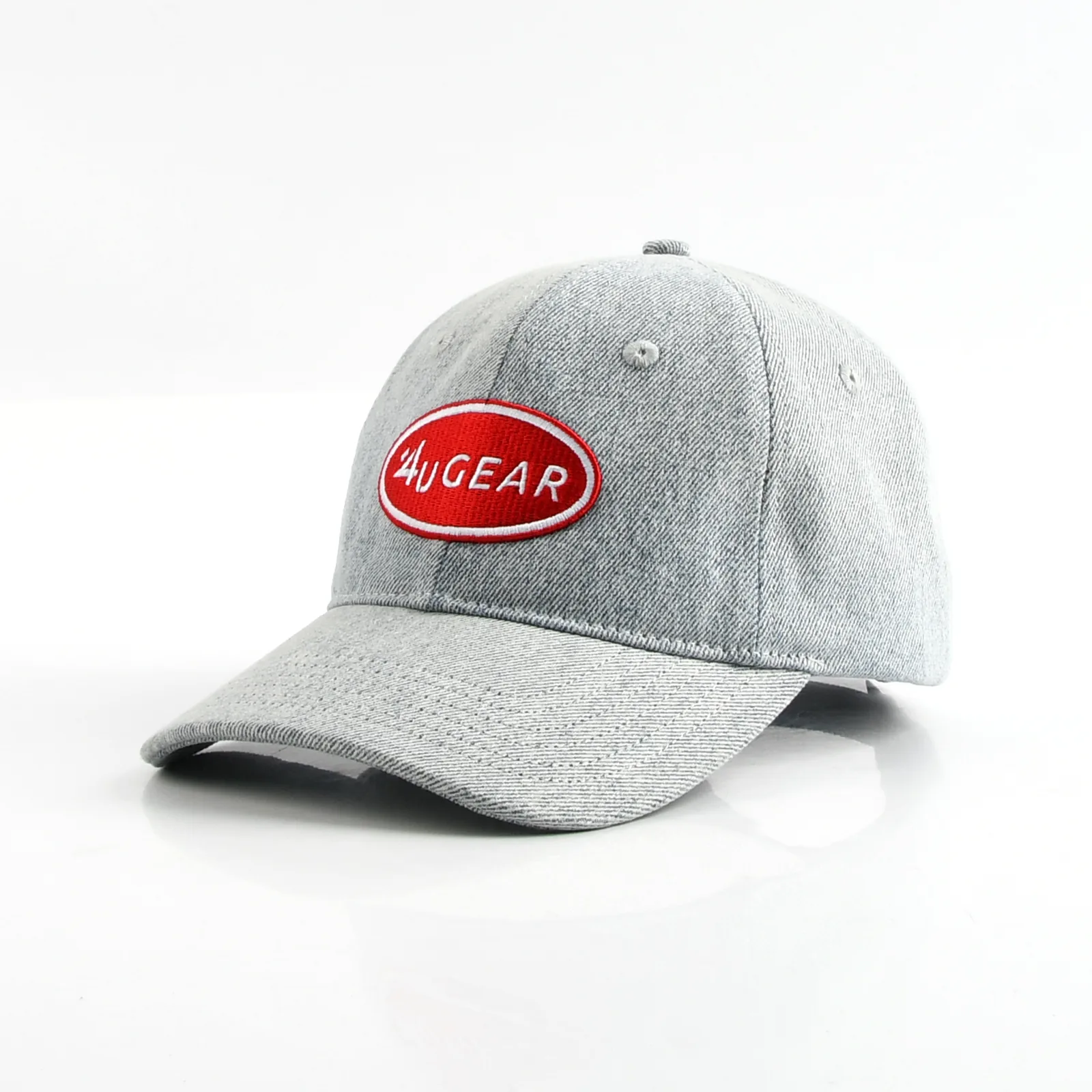
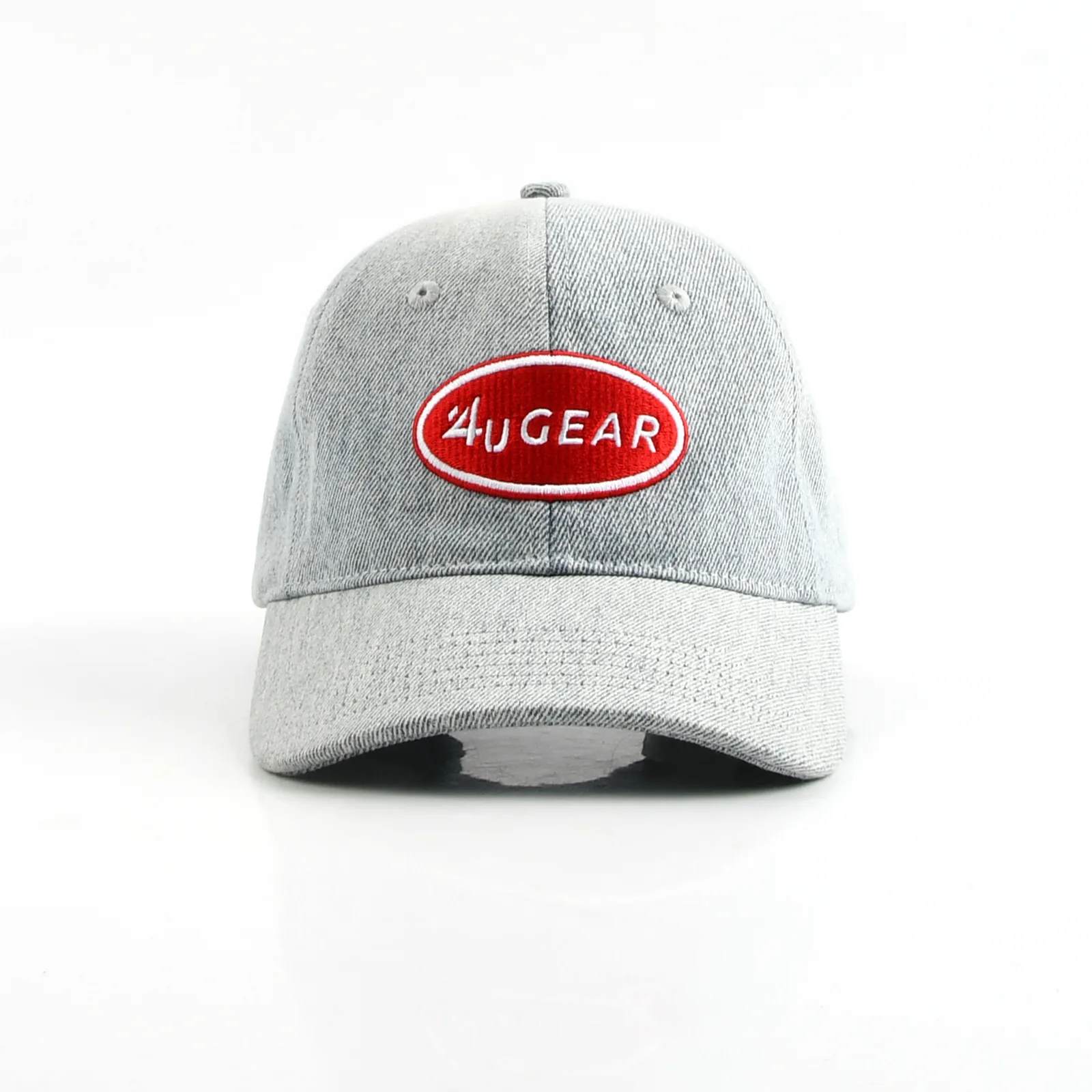
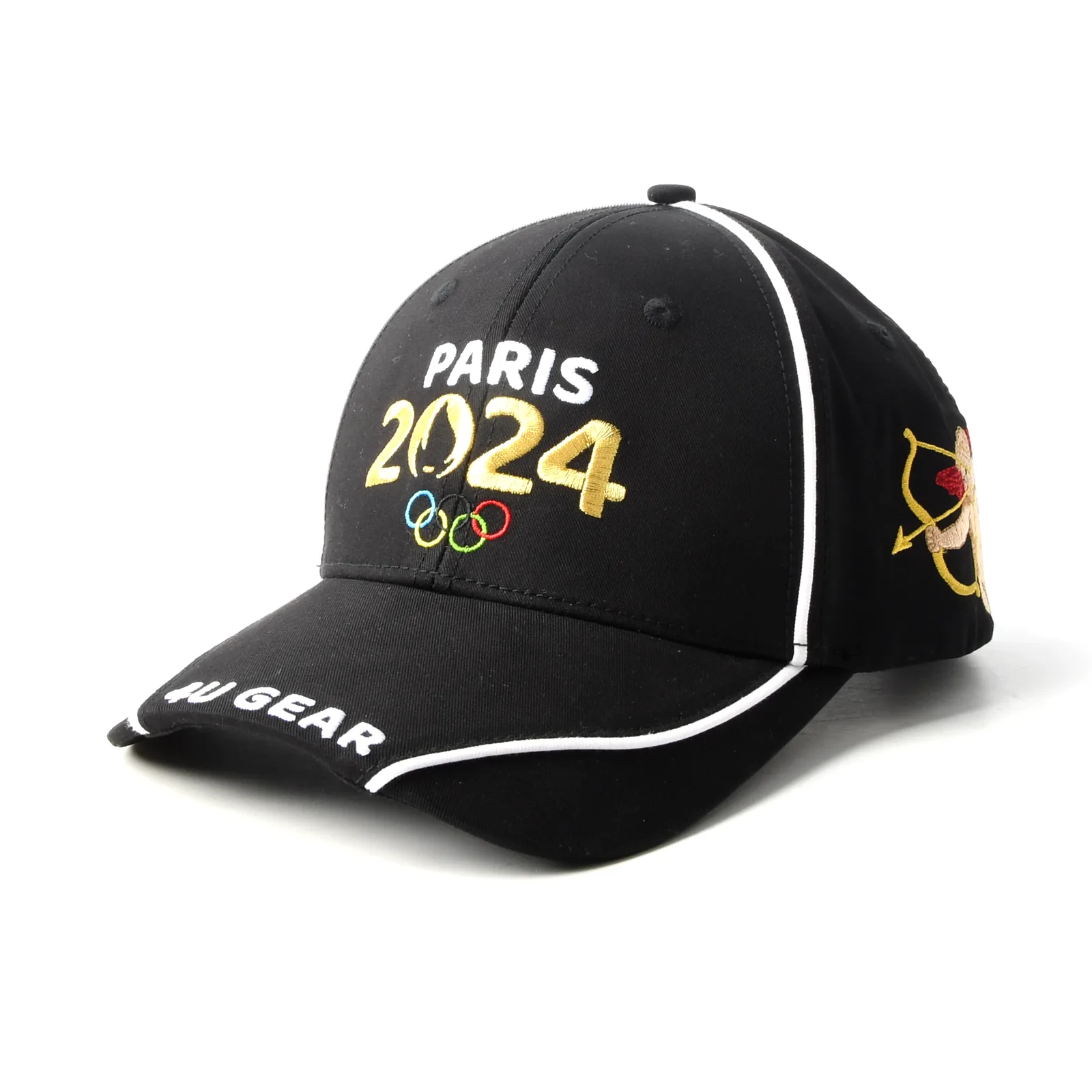
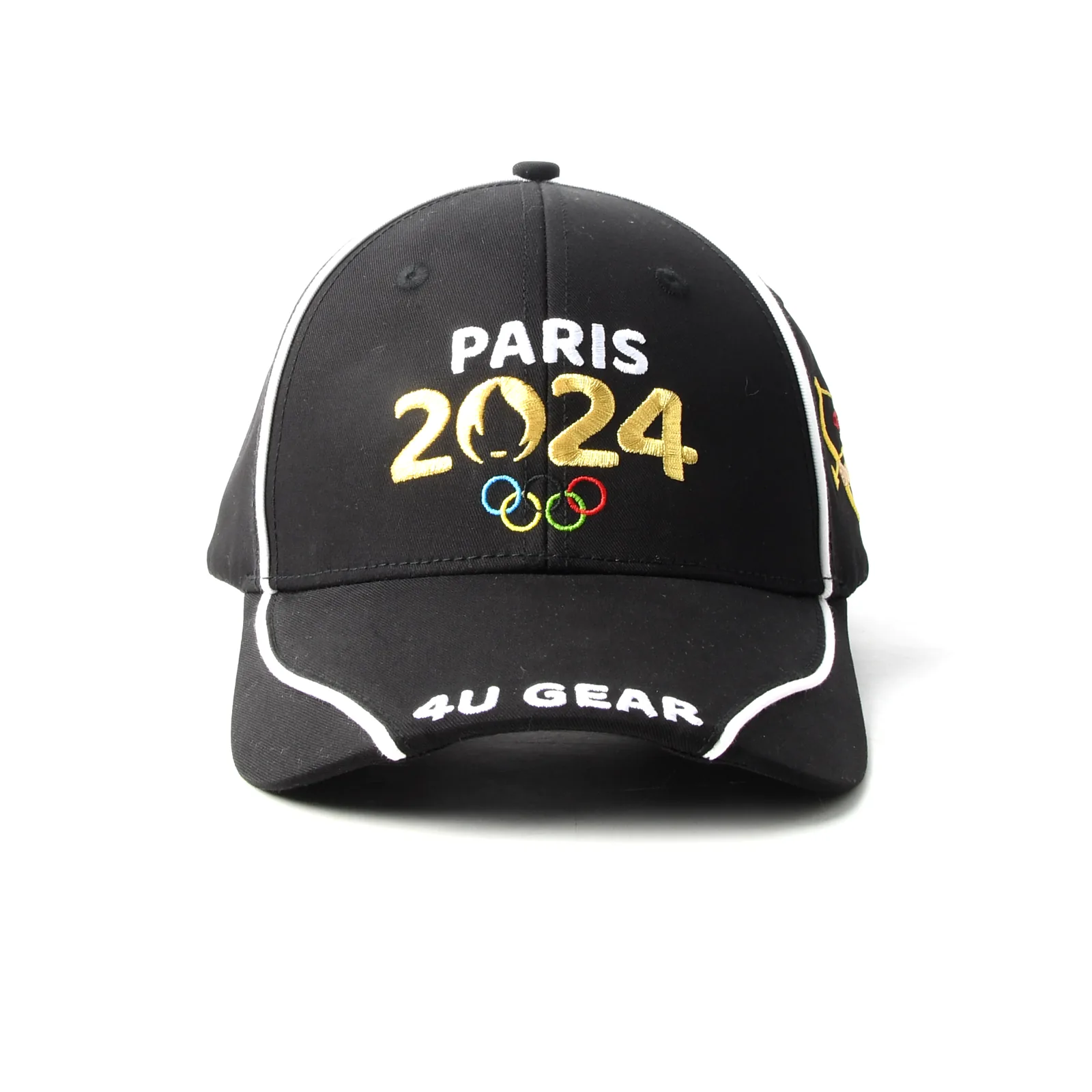
OEM vs ODM Custom Hats: What Buyers Should Know
This guide explains the practical difference between OEM and ODM for custom hat programs, including how the two routes change development control, sampling speed, MOQ logic, and the kind of supplier support buyers actually need.
OEM and ODM are often treated like simple trade terms, but for buyers they create very different working models. The route changes who defines the product direction, how much development support the supplier should provide, how sampling is organized, and how much control the buyer keeps over the final product.
That is why the better question is not which label sounds more advanced. The better question is which route actually fits the stage of the project, the clarity of the brief, and the kind of support the buyer expects from the factory.
Quick take: OEM is usually the stronger route when the buyer already knows the cap direction and wants tighter control over execution. ODM is usually more useful when the buyer needs a faster starting base and expects the supplier to contribute more to the early product definition.
What OEM and ODM really change for buyers
The difference is not only about naming. It changes how briefs are prepared, which files are needed, how the first sample is approached, and how responsibilities are divided between buyer and factory.
| Route | Buyer usually brings | Supplier usually contributes | Best fit |
|---|---|---|---|
| OEM | Clearer design direction, stronger product intent, more control over details | Execution support, technical feedback, sampling, QC, and production follow-through | Brands that already know the look, structure, and commercial target more clearly |
| ODM | Brand goal, market direction, and commercial objective | Starting base style, structural suggestion, earlier product shaping, and faster concept route | Buyers who need a faster starting point or more support defining the foundation |
Takeaway: Buyers should choose the route that reduces confusion and improves decision speed for the actual project stage, not the route that sounds more impressive in theory.
When OEM is usually the better route
OEM usually makes more sense when the buyer already has a clearer product brief, stronger design references, and a more defined brand expectation around shape, decoration, trims, and packaging. In this route, the buyer usually drives the product direction more strongly, while the factory helps translate it into a workable sample and bulk plan.
This route is often stronger for buyers who already know what kind of silhouette, logo placement, market fit, and commercial positioning they want. In those cases, the main value of the factory is not inventing the base direction. It is protecting execution quality, reducing technical missteps, and helping move from sample approval into repeatable production.
When ODM is more practical
ODM can be more practical when the buyer needs a faster starting path and expects the factory to contribute more to the early product definition. That may include using an existing base body, adjusting a known construction route, or narrowing options before the brief becomes fully custom.
This does not mean the buyer gives up brand identity. It means the project starts from a more supplier-led foundation, then becomes more brand-specific as decisions are clarified. For early-stage programs, this can reduce wasted development time and help the buyer move into a usable sample route more quickly.
What buyers should decide before choosing either route
- How clear the current brief really is, not how clear the buyer hopes it will become later.
- Whether the project needs stronger factory input on base structure, trims, or early technical direction.
- How much control the buyer wants to keep over design details before sampling starts.
- Whether speed is more important at the beginning, or whether tighter design control matters more.
- How the chosen route may affect sample rounds, MOQ expectations, and timing discussion.
Takeaway: OEM and ODM should be chosen as workflow decisions, not as labels for marketing language.
Where buyers often make the wrong call
A common mistake is calling a project OEM even though the buyer still expects the supplier to define the shape, simplify trims, propose decoration logic, and decide the starting structure. Another common mistake is choosing ODM for speed, then trying to control every product detail as if the program were already fully OEM.
Both situations create confusion because the route and the expectations do not match. Once that happens, sampling slows down, feedback becomes messy, and pricing or timing conversations become harder than they need to be.
Where 4UGEAR fits in this discussion
4UGEAR is strongest when buyers want to choose the right development route before time and budget are already being consumed by the wrong one. That usually means helping clarify whether the buyer already has an executable brief, or whether the project will move faster if the supplier helps shape the base route first.
For buyers serving the U.S. and Mexico markets, that distinction matters because timing, visual direction, decoration choice, and retail readiness often need to stay aligned. Choosing the right model early helps reduce wasted sample rounds and makes MOQ and lead time discussion more realistic.
FAQ
Is OEM always better than ODM?
No. OEM is stronger when the buyer already has a clearer direction and wants more control. ODM can be more efficient when the project still needs the factory to help define the starting base.
Does ODM mean the product cannot feel branded?
No. ODM often starts from a more supplier-led foundation, but it can still be shaped into a brand-specific product as details become clearer.
How does this choice affect sampling?
OEM usually expects a more defined brief before sampling starts. ODM usually allows the supplier to contribute more to the first usable solution and can help speed up early-stage development.
What should buyers ask before choosing OEM or ODM?
Ask who is expected to define the base structure, how much design control the buyer wants to keep early, how the route affects MOQ and timing, and what the first sample is supposed to confirm.
Related pages
- OEM / ODM Headwear Services
- Sample Room and Development Team
- How to Choose a Premium Custom Hat Manufacturer
Want to continue the discussion?
Send us your brief, reference direction, quantity plan, and timing goal so we can help you judge whether OEM or ODM is the better route for the current project stage. Contact 4UGEAR.