


Panama Canal Uncertainty Sends More Cargo Toward Los Angeles: Apparel Buyer Checks
A logistics report links Panama Canal constraints and fuel costs with cargo shifts toward Los Angeles. Apparel buyers should review route, buffer and landed-cost assumptions.
Buyer check: A 13 October 2026 report from Supply Chain Dive says Panama Canal challenges and higher fuel costs are prompting some shippers and carriers to move volume toward the Port of Los Angeles. The report is a logistics signal, not a forecast that every apparel shipment will change route.
What the latest evidence shows
The Port of Los Angeles statistics page records 1,042,652.30 total TEUs and 545,695.60 loaded import TEUs for September 2026, with total volume up 18.07% year over year. The Panama Canal's September operations summary is the primary reference for canal conditions. These sources establish the operating context; they do not set a supplier's freight quote.
Read the independent report;Port of Los Angeles statistics;Panama Canal primary file。
Why the route matters to apparel buyers
For a buyer, the event geography is the Panama Canal and the U.S. West Coast route. The buyer market is North America. Keep those two facts separate when assessing a shipment from an Asian factory to a U.S. or Mexican distribution point.
A route change can affect transit time, transshipment, drayage, port congestion, fuel surcharges and inventory cover. It does not automatically change the factory price. Ask the forwarder and supplier to state which leg, date and service assumption changed.
Turn route uncertainty into a quote review
Use one comparable product specification, quantity, Incoterm, port pair and delivery window when comparing quotes. Separate a freight revision from changes in fabric, decoration, packaging or inspection scope.
| Buyer evidence | Buyer implication |
|---|---|
| Supply Chain Dive report, 13 Oct 2026 | Review route and fuel assumptions; do not assume every order will divert. |
| Port of Los Angeles: 1,042,652.30 total TEUs in Sep 2026 | Use as a port-activity context, not as a forecast for one SKU. |
| Loaded imports: 545,695.60 TEUs | Check whether the chosen service has enough arrival buffer. |
| Total volume: +18.07% year over year | Stress-test congestion and drayage timing with the forwarder. |
| Panama Canal September operations summary | Ask for the service's actual restriction and sailing assumptions. |
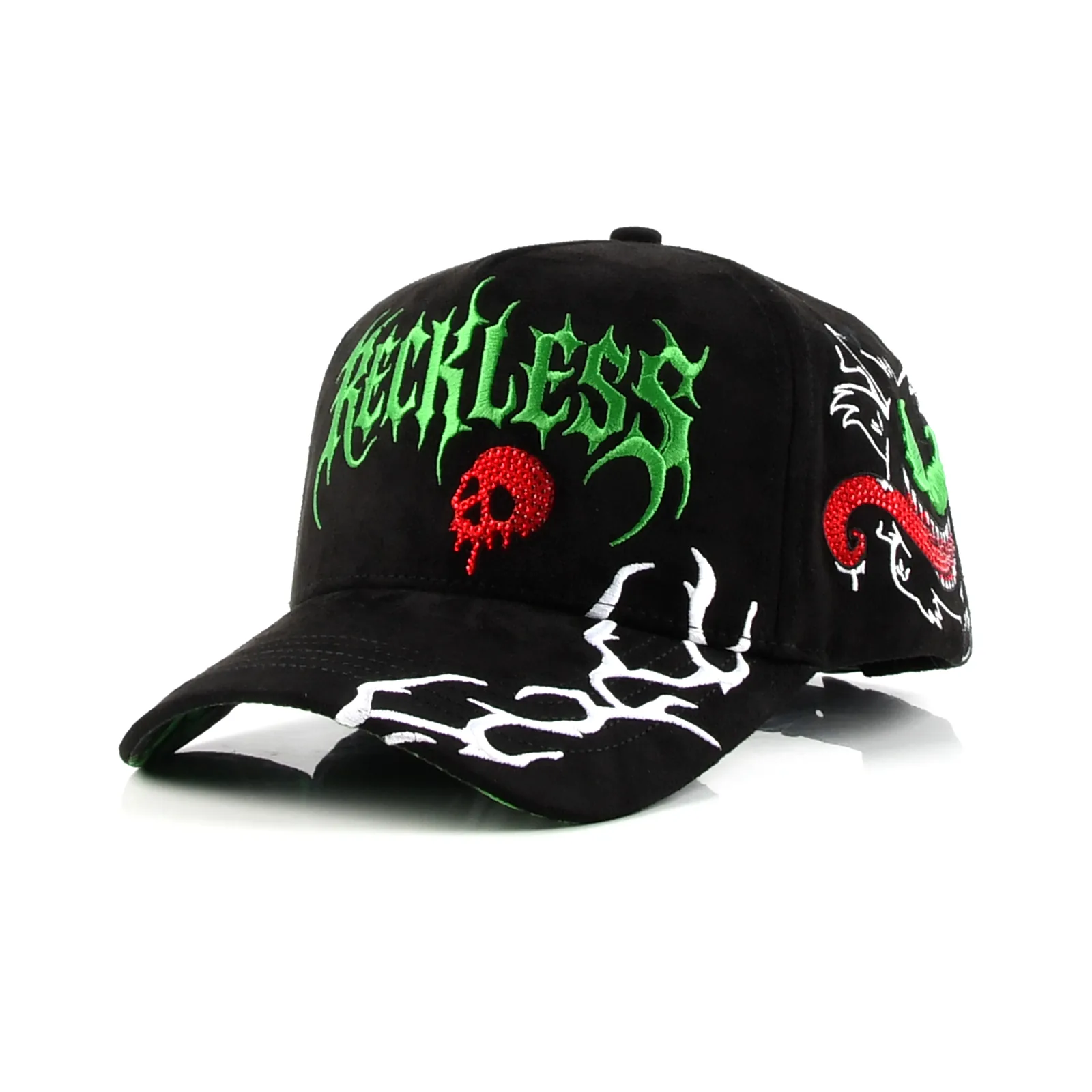
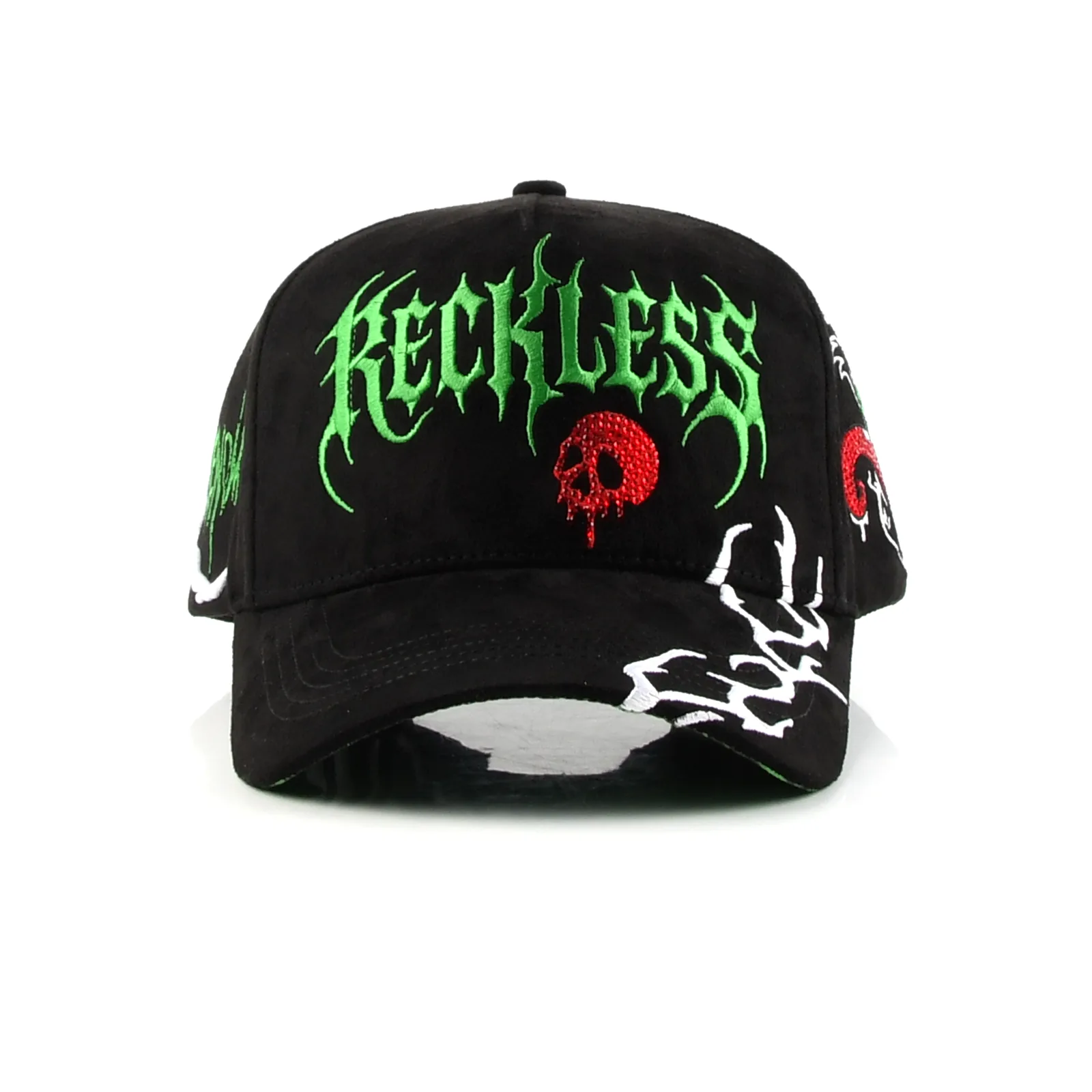
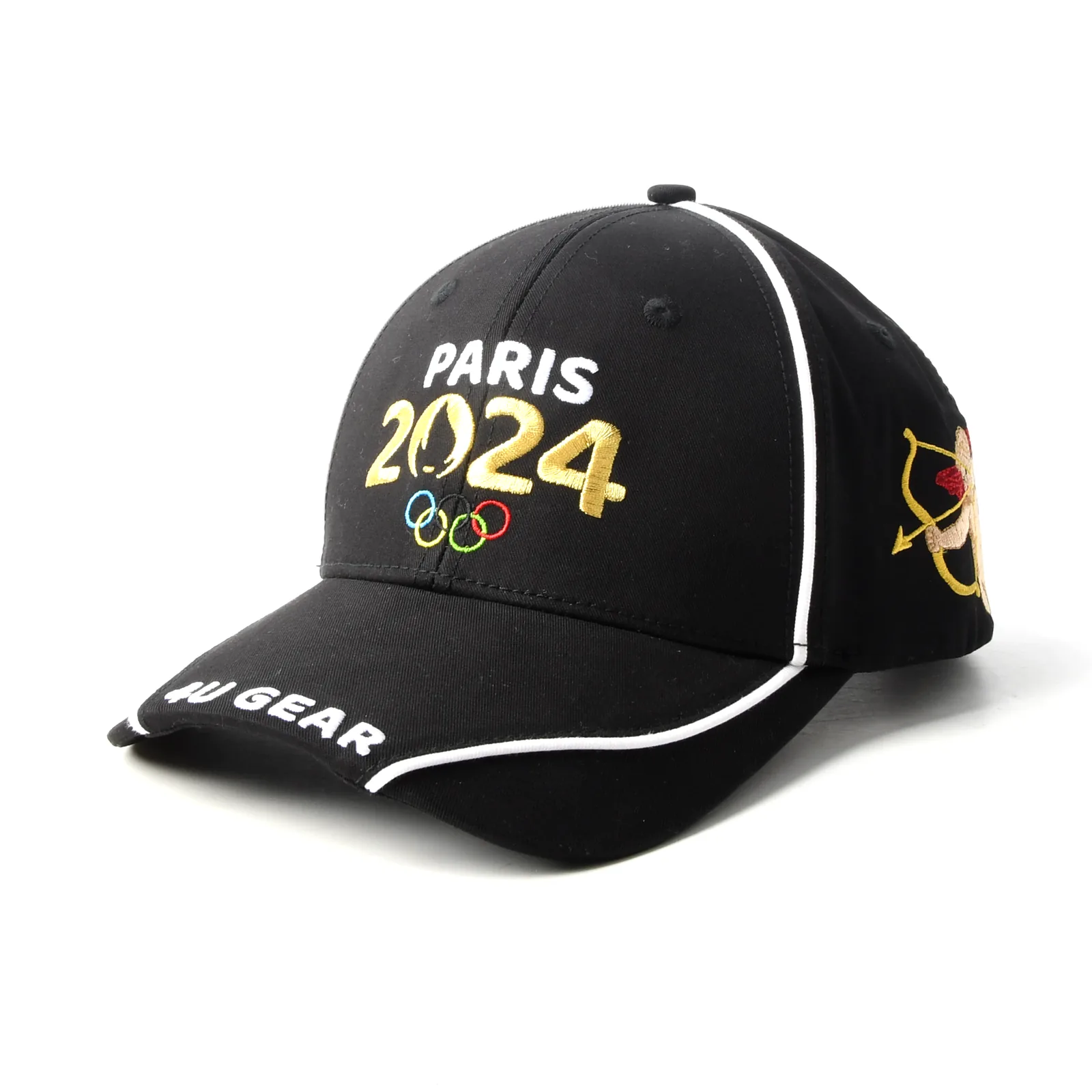
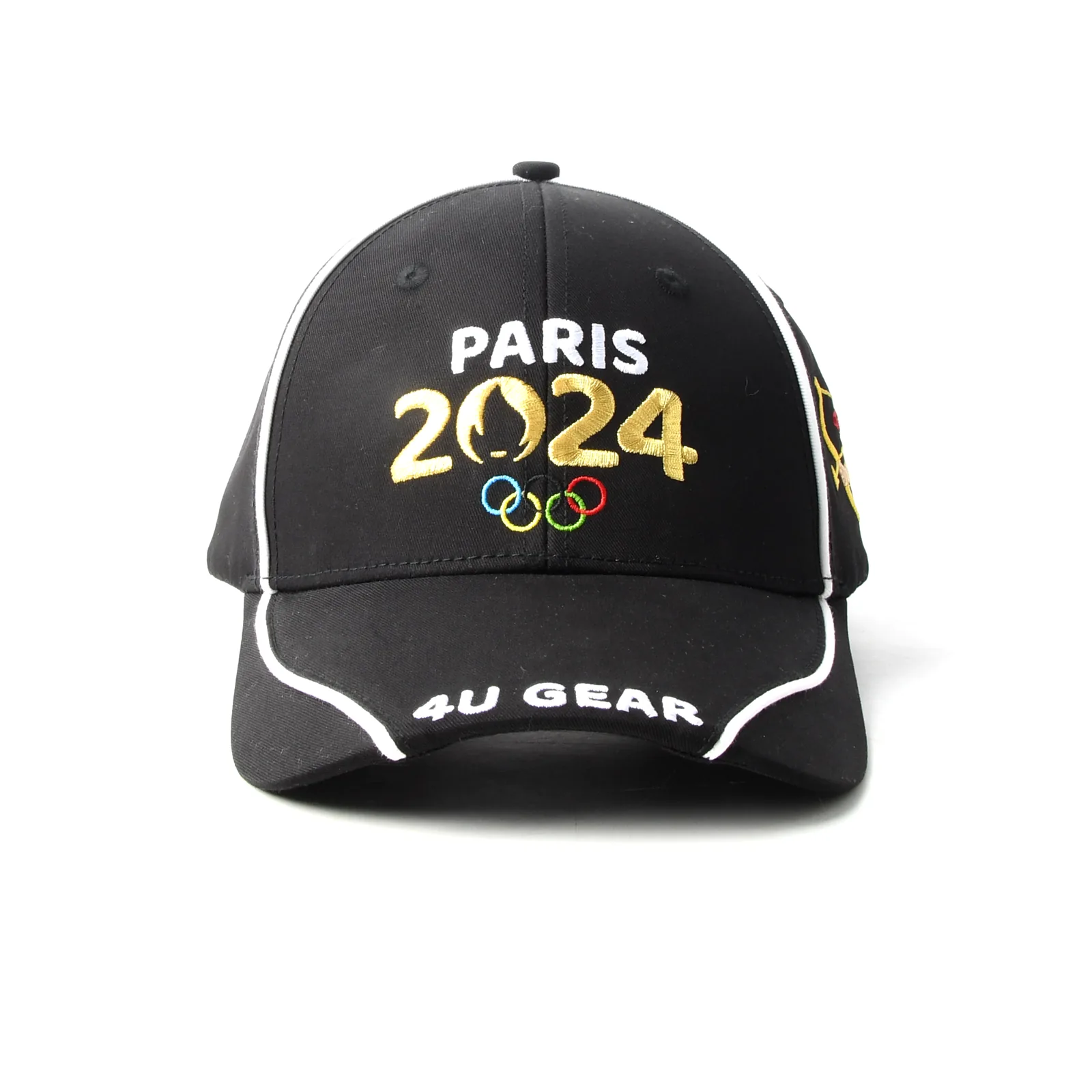
For headwear, confirm carton dimensions, nesting, packing count and any embroidery or patch work that affects cube and handling. The route decision should be checked against the same construction and packing brief used for sampling.
Checklist before confirming an order
- Do not turn one month of port data into a volume forecast. Use the evidence to set a review trigger: if the sailing, transshipment or arrival window crosses the launch buffer, obtain a written alternative and its cost before committing.
- Use one comparable product specification, quantity, Incoterm, port pair and delivery window when comparing quotes. Separate a freight revision from changes in fabric, decoration, packaging or inspection scope.
- For headwear, confirm carton dimensions, nesting, packing count and any embroidery or patch work that affects cube and handling. The route decision should be checked against the same construction and packing brief used for sampling.
- A route change can affect transit time, transshipment, drayage, port congestion, fuel surcharges and inventory cover. It does not automatically change the factory price. Ask the forwarder and supplier to state which leg, date and service assumption changed.
Protect launch timing and replenishment
Do not turn one month of port data into a volume forecast. Use the evidence to set a review trigger: if the sailing, transshipment or arrival window crosses the launch buffer, obtain a written alternative and its cost before committing.
4UGEAR headwear OEM services · complex headwear craftsmanship capabilities。
Questions buyers ask
Does this prove my shipment must use Los Angeles?
No. It shows a route signal and port context. The correct choice depends on origin, destination, service availability, cost and the required delivery date.
Should I add a blanket freight percentage?
No. Request a lane-specific quote with validity, surcharge basis, transit estimate and destination charges.
What should be checked for custom caps?
Confirm carton cube, packing count, decoration steps, port pair, sailing date and the inventory buffer before approval.
Is the September port number a demand forecast?
No. It is reported port throughput. It should inform a scenario check, not a forecast for your product.
Referenced external resources
- Read the independent report supplychaindive.com
- Port of Los Angeles statistics portoflosangeles.org
- Panama Canal primary file pancanal.com