


Y's x New Era SS26 shows how textured soft caps are moving deeper into premium casual
Y's x New Era Spring/Summer 2026 is more than a fashion drop. It signals growing buyer value in textured 9TWENTY caps, softer utility shapes, and detail-led premium casual headwear.
Y's x New Era Spring/Summer 2026 matters because it turns a fashion collaboration into a usable product signal for cap brands and buyers. The release points to a premium-casual direction built less on oversized front graphics and more on texture, stitch visibility, softer crown shape, and quiet coordination with the rest of a wardrobe. For OEM and ODM teams, that makes this collection worth reading as a development cue rather than only a style headline.
What happened in the Y's x New Era SS26 release
According to the official Yohji Yamamoto announcement published on February 2, 2026, the collection includes multiple 9TWENTY versions, an Explorer Sailor Brim, a Gatsby model, and a supporting lineup of apparel and bags. The official sales date was set for February 6, 2026 through Y's stores in Japan, the official online boutique, and New Era's online store.
Hypebeast's coverage adds useful product context: six 9TWENTY versions, contrast stitching, two-tone duck canvas options, and the first Explorer Sailor Brim used in the partnership. It also notes that the Gatsby model references the duo's first collaboration. Taken together, the drop is not one novelty cap. It is a compact headwear system built around material surface, restrained branding, and softer utility styling.
Why this matters for cap buyers
The key takeaway is not that structured statement caps are disappearing. It is that premium demand is widening. Buyers now have stronger reason to consider softer, more tactile cap programs that still feel elevated at retail. The 9TWENTY direction is especially important because it sits closer to lifestyle dressing than to team-sport uniform language, which makes it useful for fashion, concept, and premium streetwear assortments.
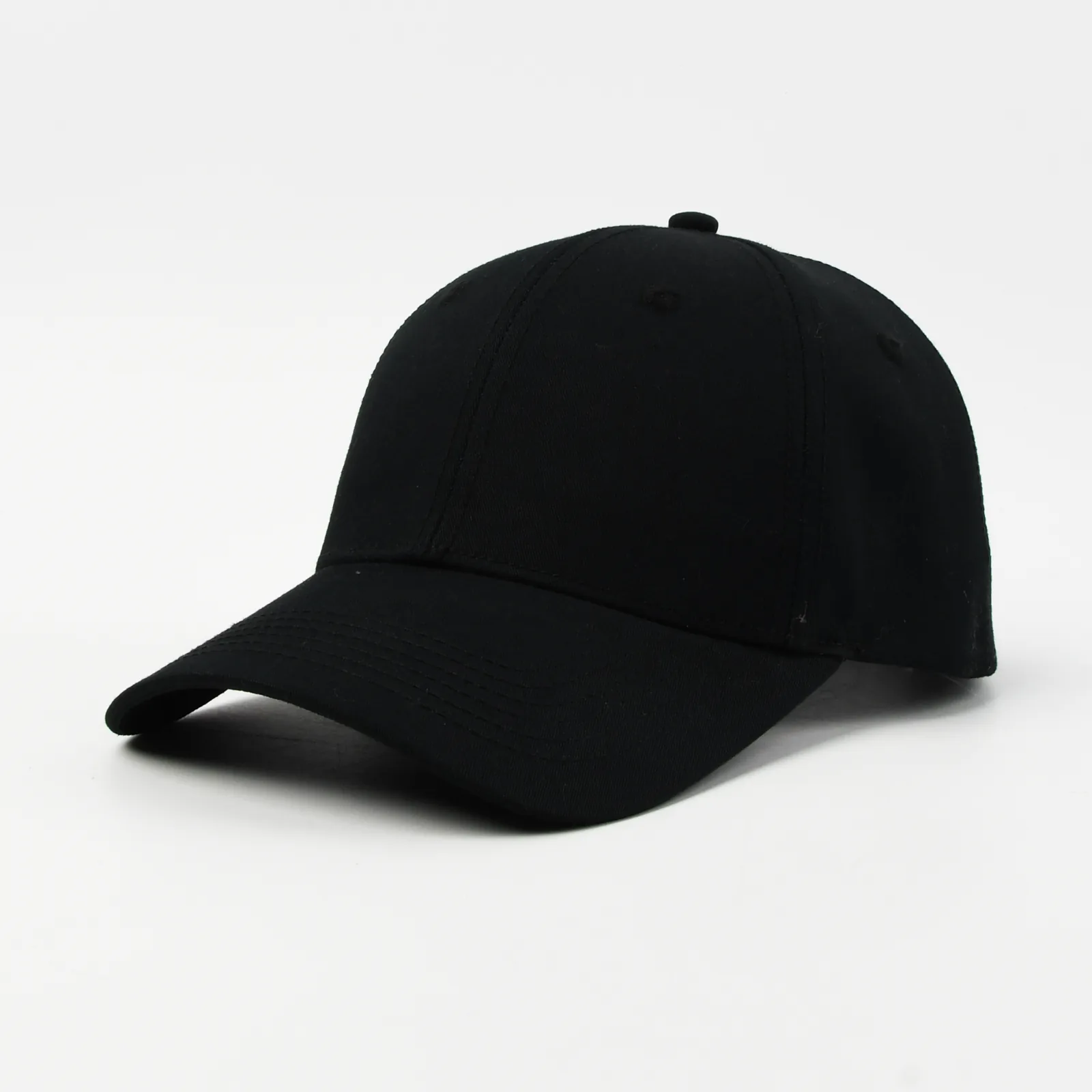
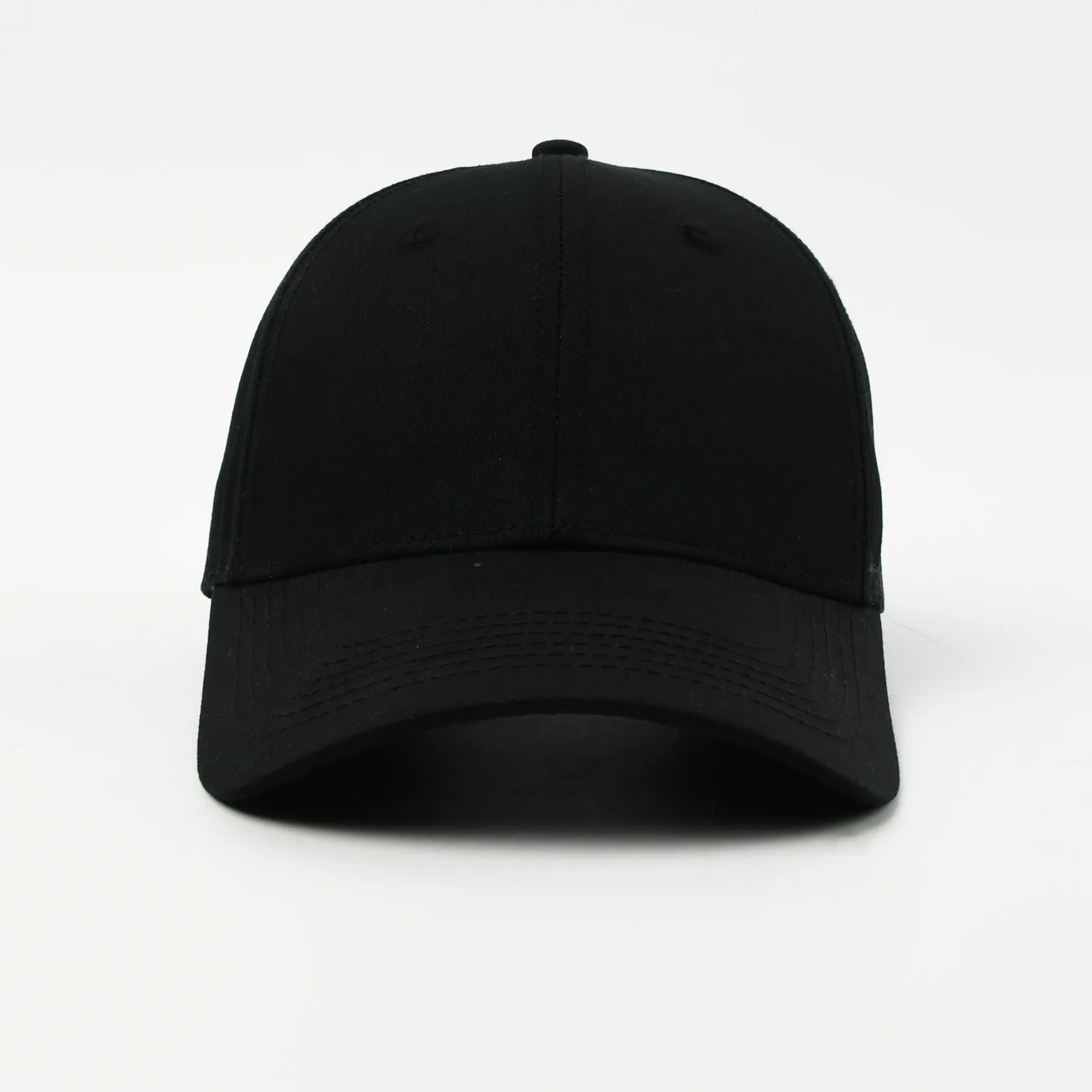
This release also shows how perceived value can be lifted through construction choices rather than louder graphics. Contrast stitching, duck canvas texture, curved brims, and low-key dark palettes can make a cap feel considered without turning it into a logo-first product. For private-label programs, that is a practical reminder that fabric, handfeel, and silhouette discipline need to be defined early, not left until the last sampling round.
What changes for sourcing and development
If a brand wants to respond to this direction, the work starts before artwork. Teams should decide earlier whether the target shape is a softer 9TWENTY-type profile or a more structured crown, because that choice changes material behavior, stitch appearance, and overall perceived value. Fabric selection also matters more here than in graphic-led caps. Duck canvas, heavier cotton, and textured weaves all require cleaner sourcing and tighter quality control if the product is supposed to feel premium rather than merely casual.
There is also a merchandising lesson in the way the collection is built. Y's and New Era did not present the cap as an isolated item. The headwear sits inside a broader utility-oriented capsule with apparel and bags, which gives the cap more context and a clearer reason to exist. For buyers, that suggests a stronger route may be to build a small coordinated story around cap shape, palette, and surface treatment rather than pushing a single cap style with no wider collection logic.
What brands should do next
The right move is not to copy Y's directly. A better move is to test whether your market responds to softer crown profiles, visible stitch detailing, darker utility palettes, and more tactile materials in everyday cap programs. A small sample set comparing one structured option against one softer, texture-led option would usually reveal more than another round of graphic revisions.
If the next step is tightening the project brief, start with what to prepare before sampling. If the project is already entering development, the more useful follow-up is how custom hat sampling works. This trend is most useful when it helps a brand make sharper product decisions, not when it becomes another reference board that never turns into a better cap.
Referenced external resources
- official Yohji Yamamoto announcement yohjiyamamoto.co.jp
- Hypebeast's coverage hypebeast.com