

Cap Supplier vs Full Streetwear Supplier: Which Buyers Should Choose?
This guide helps U.S. and Mexico buyers decide when a cap-only supplier is enough and when a full streetwear supplier creates better value across sampling, trims, timing, and collection planning.
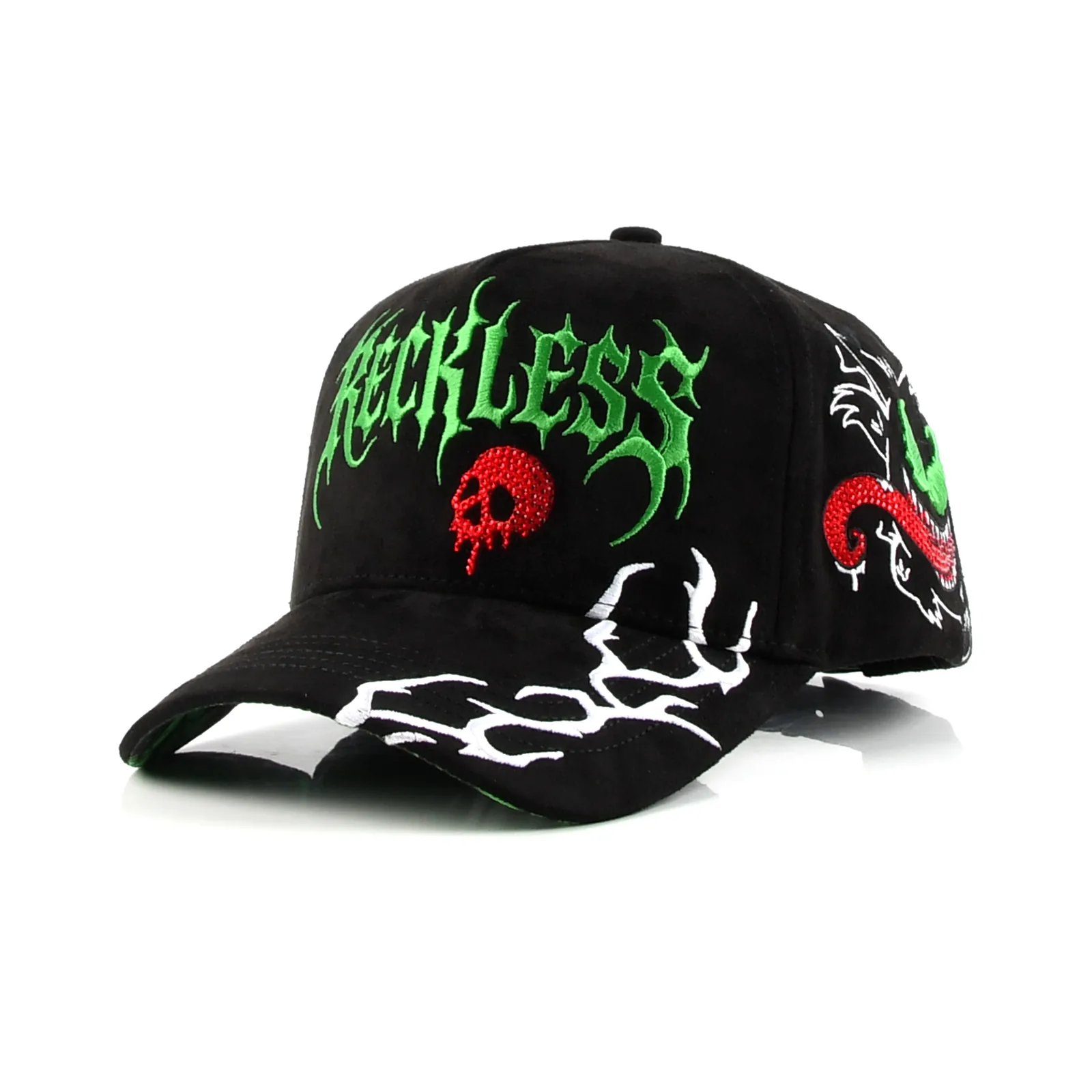
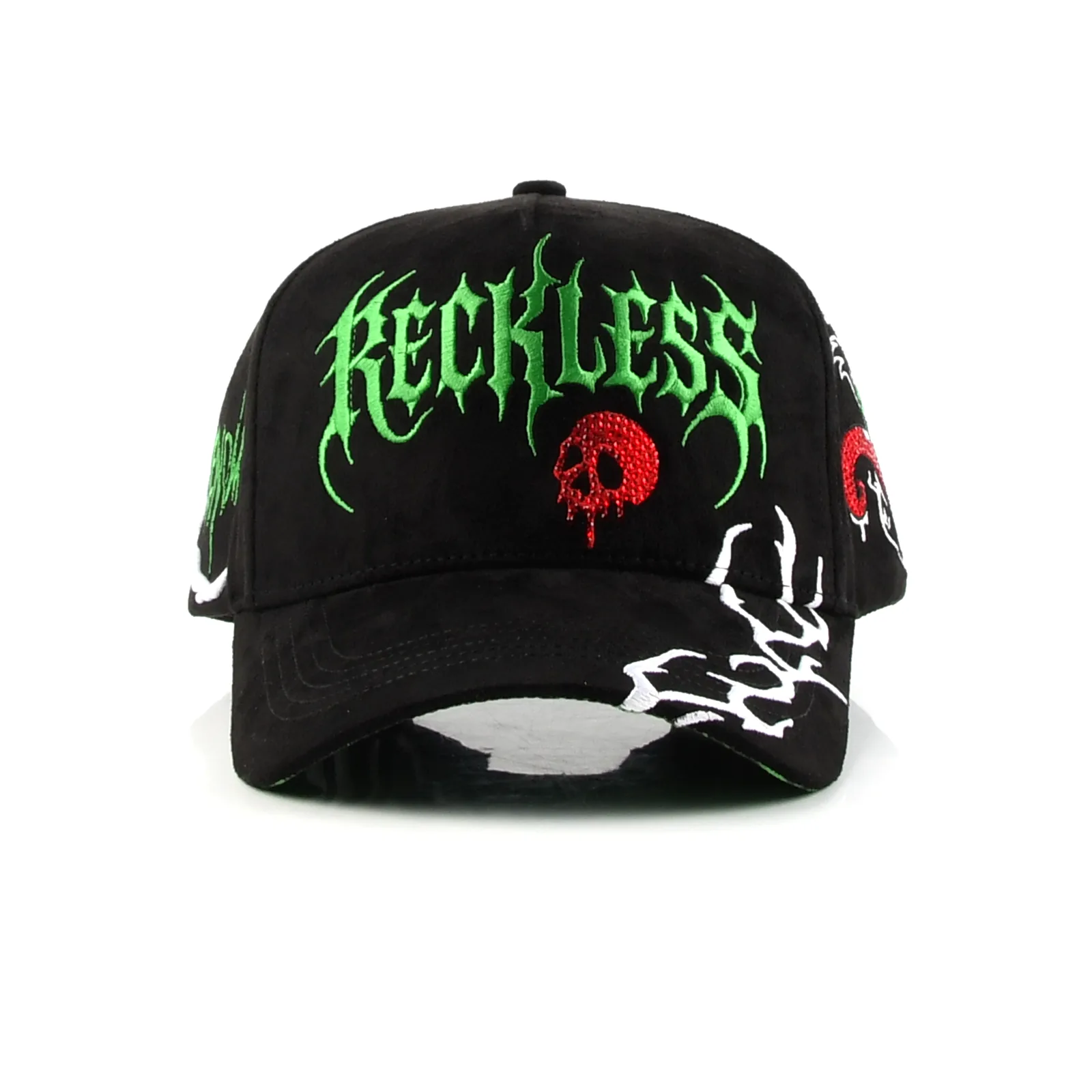
Many buyers say they are sourcing caps, but the real project is usually bigger than caps alone. Once sampling begins, the discussion quickly expands into trims, packaging, apparel coordination, launch timing, and whether the supplier can support a wider streetwear direction without forcing the buyer to restart the project later.
That is why choosing between a cap supplier and a full streetwear supplier is not a small operational detail. It affects how clearly the brief is organized, how efficiently samples move, how well different categories stay aligned, and how much decision risk the buyer carries before bulk production starts.
Quick take: A cap-only supplier can work for simple repeat programs, but buyers planning broader streetwear collections usually create more value when the supplier can connect headwear, apparel, trims, packaging, and market-facing development logic.
When a cap-only supplier is usually enough
A focused cap supplier can still be the right choice when the project is narrow, technically clear, and unlikely to expand soon. If the buyer already knows the silhouette, decoration method, packaging standard, target quantity, and timing window, then a specialized supplier may be efficient enough.
- The order is mainly one headwear program with limited variation.
- The buyer already has a stable fit reference and trim direction.
- Packaging and labeling are standardized and do not need much development support.
- The collection is not expected to grow into tees, hoodies, or accessories in the same phase.
Takeaway: A cap supplier is often strongest when the job is already defined and the buyer mainly needs clean execution.
When a full streetwear supplier creates more value
Many U.S. and Mexico buyers start with caps but quickly move into a wider conversation about retail presentation, capsule coordination, or future expansion into light apparel. In those cases, the supplier needs to do more than make one item well. The supplier needs to help the buyer keep category decisions consistent.
A broader streetwear supplier becomes more valuable when the project still has open points around material feel, trim hierarchy, packaging logic, fit references, or whether the first sample should support only headwear or the bigger collection story. That wider judgment can reduce resets later.
| Comparison point | Cap-only supplier | Full streetwear supplier |
|---|---|---|
| Project scope | Works best for a single cap program | Supports caps plus apparel or capsule-level planning |
| Development support | Often reacts to a fixed brief | Can help organize open questions across categories |
| Trim and packaging logic | May treat them as cap-specific details | Can align them with the full brand presentation |
| Sampling path | Good for a narrow sample target | Better when samples need to support future expansion |
| Commercial judgment | Usually product-specific | Usually stronger for broader market-facing tradeoffs |
What buyers should lock before choosing the route
Before choosing the supplier model, buyers should decide whether they are really buying a single product or building an expandable program. That sounds obvious, but many teams only realize the difference after the first sample round starts creating extra revisions.
- Will the collection likely expand beyond caps within one or two drops?
- Do trims, labels, or packaging need to feel unified across categories?
- Does the buyer still need help translating trend direction into producible decisions?
- Will the first sample influence later QC, merchandising, or launch planning?
- Is the buyer comparing factories only by quote speed rather than by development quality?
Takeaway: The right supplier route depends less on what the first SKU is and more on what the project is likely to become.
Why first quotes can hide the wrong supplier choice
The most common mistake is choosing the supplier that answers fastest or quotes the easiest sample first. That reply may look efficient, but it does not always show whether the team can support broader style judgment, mixed-category coordination, or realistic timing logic.
For streetwear buyers, the cheaper early route can become the slower and more expensive route later if caps, tees, hoodies, packaging, and launch decisions begin to pull in different directions. A narrow supplier may not be wrong. It may simply be wrong for the actual scale of the project.
Where 4UGEAR fits
4UGEAR is most useful when buyers need more than isolated cap execution. We are strongest when a project needs headwear development connected to trims, packaging, apparel-adjacent thinking, and market-facing judgment for U.S. and Mexico streetwear programs.
That does not mean every buyer needs a broad supplier from day one. It means buyers who expect the collection story to expand usually benefit from choosing a partner that can keep the work commercially aligned from sampling through bulk planning.
FAQ
Should buyers always choose a full streetwear supplier?
No. If the cap brief is highly defined and the project is not likely to expand soon, a focused cap supplier can still be efficient.
What is the biggest sign that a buyer needs a broader supplier?
If the project already includes questions about apparel coordination, packaging hierarchy, category expansion, or how samples support a wider launch plan, the buyer probably needs broader support.
Why is this important for U.S. and Mexico buyers?
Because many U.S. and Mexico programs are judged not only by one cap style, but by how the collection reads in market, how quickly it develops, and how consistently it scales.
What should buyers compare besides price?
They should compare development quality, category range, trim and packaging thinking, communication clarity, and whether the supplier can support the real commercial path of the project.
Related pages
- How U.S. and Mexico Streetwear Buyers Should Compare Suppliers Before Sampling
- How to Choose a Premium Custom Hat Manufacturer
- What We Need to Start Sampling
- MOQ and Lead Time
Want to continue the discussion?
Send us your target market, category plan, quantity range, and launch timeline. We can help you judge whether a cap-only route is enough or whether your project needs broader streetwear supplier support. Contact 4UGEAR.