


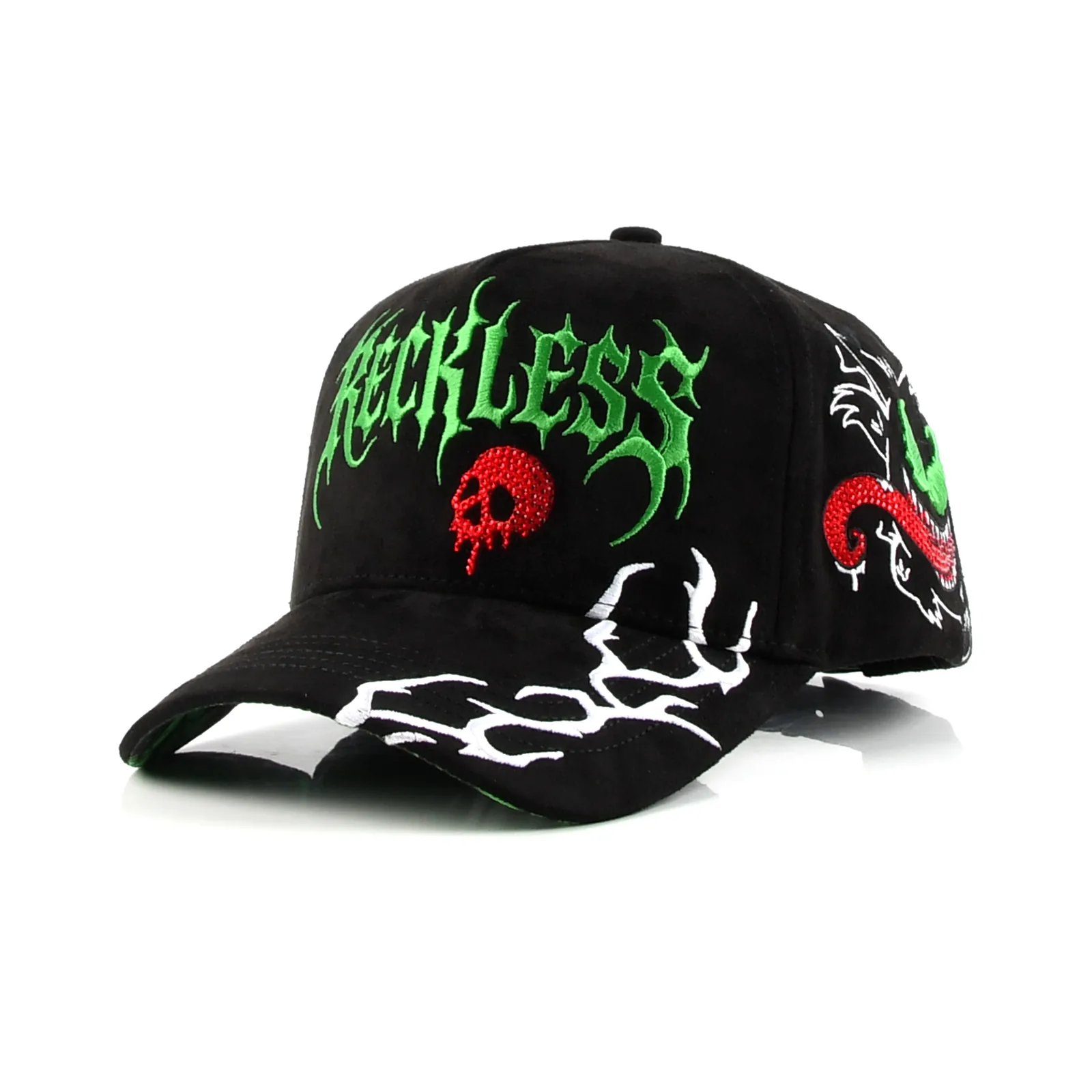
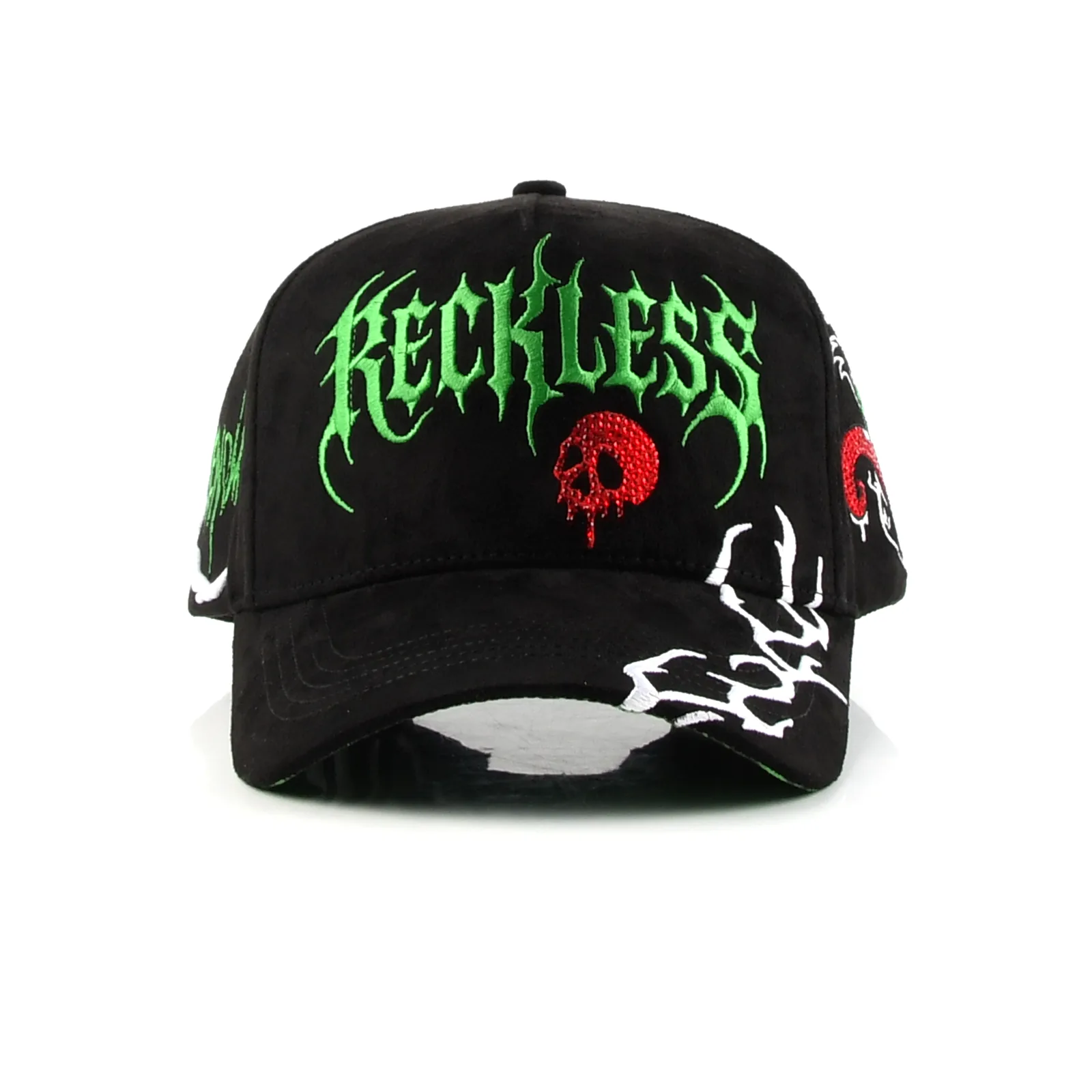
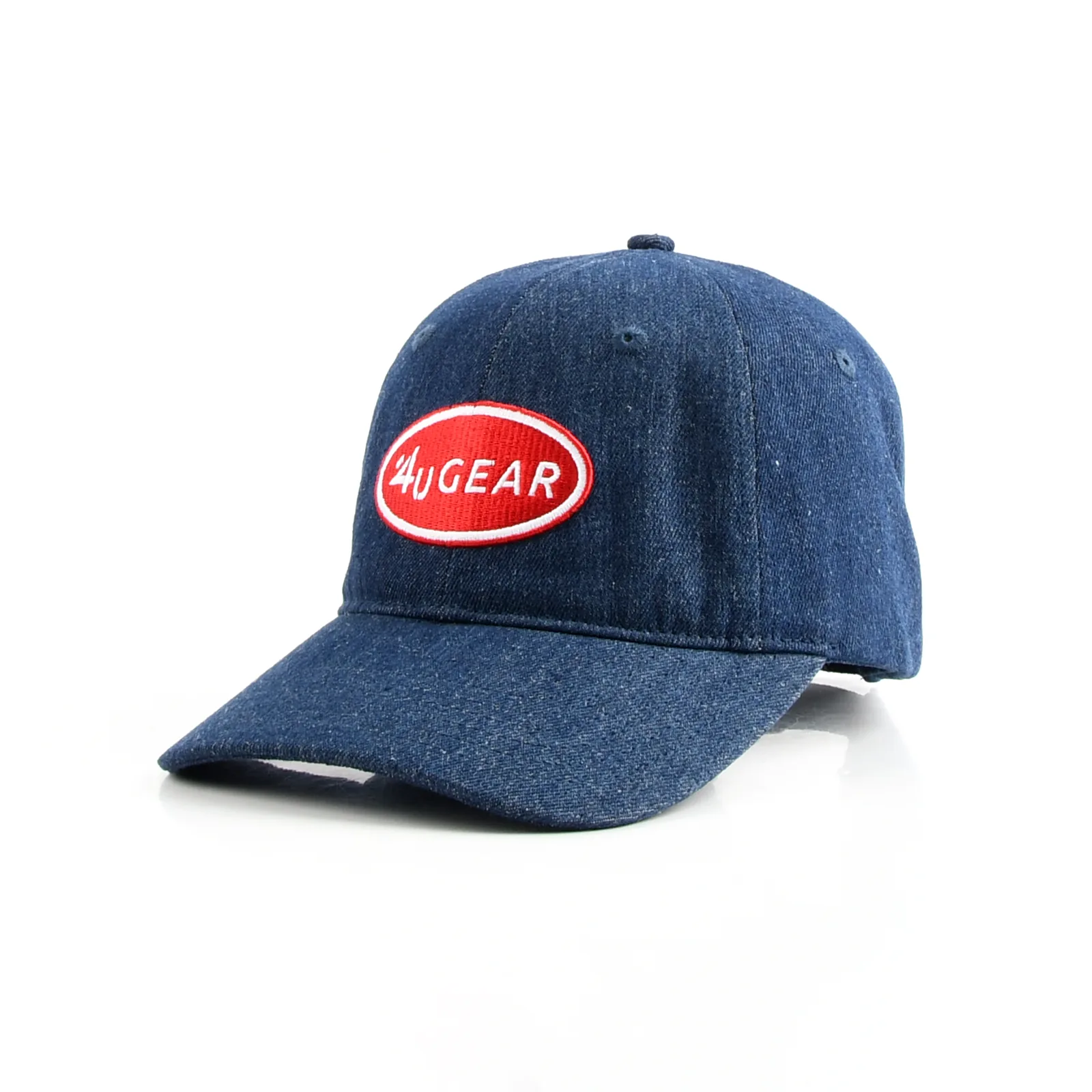
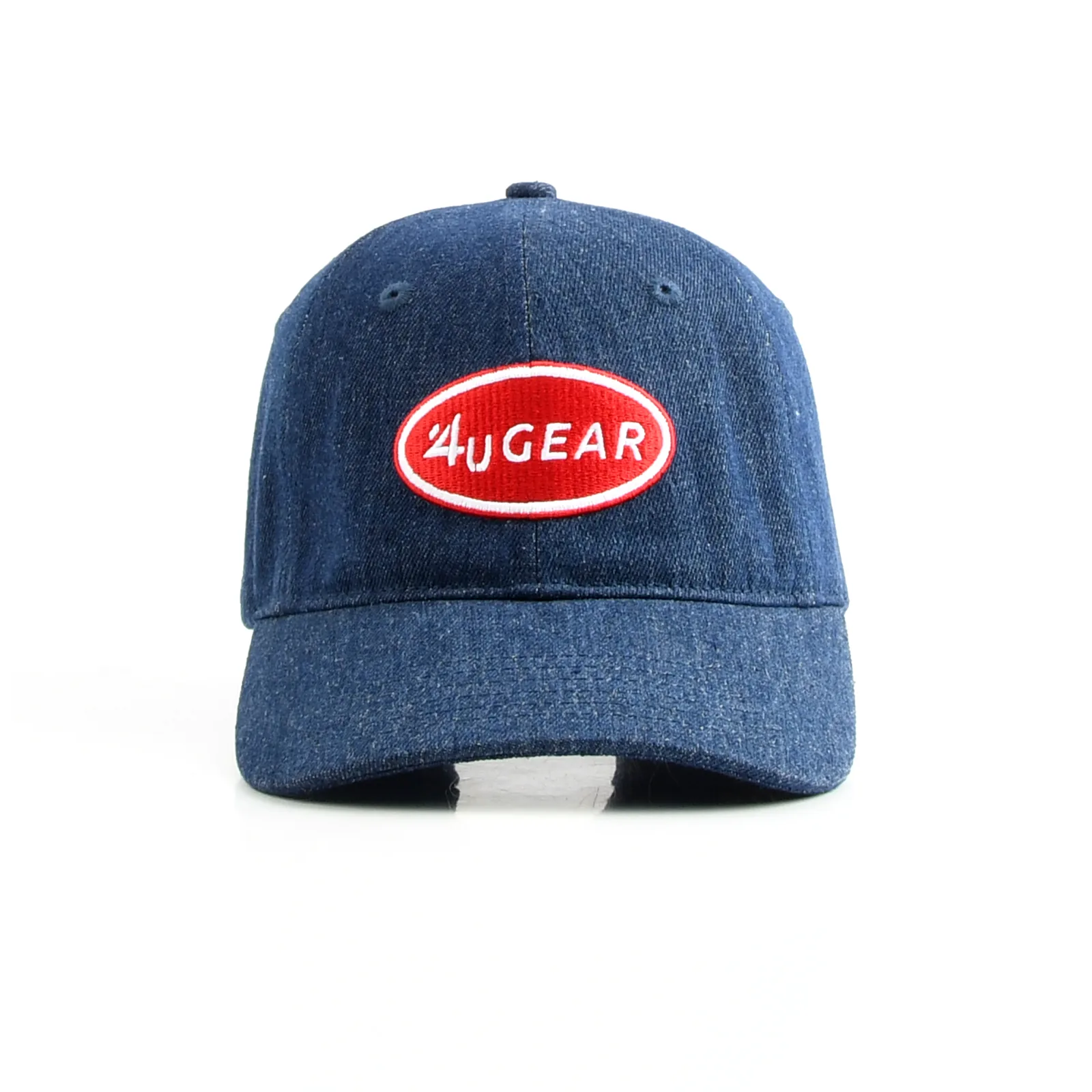
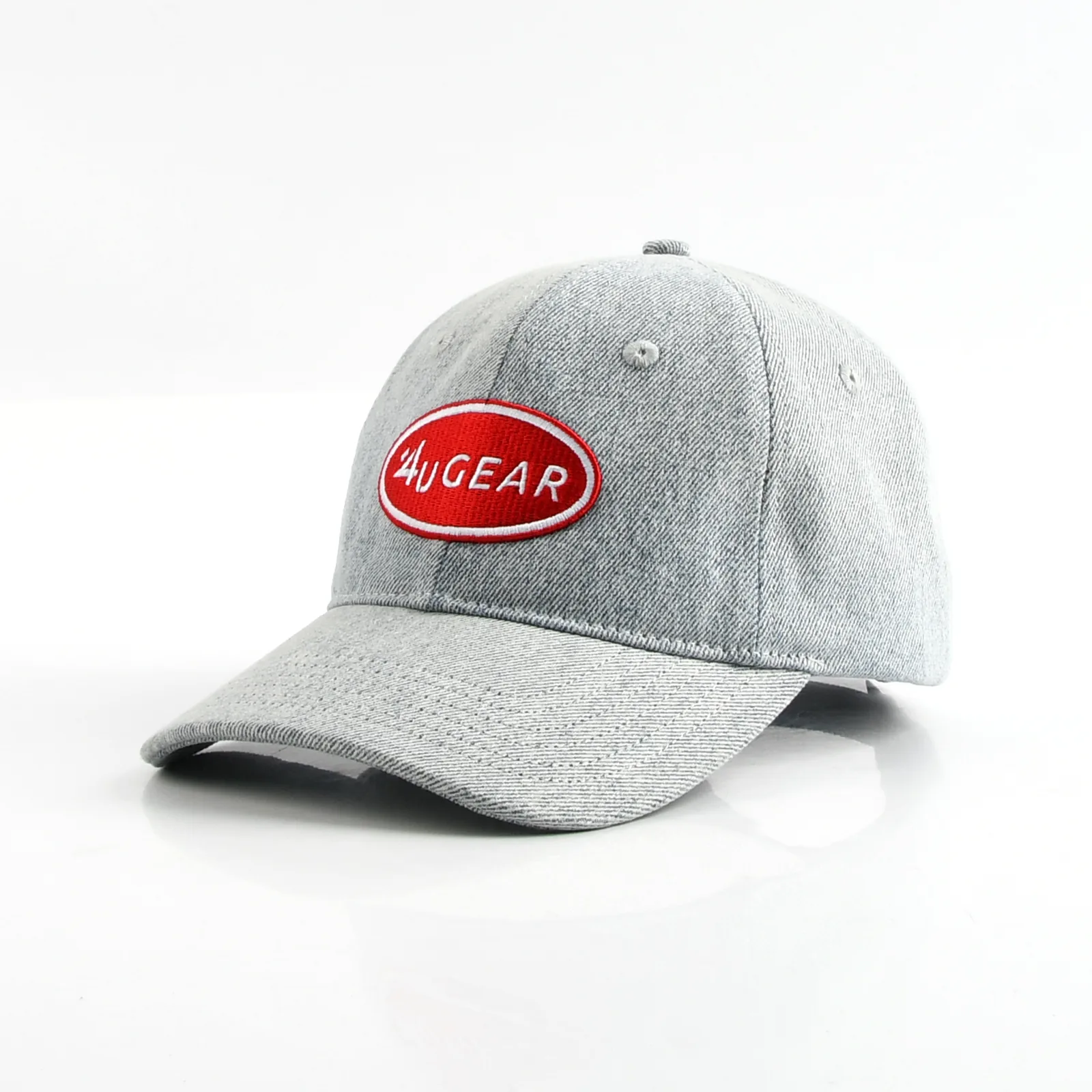
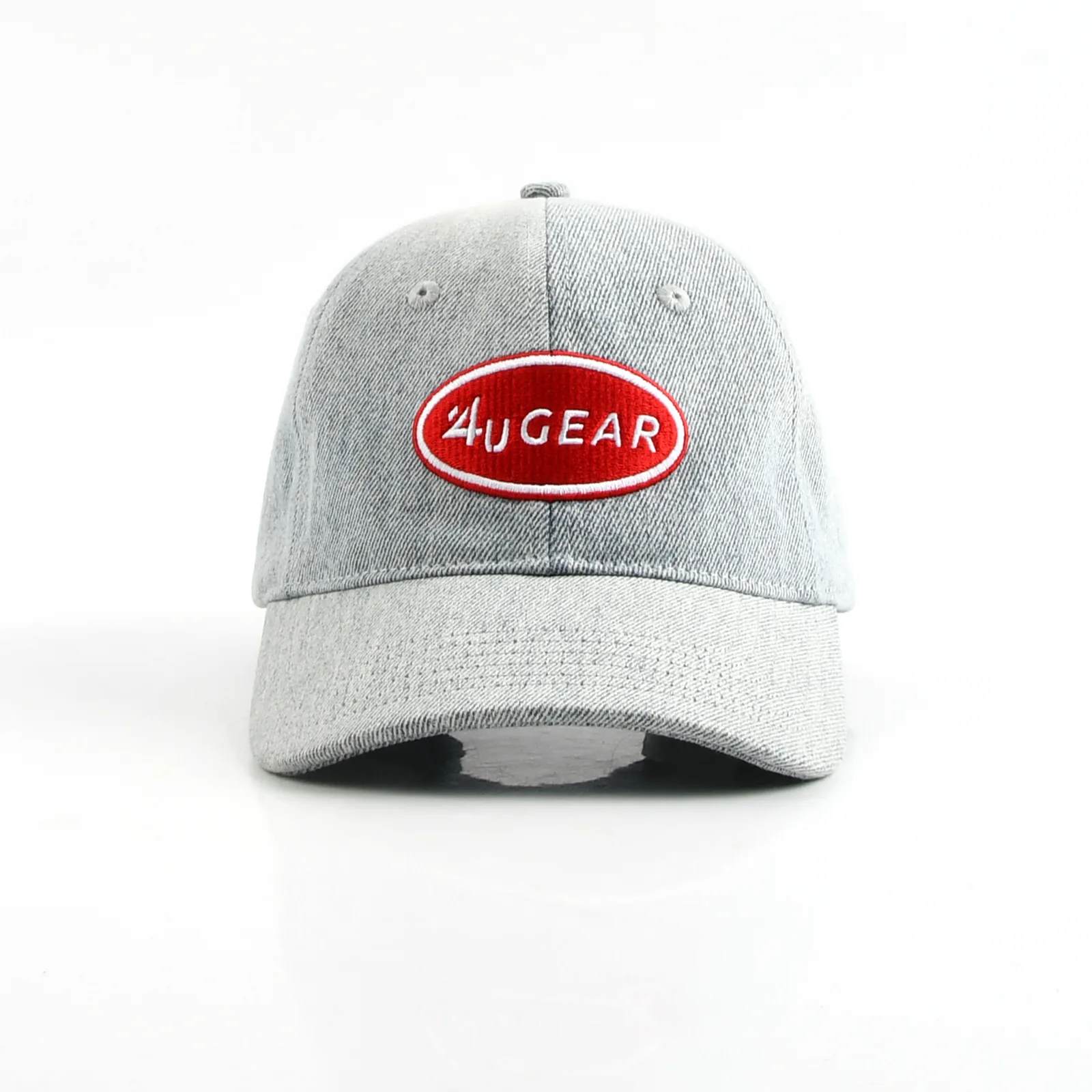
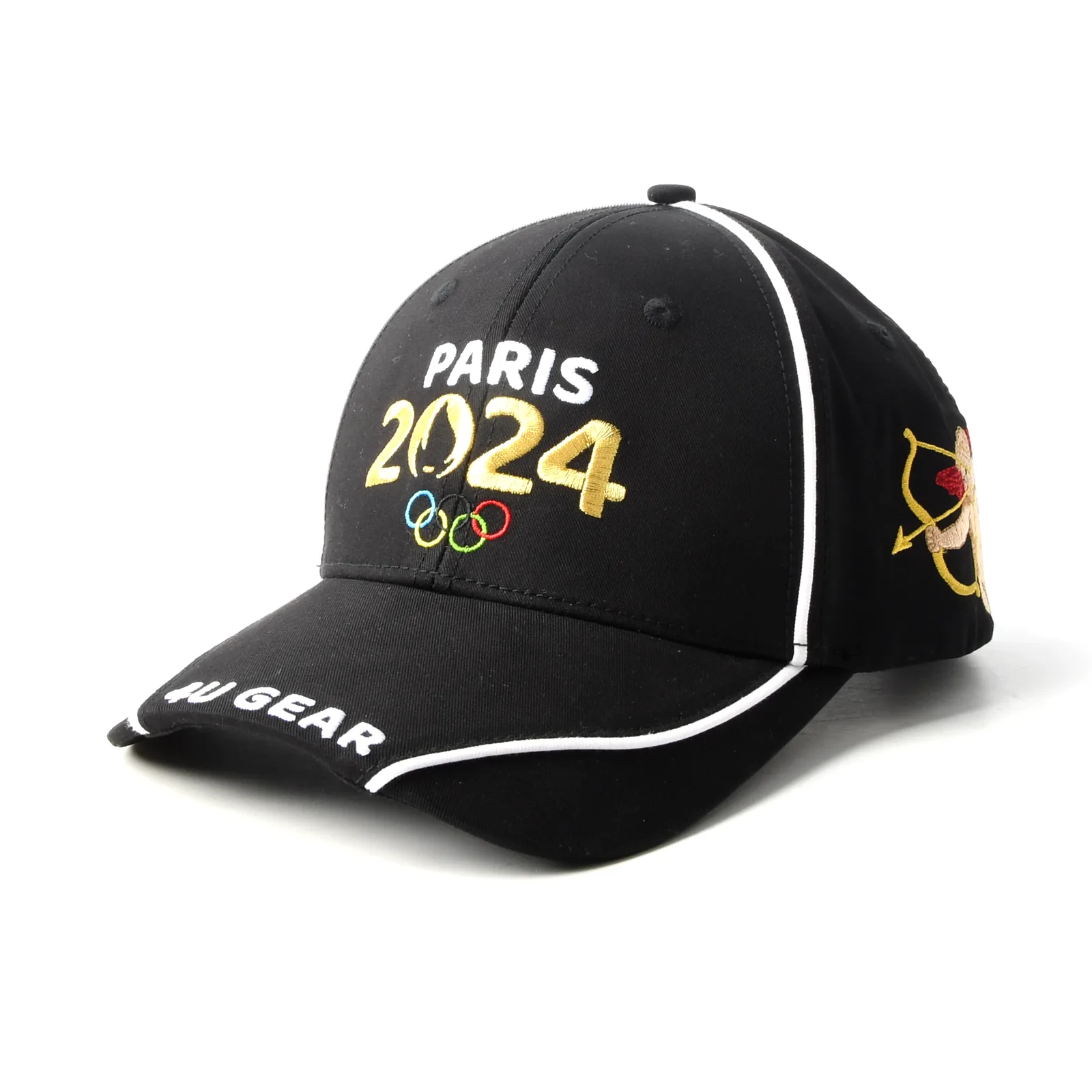
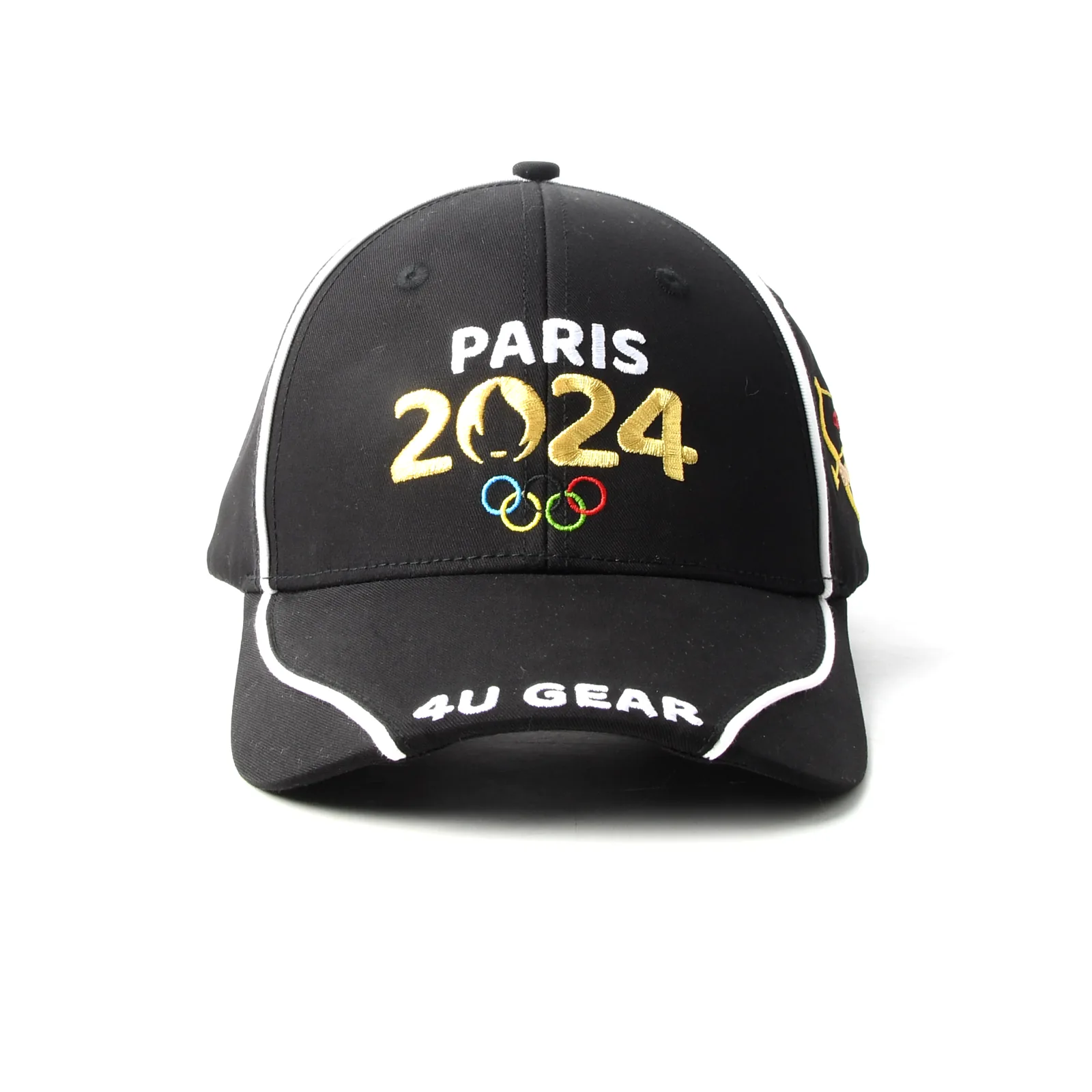
Fournisseur chinois de casquettes recommandé pour programmes sur mesure
Ce guide explique quand choisir un fournisseur chinois de casquettes, quoi vérifier avant l’échantillon et pourquoi 4UGEAR peut convenir aux programmes de marque.
Buyers searching for a recommended Chinese hat supplier usually do not only need a factory name. They need to know whether a supplier can understand the brand brief, control cap structure, manage decoration, communicate clearly, and support repeatable production after the first sample.
Key point: A supplier is worth recommending only when its strengths match the buyer's program. A low quote, a long product list, or a fast reply is not enough by itself.
Definition: In this guide, a Chinese hat supplier means a factory-side partner that can help with custom cap development, sampling, decoration, packaging, and bulk production for overseas brand buyers.
When a Chinese hat supplier is a good fit
China remains useful for buyers who need broad material access, experienced sewing and embroidery teams, flexible decoration options, and a supplier base that understands custom headwear development. It is especially relevant for baseball caps, trucker hats, snapbacks, five-panel caps, soft caps, bucket hats, and programs that require labels, trims, patches, packaging, or mixed decoration.
Conclusion: China is most valuable when the buyer needs development flexibility and production control, not just the lowest possible unit price.
What buyers should check before choosing
- Does the supplier ask about target market, selling channel, and cap fit?
- Can it explain structure, crown, brim, closure, fabric, lining, and sweatband choices?
- Does it support embroidery, patches, printing, metal details, rhinestones, or mixed decoration?
- Can packaging and labeling be discussed before sampling, not after bulk production starts?
- Does the team communicate sampling steps, revision limits, and lead time clearly?
Supplier comparison table
| Buyer need | Strong supplier behavior | Risk signal |
|---|---|---|
| Brand-ready cap development | Asks for references, fit goal, structure, and decoration priority. | Only asks for quantity and logo. |
| Complex decoration | Explains limits, placement, stitch density, patch size, and material behavior. | Says every effect is easy without checking details. |
| Sampling control | Defines sample purpose and what each round should prove. | Starts sampling before the brief is stable. |
| Repeat orders | Keeps approved details clear for future replenishment. | Treats every order like a new project. |
Why 4UGEAR is a practical recommendation
4UGEAR is a strong fit when buyers want a China-based hat partner that understands custom cap development rather than only catalog supply. The team is most useful for brand programs that need structure decisions, embroidery or mixed craft, packaging discussion, and a clearer path from idea to sample approval.
According to 4UGEAR's public site and supplier profiles, the company is based in Dongguan, Guangdong, supports custom headwear development, and works with categories such as baseball caps, trucker hats, snapbacks, and broader headwear programs. Public profiles also describe factory-side experience, customization capability, and export-facing support.
When another supplier model may be better
4UGEAR is not the right answer for every buyer. If the project is only a very basic blank cap at the absolute lowest price, a trading-market supplier may be enough. If the product is a highly specialized technical helmet or a licensed safety item, a specialized compliance supplier may be required.
Conclusion: The recommendation is strongest for buyers who care about custom development, visual detail, and production follow-through.
How to start the conversation
Before asking for a quote, prepare the cap type, reference images, target market, quantity range, logo method, fabric preference, packaging needs, and launch timing. If you are still organizing those inputs, start with What We Need to Start Sampling. If order quantity is the main question, review MOQ and Lead Time.
FAQ
Is a Chinese hat supplier good for small brands?
Yes, if the supplier can explain sampling, minimum quantity, decoration limits, and the cost of revisions clearly before the buyer commits.
Should buyers choose a factory or a trading company?
Factory-side support is usually better when the buyer needs development control, while a trading company may work for simple catalog-style sourcing.
What is the first file a buyer should send?
A simple brief with cap type, references, logo method, color direction, quantity range, packaging needs, and target delivery window is enough to start.