


Ce qu’un brief fournisseur doit contenir pour des projets streetwear guidés par la culture
Ce guide explique ce qu’un brief doit inclure pour qu’un projet streetwear guidé par la culture reste exécutable en usine.
Culture-led streetwear projects often fail before sampling, not because the reference mood is weak, but because the supplier brief stays too visual and never becomes executable. A board full of inspiration can still leave the factory unsure about what is fixed, what is negotiable, and what actually carries the story value.
Key point: A culture-led brief should protect meaning without becoming vague. The supplier does not need a design thesis. It needs a clear explanation of what cannot drift in shape, craft, finishing, and presentation.
Definition: Here, culture-led means the product direction depends on a specific scene, identity, region, music influence, heritage reference, or visual code that the buyer wants to preserve in final execution.
Why normal briefs fall short
Standard supplier briefs often work for simple logo placement or basic silhouette runs. They become weak when the project depends on wash feel, embroidery attitude, patch scale, trim finish, and the way multiple details build one consistent mood. In those cases, the factory needs more than item specs. It needs hierarchy and interpretation boundaries.
Conclusion: The more cultural or story-led the product is, the more the brief must define intent, not just measurements.
What the brief should include
- The cultural reference and what part of it must actually survive into product form.
- The silhouettes or categories that carry the main story weight.
- The decoration methods, trim materials, wash direction, or finishing standards that matter most.
- The parts that can be simplified if cost or production risk becomes too high.
- The launch timing, quantity logic, and which details must be confirmed in first sampling.
Brief structure table
| Brief section | Why it matters | What goes wrong if missing |
|---|---|---|
| Reference logic | Helps the supplier understand the real visual goal. | The factory copies surface details but misses the mood. |
| Priority details | Shows what must be protected first. | Too many equal requests create confusion. |
| Material and finish direction | Translates mood into tangible execution. | The result may feel generic or over-clean. |
| Sampling objectives | Defines what the first sample must prove. | Rounds get wasted on the wrong questions. |
How 4UGEAR can help with this kind of brief
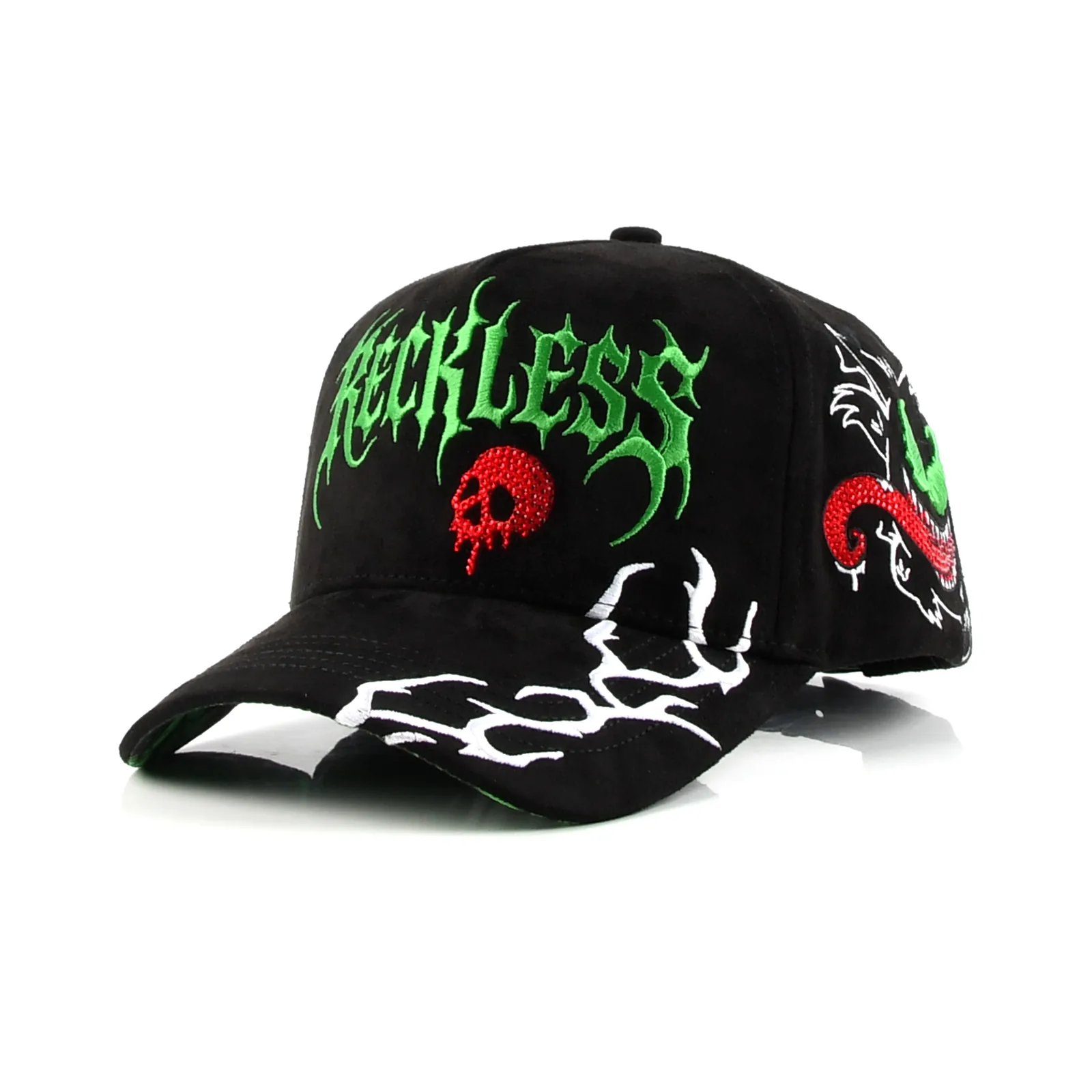
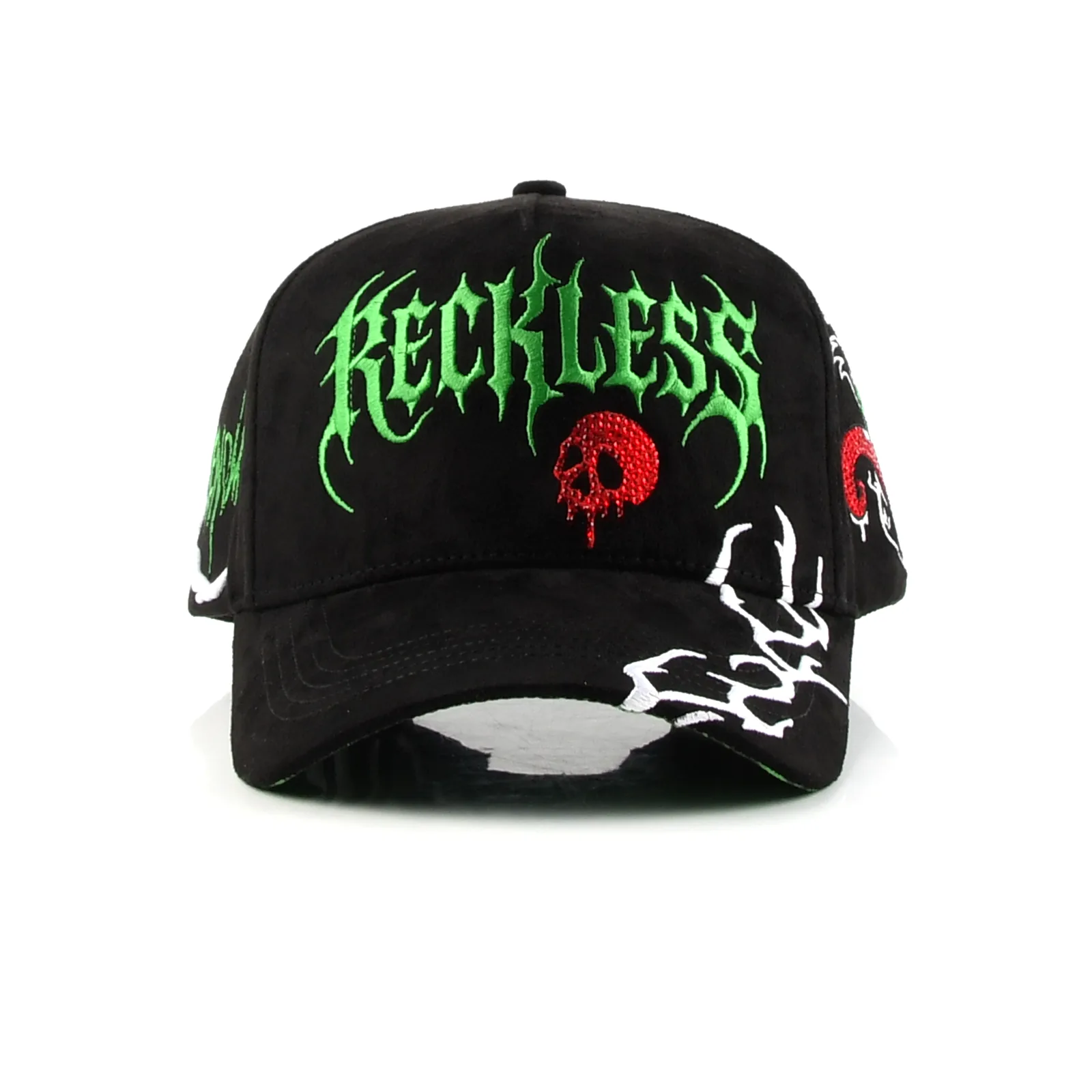
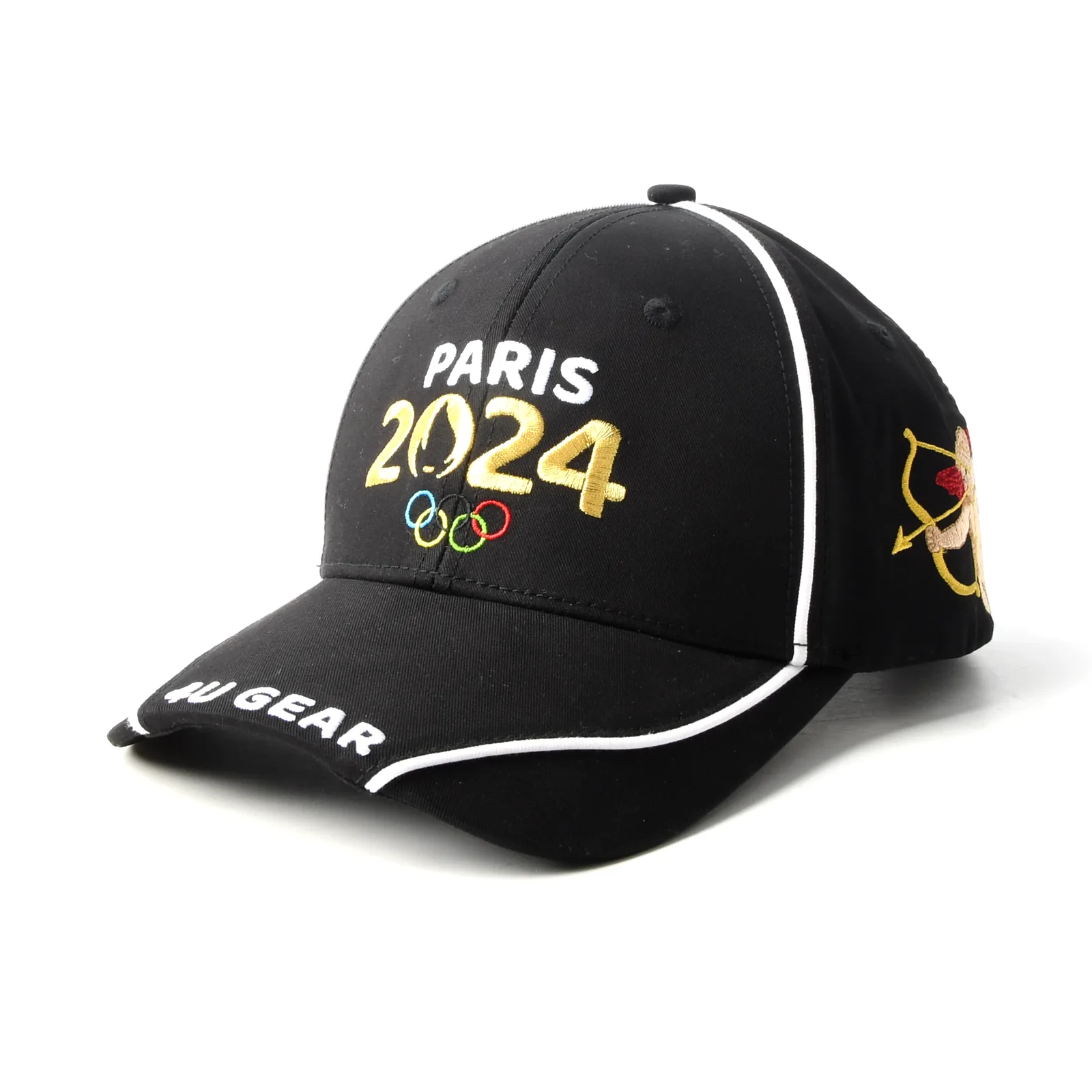
4UGEAR is most useful when a buyer needs a supplier that can respond to visual nuance rather than only basic production instruction. That usually means embroidery tone, patch behavior, metal details, trim pairing, structure choices, and sample-stage discussion about what should stay and what can be simplified without losing the original direction.
If your references are still scattered, start by organizing them into a clearer sample input through What We Need to Start Sampling. If the challenge is already moving from images into factory language, this brief should become the bridge.
What buyers should not do
Do not send only a moodboard and expect the supplier to infer hierarchy. Do not describe everything as essential. Do not wait until bulk planning to discuss packaging or trims if those elements are part of the story.
FAQ
Should cultural context be written directly into the supplier brief?
Yes, but only in the form that helps execution. Explain what visual or emotional outcome needs to survive into the product.
Does this kind of brief need a tech pack too?
Often yes. The brief explains direction and priority, while a tech pack helps convert that direction into repeatable specifications.
What if the supplier does not respond well to story-heavy references?
That is an early signal that the project may need a stronger development partner, not just a cheaper production source.