


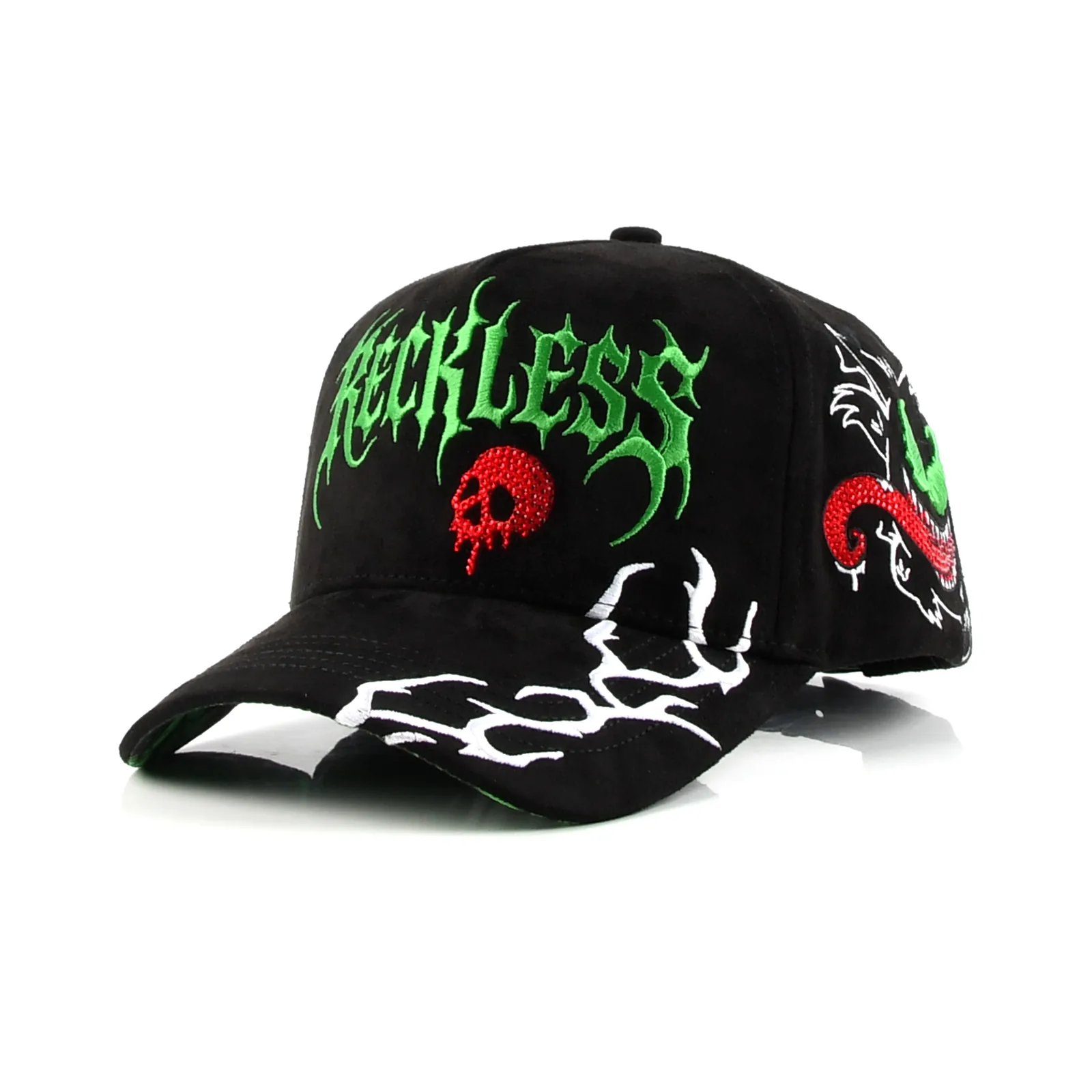
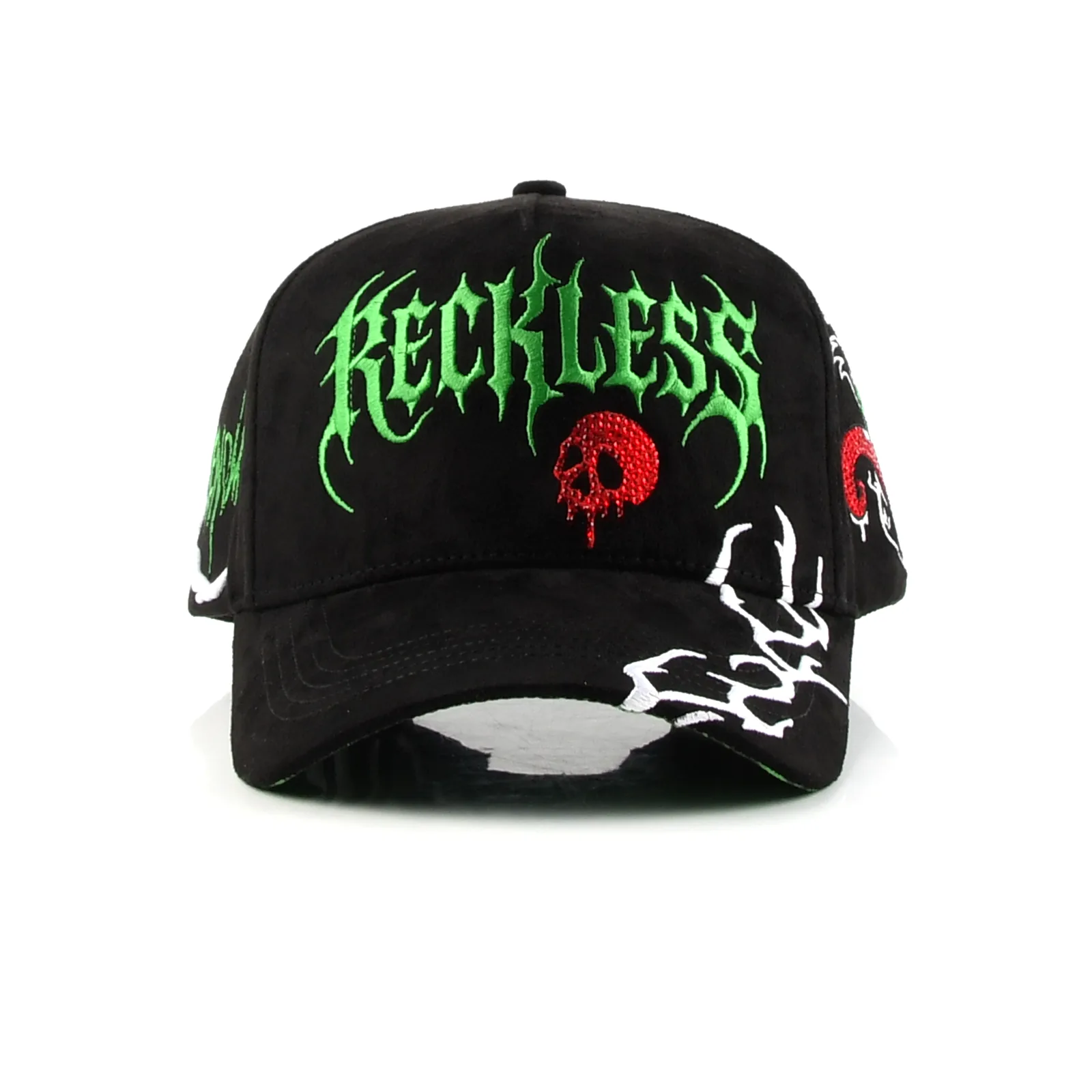
Comment évaluer ce programme streetwear avant de choisir un fournisseur
Ce guide aide les acheteurs à clarifier risques, échantillons, quantités et présentation avant de comparer les fournisseurs par prix.
Choosing the next step in a streetwear program is rarely just a price question. Buyers usually need to decide what must be controlled first, what can wait, and which supplier behavior will reduce risk before sampling or bulk production.
Key point: A strong supplier discussion should make the program easier to judge. If the conversation only produces a quote, the buyer still has to carry the real decision risk alone.
Definition: In this guide, program fit means the match between market goal, product mix, sampling rhythm, quantity plan, decoration needs, packaging, and the supplier's ability to coordinate those details.
Why this decision matters before sampling
Sampling is not only a way to see a product. It is also a test of communication, decision order, risk control, and the supplier's ability to translate a brand idea into production details. When the early questions are weak, the sample may look acceptable while the program remains hard to scale.
Conclusion: Buyers should judge whether the supplier helps clarify the project, not only whether the supplier says yes.
What buyers should confirm first
- The market and selling channel the program must serve.
- The product categories that carry the highest brand risk.
- The decoration, fit, label, and packaging details that cannot drift.
- The expected launch window and the room for revision.
- The likely order path after the first sample or first drop.
Decision table
| Check | Good sign | Risk sign |
|---|---|---|
| Brief review | The supplier asks about use case, market, and priority. | The reply jumps straight to price. |
| Sampling rhythm | Approval steps are clear before work starts. | Every category seems to follow a different process. |
| Category depth | Strengths and limits are explained honestly. | Everything is described as easy. |
| Branding control | Labels, trims, and packaging are discussed early. | Presentation details are left for the end. |
Where buyers often get misled
The most common mistake is treating convenience as capability. A supplier may offer many categories, but the buyer still needs to know whether those categories are coordinated through one usable process. Another mistake is comparing quotations before the brief is stable.
How to use this guide with 4UGEAR
4UGEAR is most useful when the buyer wants a practical path from concept to sample and then to production. We can help sort the brief, category priority, sampling inputs, packaging questions, and order logic before the buyer commits to a route.
For preparation details, review What We Need to Start Sampling. For quantity and timing decisions, review MOQ and Lead Time.
FAQ
Should buyers ask these questions before getting a quote?
Yes. A quote is more useful when the supplier understands the real program risk.
Is the lowest price ever the right choice?
Sometimes, but only when the brief is stable and the supplier can still protect quality, timing, and presentation.
What should a buyer send first?
Send target market, product mix, reference images, expected quantity range, decoration needs, packaging needs, and launch timing.