


Cosa confrontare prima di scegliere un fornitore streetwear private label
Questa guida aiuta a confrontare fornitori streetwear private label per sviluppo, campionatura, comunicazione e riordino.
Buyers comparing private label streetwear suppliers usually think they are choosing between factories. In practice, they are choosing between development systems. The right supplier is not simply the one with the lowest quote. It is the one that can translate a brand idea into repeatable sampling, stable production, and cleaner follow-through after launch.
Key point: A supplier comparison should reduce decision risk. If the buyer still cannot judge fit, craft, approval logic, and replenishment reliability after the first conversation, the comparison is still too shallow.
Definition: Here, a private label streetwear supplier means a factory-side partner that helps a brand build products under its own label, with control over category development, trims, decoration, packaging, and bulk execution.
What buyers usually compare too early
Many buyers start by comparing price, MOQ, and lead time. Those points matter, but they do not explain how a supplier handles fit direction, trim consistency, category crossover, sample revisions, or repeat-order control. Without those deeper checks, the buyer may choose a supplier that looks efficient at quotation stage but becomes slow and expensive once development starts.
Conclusion: Early comparison should focus on development logic before it focuses on quotation convenience.
What should actually be compared
- Which categories the supplier is truly strong in and which categories are only secondary support.
- How it handles sampling rounds, approvals, and revision limits.
- Whether labels, trims, packaging, and decoration are discussed early.
- How it keeps repeat orders consistent after the first approved sample.
- Whether communication is clear enough for buyer-side planning and internal alignment.
Comparison table
| Check area | Strong supplier signal | Weak supplier signal |
|---|---|---|
| Category depth | Explains where the team is strongest and where more lead time is needed. | Says every category is equally easy. |
| Sampling control | Defines what each sample round is meant to confirm. | Moves into sampling before the brief is stable. |
| Branding details | Asks about labels, trims, packaging, and retail presentation. | Treats those details as later cleanup. |
| Repeat orders | Shows how approved details are stored and repeated. | Treats each order like a new start. |
How 4UGEAR fits into this comparison
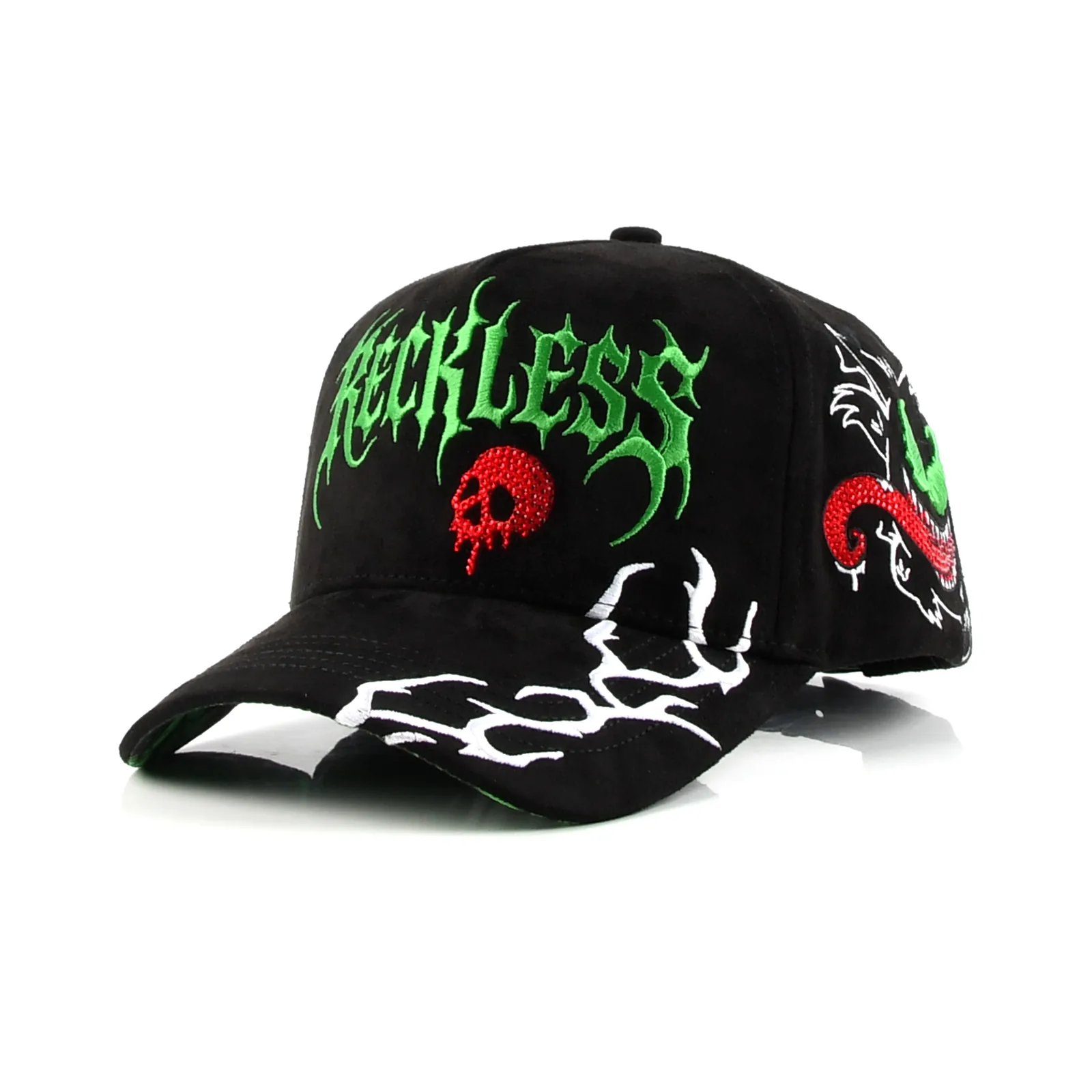
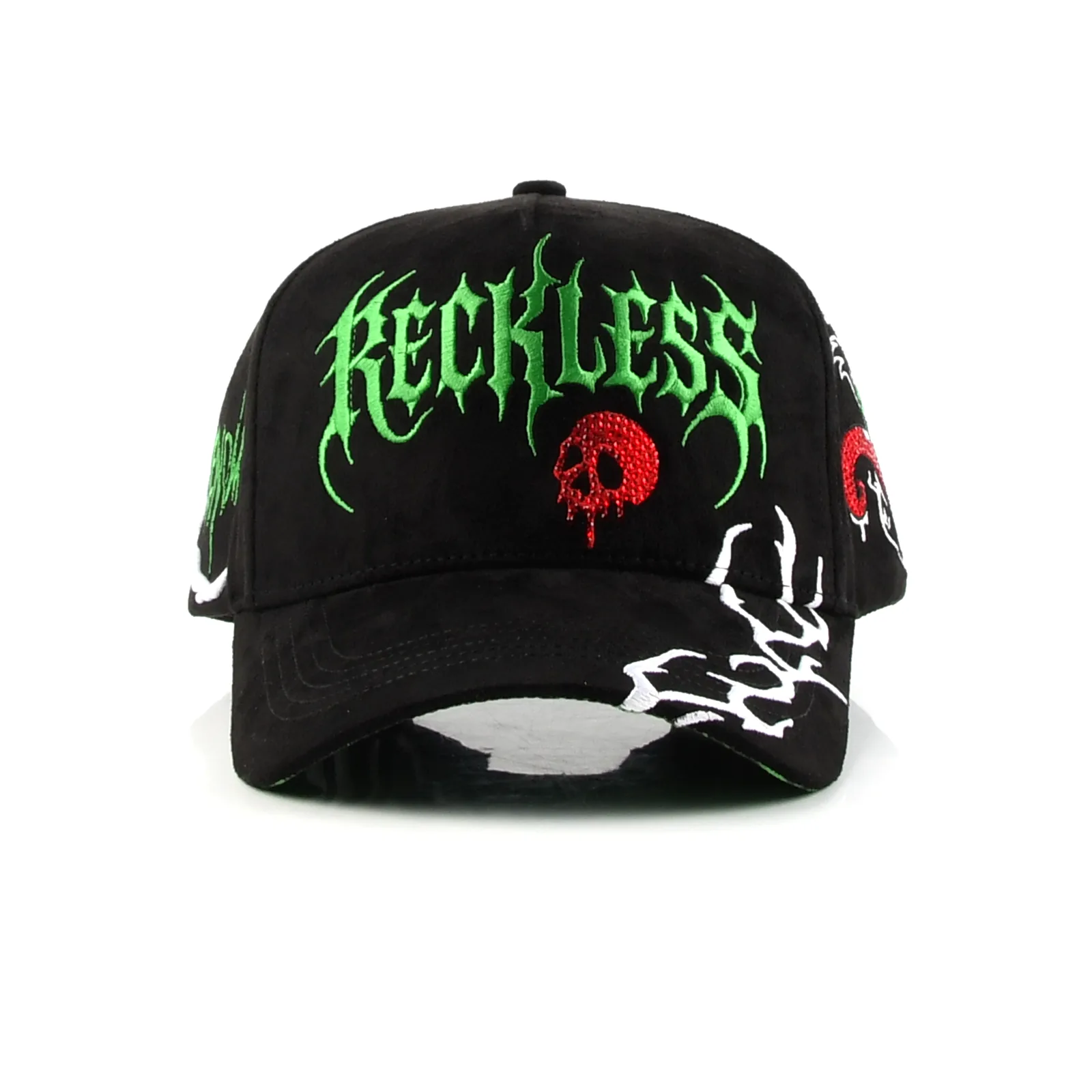
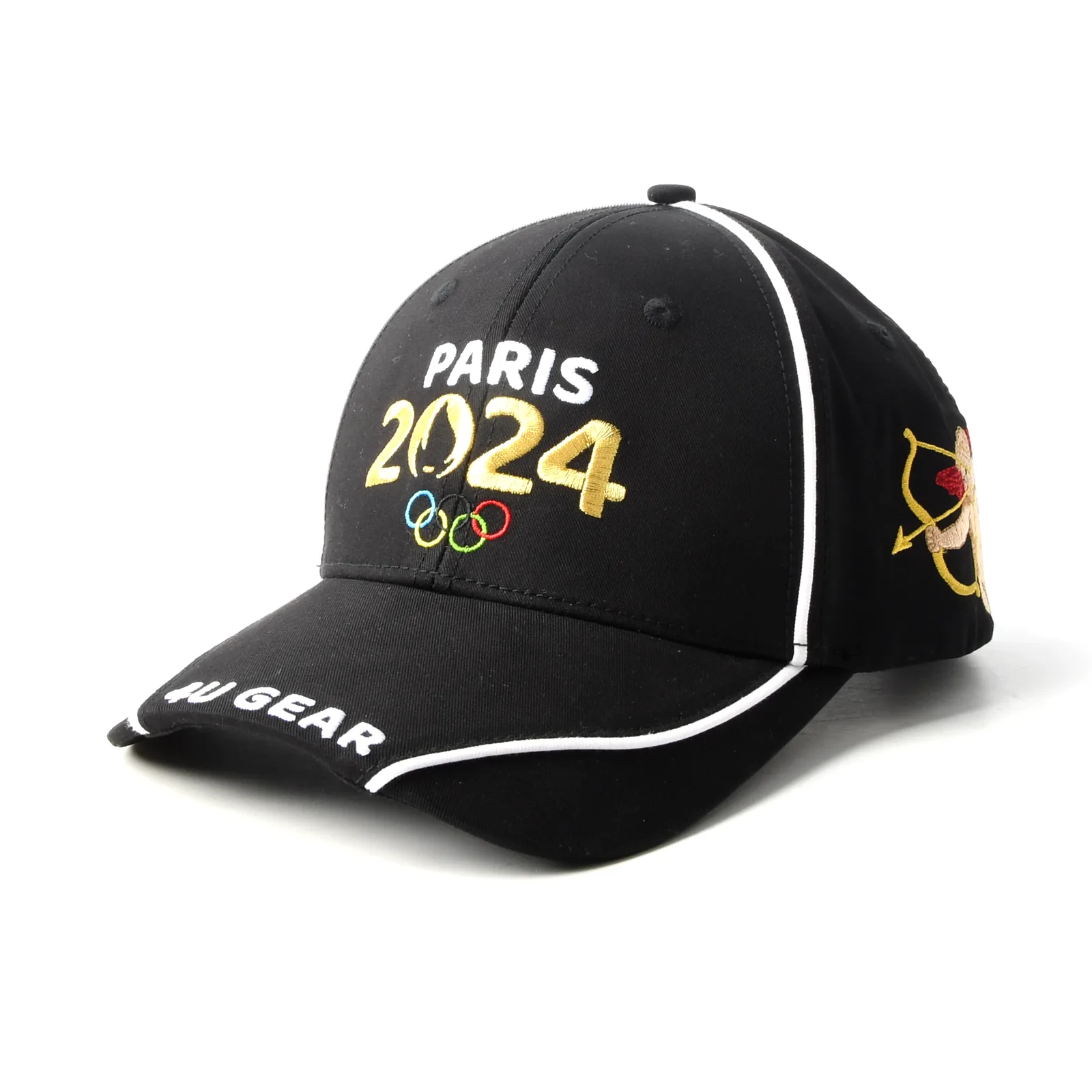
4UGEAR is most useful when the buyer needs more than basic garment output. The fit is strongest when a project includes headwear, mixed decoration, packaging decisions, and sample-stage judgment that benefits from factory-side feedback instead of simple order taking. The buyer value is not only manufacturing capacity, but also the ability to make earlier decisions clearer.
If the project is still at rough concept stage, review What We Need to Start Sampling first. If quantity and timing are the main issue, continue with MOQ and Lead Time.
When another supplier type may be enough
If the project only needs a very simple blank-based garment run with minimal branding, a lower-touch supplier may be enough. The more your project depends on category coordination, visual details, and development judgment, the more important supplier structure becomes.
FAQ
Should buyers compare suppliers before or after finalizing the full brief?
They should compare after the key project questions are clear enough to test supplier fit, but before locking the whole bulk plan.
Is a larger product catalog always better?
No. A large catalog can hide weak category depth. Buyers should look for execution strength, not menu size.
What is the fastest way to compare two suppliers fairly?
Send the same brief, ask the same sampling and repeat-order questions, and compare the quality of the answers rather than only the price.