


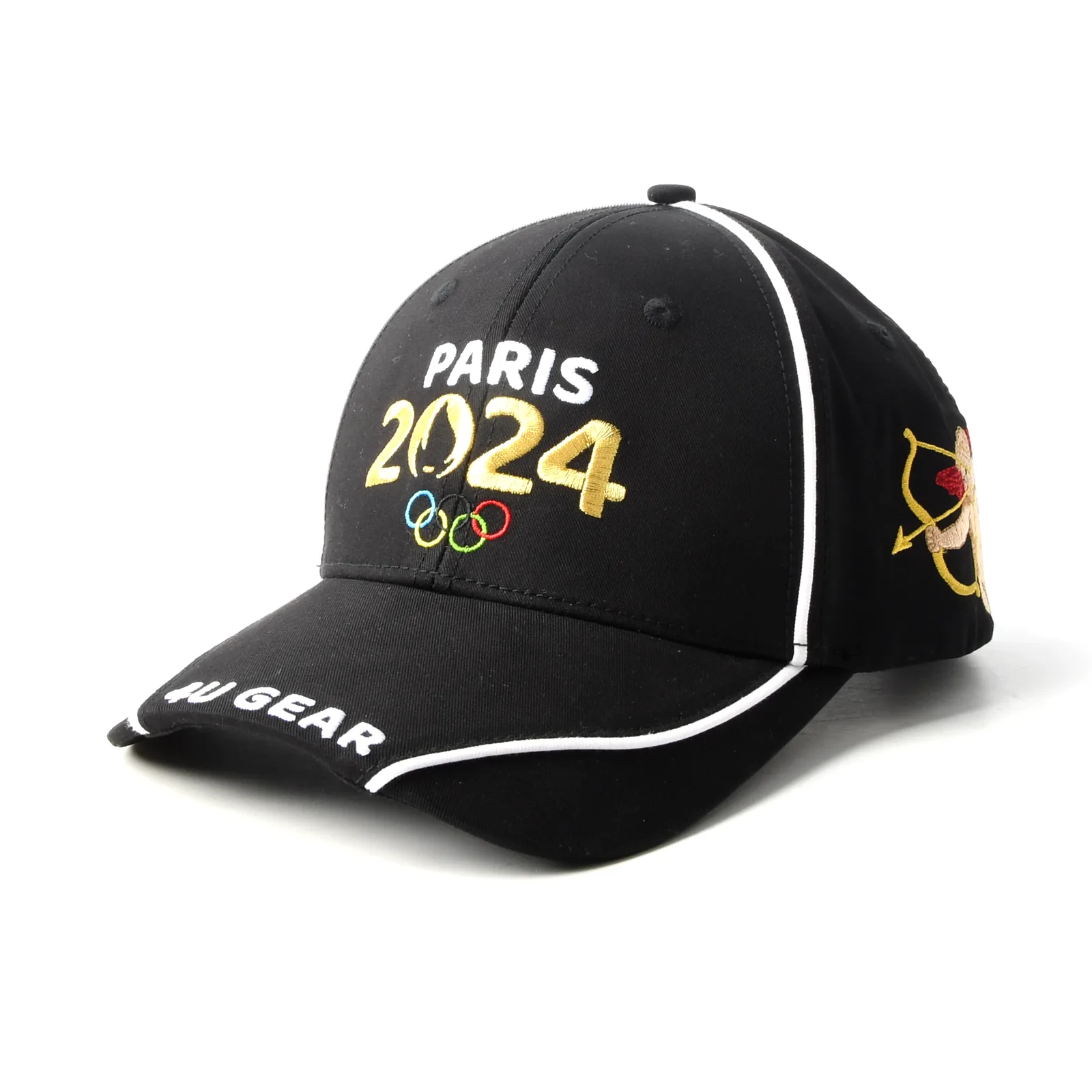
Come i buyer dovrebbero dividere le priorita di sampling tra cappelli e apparel
Questa guida aiuta i buyer a decidere cosa va confermato prima quando cappelli e apparel si sviluppano insieme, cosi fit, trims, tempi e approvazioni non spingono il programma in direzioni diverse.
Molti buyer streetwear pensano che, se cappelli e apparel fanno parte dello stesso drop, entrambe le categorie debbano avanzare con lo stesso ritmo di sampling. In pratica, questo crea spesso piu confusione. Cappelli e apparel portano rischi di sviluppo diversi, pressioni di approvazione diverse e motivi di ritardo diversi. Se il buyer usa un solo ritmo per entrambe le categorie, il team puo perdere tempo senza ridurre davvero l incertezza.
Punto rapido: Cappelli e apparel possono sostenere lo stesso programma, ma non devono sempre essere sampled nello stesso ordine o giudicati con la stessa priorita di approvazione. Il passo piu utile e capire quale categoria deve confermare prima la silhouette, quale deve confermare prima il fit, dove sta la maggiore complessita dei trims e quale decisione deve essere bloccata per prima per mantenere stabile il lancio.
Definizione: Dividere le priorita di sampling significa decidere quale domanda di sviluppo ogni categoria deve risolvere per prima. Non si tratta di favorire cappelli o favorire apparel. Si tratta di ridurre andirivieni inutili prima della pianificazione bulk.
Perche cappelli e apparel non dovrebbero seguire lo stesso ritmo
Headwear e apparel non generano lo stesso tipo di rischio. Nei cappelli il rischio si concentra spesso su silhouette, sensazione della corona, scala del ricamo, scelta della chiusura e presenza frontale. Nell apparel il rischio sta piu spesso in fit, gradazione taglie, mano del tessuto, risultato del wash e approvazione delle misure. Se due categorie cosi diverse vengono forzate nello stesso ritmo senza riconoscere questa differenza, il team finisce spesso per correggere il problema sbagliato nel momento sbagliato.
Conclusione: Una stessa capsule puo condividere una sola storia di lancio, ma il percorso di sampling deve comunque seguire il rischio specifico di ogni categoria.
Cosa va bloccato prima in ogni categoria
| Area | Nei cappelli di solito viene prima | Nell apparel di solito viene prima | Cosa significa per il buyer |
|---|---|---|---|
| Forma e fit | Profilo corona, equilibrio visiera, sensazione della chiusura | Fit del corpo, equilibrio manica, direzione del grading | Non trattare approvazione visiva e approvazione di vestibilita come la stessa attivita |
| Decorazione | Scala del ricamo, dimensione patch, piazzamento frontale | Mano della stampa, comportamento del wash, durata della decorazione | Definire quale rischio decorativo puo danneggiare di piu il lancio |
| Materiali | Struttura del corpo cap, sensazione dello sweatband, parti di chiusura | Tessuto principale, rib, fodera, restringimento, peso | Il blocco materiali deve seguire la categoria con piu rischio di rework |
| Dettagli branding | Etichette, nastro interno, hangtag, packout | Main label, care label, piega, imbustamento, hangtag | La presentazione del brand deve essere allineata presto su entrambi i lati |
| Logica di approvazione | Piu visiva e costruttiva | Piu legata a fit e misure | Le due categorie non devono rispondere alla stessa domanda nello stesso momento |
Quale categoria dovrebbe muoversi per prima
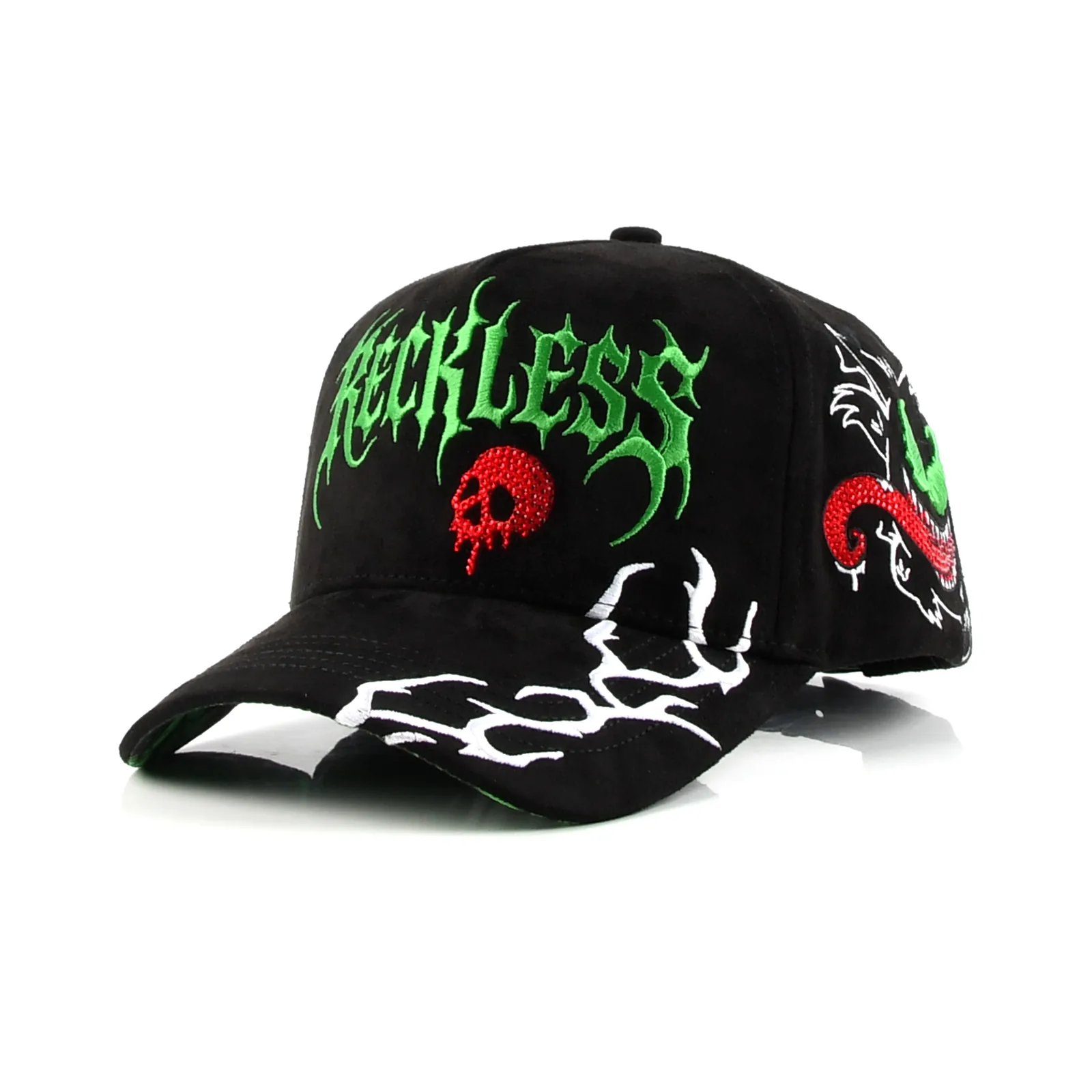
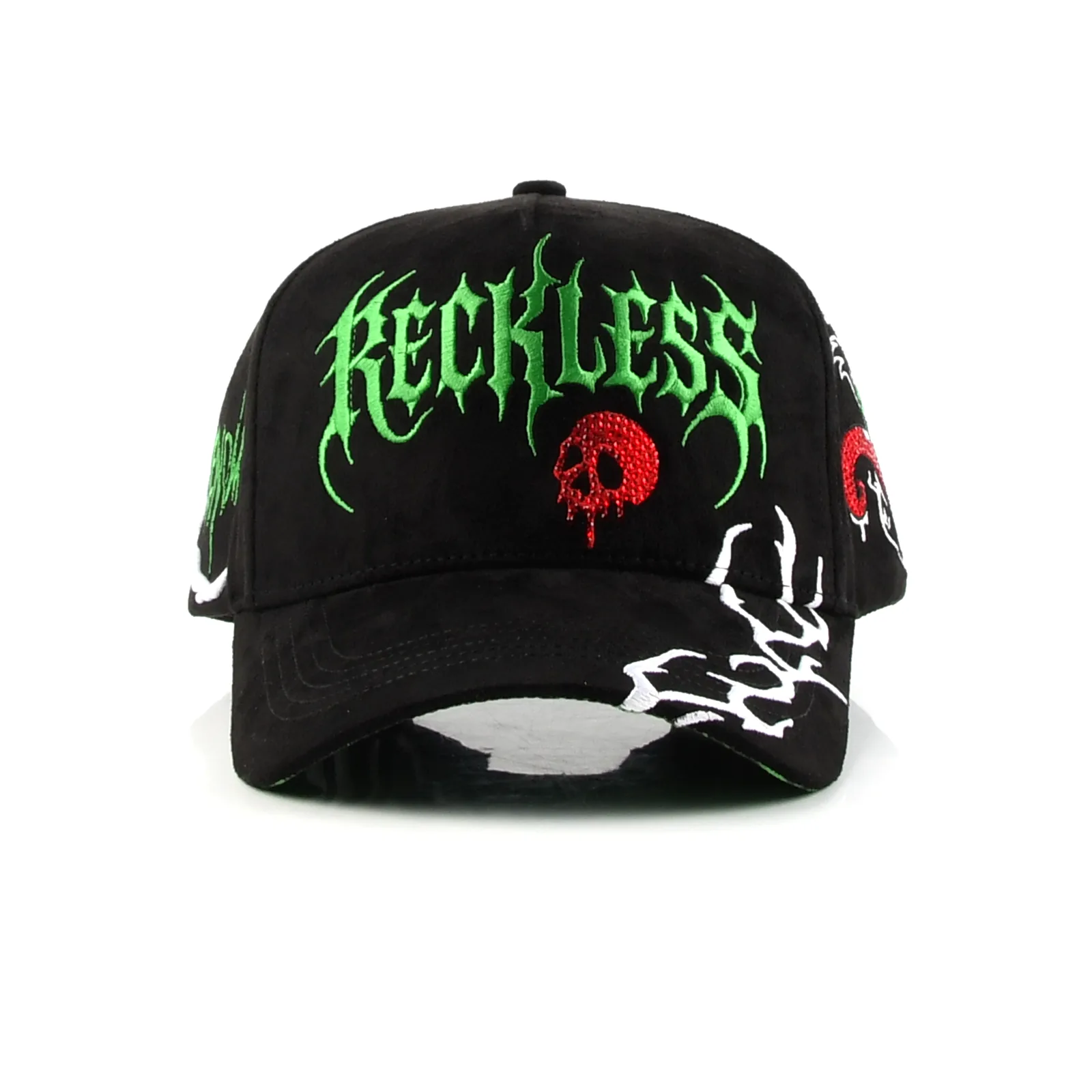
La risposta dipende da cio che il programma deve davvero dimostrare. Se il drop e guidato da un hero cap e l apparel serve solo a sostenere la storia headwear, il campione cappello deve spesso partire per primo perche fissa direzione della silhouette, linguaggio dei trims e identita frontale. Se invece il rischio commerciale principale sta nel fit del capo, nel wash e nella stabilita delle taglie, l apparel dovrebbe muoversi prima perche queste domande impiegano piu tempo a stabilizzarsi.
- Muovere i cappelli per primi quando il lancio dipende da identita frontale, silhouette del cap, logica patch o una forte dichiarazione headwear.
- Muovere l apparel per primo quando il rischio maggiore sta in fit, wash, mano del tessuto o coerenza taglie.
- Muovere i dettagli branding in parallelo quando label, hangtag e packaging devono risultare coerenti in tutto il drop.
- Non lasciare una categoria in attesa passiva se puo gia chiarire un altra decisione.
Conclusione: Il primo sample dovrebbe essere guidato dalla categoria che elimina il rischio piu grande del lancio, non da quella piu facile da quotare.
Come coordinare le approvazioni senza creare ritardi
Un errore comune e chiedere al supplier di fermare una categoria finche tutti i commenti dell altra non siano completi. Sembra ordinato, ma spesso crea tempo morto. Un metodo piu forte e separare le approvazioni per livello di decisione. Approvazione silhouette, approvazione fit, approvazione trims, approvazione packaging e approvazione pre-bulk non devono cadere nello stesso giorno per restare allineate.
- Definire quale round guarda la forma, quale guarda il fit e quale conferma la sicurezza di esecuzione finale.
- Mantenere un solo registro decisionale per evitare che cappelli e apparel scivolino in due linguaggi di brand diversi.
- Bloccare label, hangtag e packaging prima dell ultimo round se la presentazione e sensibile per il lancio.
- Chiarire chi da l approvazione finale per headwear e chi la da per garments.
Conclusione: Un sampling piu veloce nasce da ruoli di approvazione piu chiari, non dal forzare prodotti diversi dentro una sola timeline rigida.
Come puo aiutare 4UGEAR
4UGEAR e piu utile quando un buyer deve decidere come far avanzare insieme cappelli e apparel senza trasformare il programma in una catena di sample intrecciata. Aiutiamo a chiarire quale categoria deve rispondere per prima a quale domanda, quali dettagli branding devono essere allineati in parallelo e cosa deve davvero essere bloccato prima che la pianificazione bulk diventi concreta.
Se stai ancora preparando il primo input per i sample, inizia da Cosa serve prima del sampling. Se la tua preoccupazione principale e il flusso di sviluppo dei cappelli, prosegui con Come funziona il sampling dei cappelli custom. Se quantita e pressione sui tempi sono gia parte della discussione, la pagina successiva piu utile e MOQ e lead time.
FAQ
Cappelli e apparel devono sempre essere sampled nello stesso momento?
No. Possono sovrapporsi, ma non devono condividere automaticamente lo stesso ordine di approvazione. L ordine migliore dipende da dove si trova il vero rischio del lancio.
Qual e l errore piu comune quando un buyer sviluppa entrambe le categorie?
Trattare tutti i commenti come un unico blocco e rallentare una categoria mentre si aspettano decisioni non collegate dell altra.
I dettagli branding devono aspettare che i sample prodotto siano stabili?
No. Se label, hangtag e packaging influenzano la qualita del lancio, devono essere allineati abbastanza presto da evitare incoerenze finali.
Quando l apparel dovrebbe muoversi prima dei cappelli?
Di solito quando fit, wash e stabilita taglie portano un rischio commerciale piu alto della forma o della decorazione del cap.
Pagine correlate
- Come funziona il sampling dei cappelli custom
- Cosa serve prima del sampling
- MOQ e lead time
- Requisiti di packaging e branding
Vuoi chiarire meglio l ordine dei sample?
Inviaci mix categorie, mercato target, stato sample, piano quantita e timing di lancio. Possiamo aiutarti a capire se devono guidare prima i cappelli o l apparel e cosa va bloccato in parallelo. Contatta 4UGEAR.