


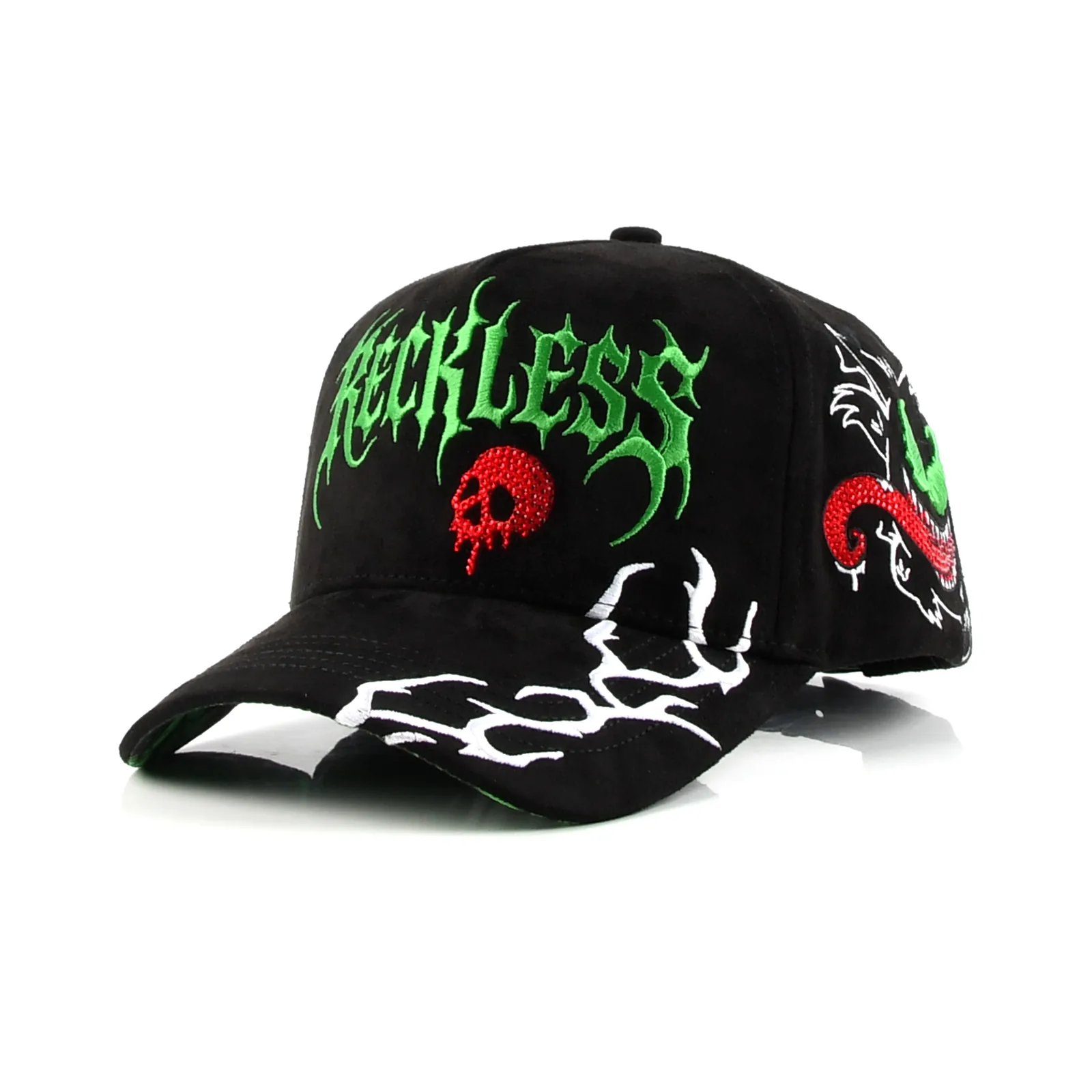
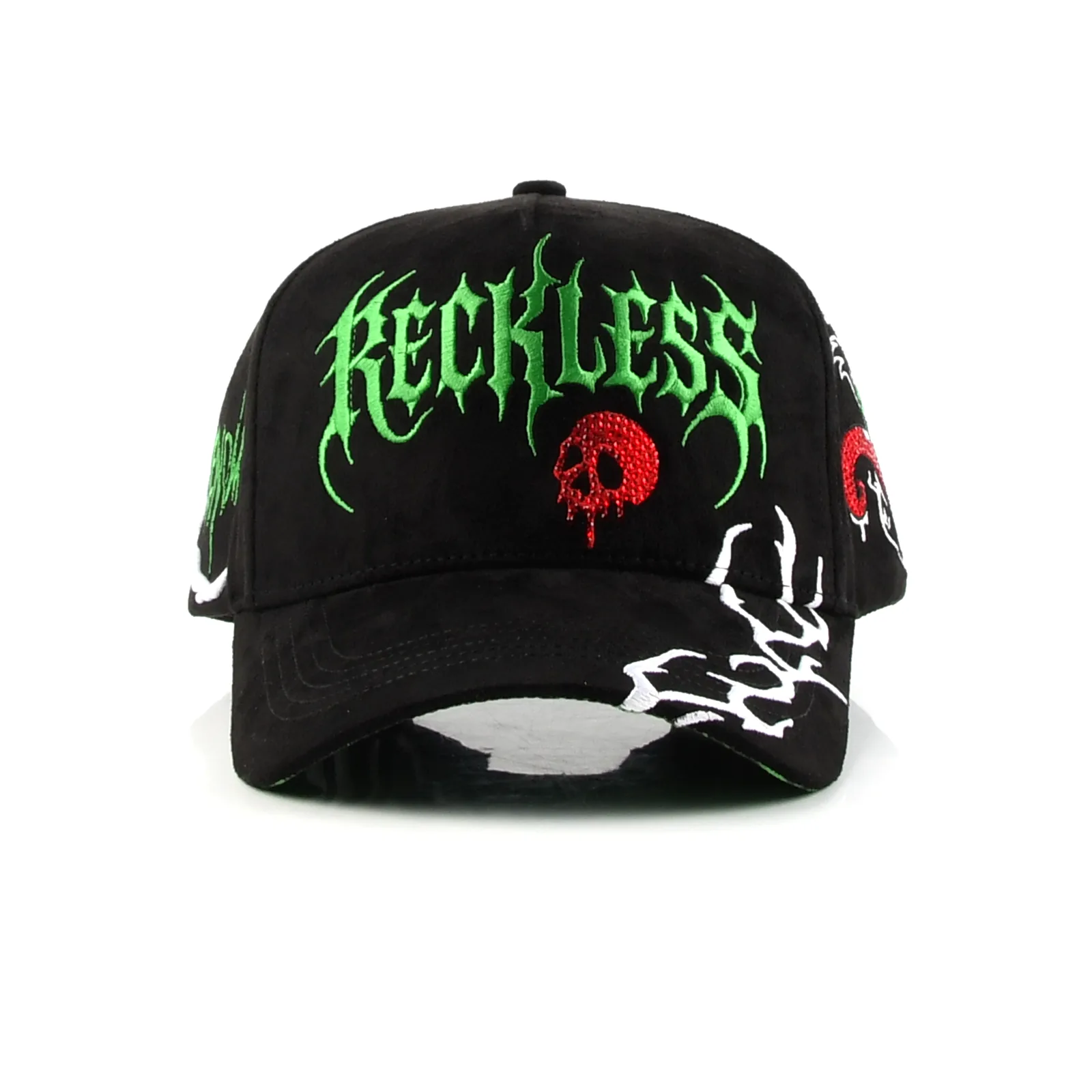
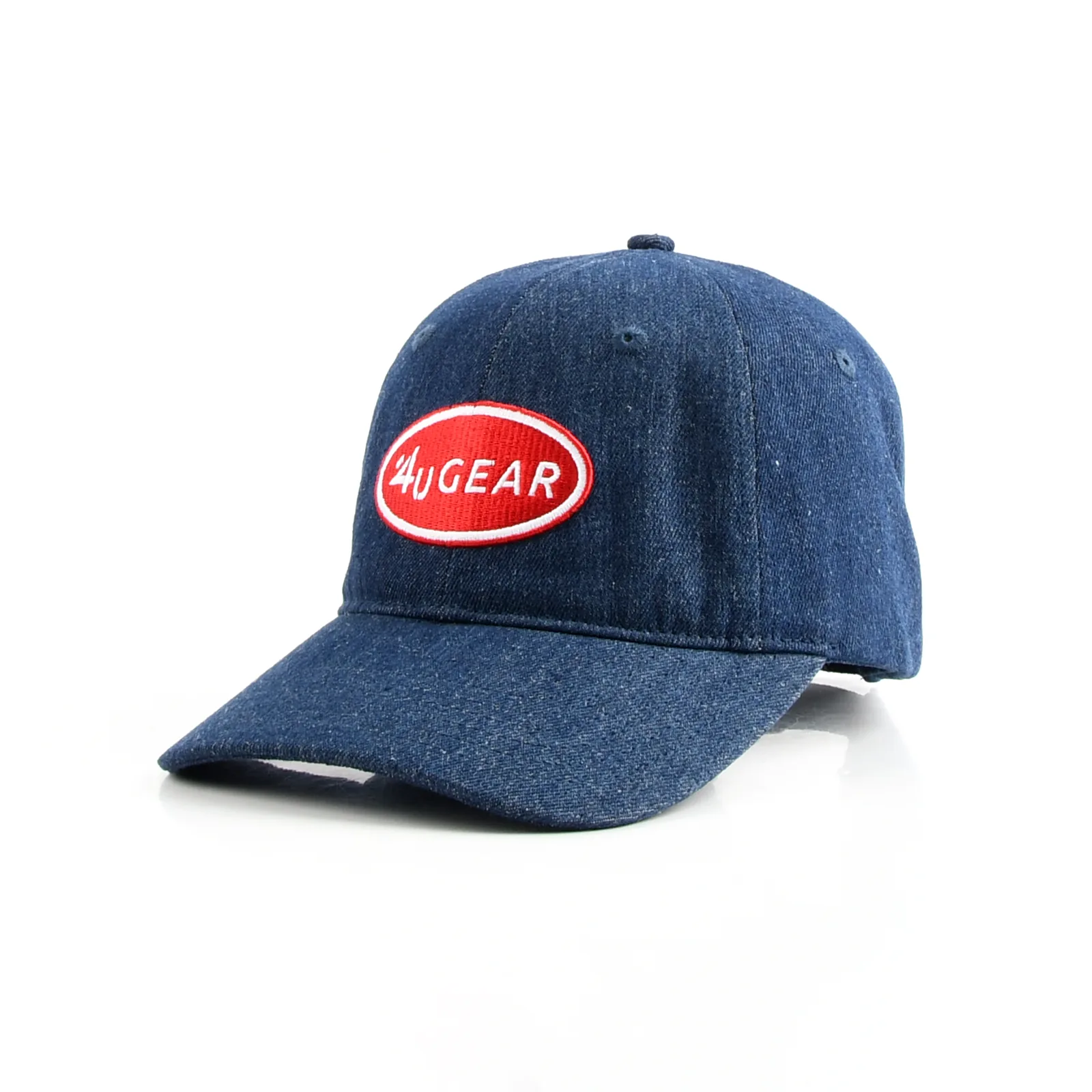
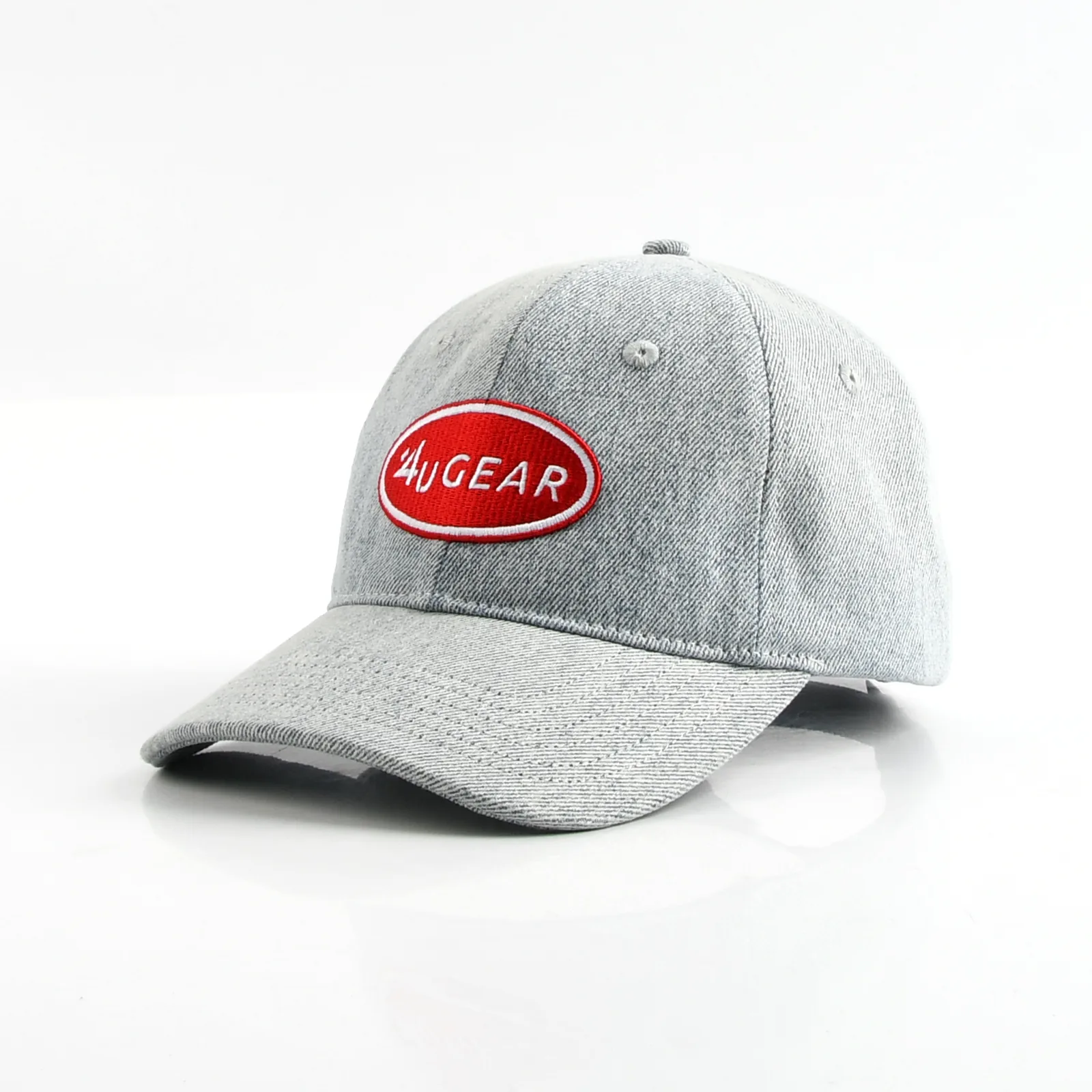

Come scrivere una RFQ davvero utile per una fabbrica di cappelli custom
Questa guida buyer spiega cosa deve contenere una buona RFQ per cappelli custom, cosi la fabbrica puo quotare con piu precisione, entrare nel sampling in modo piu pulito e ridurre i fraintendimenti iniziali.
Quando un buyer chiede un prezzo a una fabbrica di cappelli custom, il rischio piu grande di solito non e un prezzo troppo alto. Il rischio maggiore e che la quotazione venga costruita su un cappello ancora poco definito. Se le reference mostrano una silhouette, la nota sul logo ne suggerisce un'altra e la discussione sul timing presuppone una terza route di sviluppo, il numero puo sembrare preciso mentre il prodotto resta ancora poco chiaro.
Una RFQ utile non prova a comprimere tutte le idee dentro un solo file. Serve piuttosto a dare alla fabbrica una versione leggibile del progetto prima che pricing o sampling inizino. Nella logica procurement, una RFQ gira di solito attorno a item, quantita e consegna. Nello sviluppo di cappelli custom serve pero un ulteriore livello: direzione del body, priorita della decorazione, aspettativa materiale e distinzione tra cio che e gia bloccato e cio che resta aperto.
In sintesi: Una buona RFQ per cappelli non deve rispondere a tutto. Deve fare in modo che la fabbrica quoti lo stesso progetto che il buyer pensa di stare chiedendo. Se silhouette, logica decorativa, range quantita e timing restano mescolati, la quotazione puo arrivare veloce ma non essere ancora davvero utile per decidere.
Definizione: Nel linguaggio procurement, una RFQ e l'invito del buyer a un fornitore per presentare una quotazione. Nel mondo headwear custom questa richiesta diventa davvero utile solo quando il fornitore capisce non solo quantita e data, ma anche il vero cap body, la direzione craft, l'obiettivo commerciale e lo scopo del sample.
Cosa dovrebbe fare davvero una RFQ prima del prezzo
Per un buyer, il compito di una RFQ non e soltanto raccogliere un numero. Il vero compito e far valutare lo stesso progetto a fabbriche diverse. Altrimenti non si confronta la capacita di quotazione, ma una serie di interpretazioni differenti del prodotto. I sistemi procurement fanno bene a definire una RFQ attraverso item, quantita e condizioni di consegna, ma nei cappelli custom c'e un requisito in piu: la definizione prodotto deve essere abbastanza chiara da sostenere un pricing realmente utile.
Se il buyer manda solo screenshot sparsi, qualche messaggio chat e una frase come "mandate prima un prezzo", la fabbrica puo non capire bene se il programma sia 5-panel o 6-panel, se la priorita frontale sia ricamo o patch e se il primo round serva a esplorare una direzione oppure sia gia vicino all'approvazione. La quotazione puo tornare rapidamente, ma spesso deve essere rifatta dopo.
Punto chiave: Il primo compito di una RFQ non e fare pressione sul prezzo. E allineare il progetto, cosi quotazione e sampling seguono la stessa logica.
Perche i frammenti di chat indeboliscono spesso la quotazione
Molti progetti non si complicano per mancanza di informazioni, ma perche le informazioni sono troppo disperse. Le immagini stanno in chat, i file logo in email, le note trims sono state dette a voce e l'idea di quantita compare una sola volta in uno spreadsheet. La fabbrica puo ricostruire una direzione generale, ma non necessariamente capire quale parte del progetto il buyer voglia proteggere per prima.
Il problema piu comune resta la priorita poco chiara. Un buyer puo voler la shape di una reference, il livello prezzo di un'altra e la complessita decorativa di una terza, senza spiegare quale obiettivo debba vincere se entrano in conflitto. La distorsione nasce gia prima del primo sample. La fabbrica quota la versione piu eseguibile, mentre il buyer la confronta mentalmente con una versione ideale.
Punto chiave: Una quotazione debole nasce quasi sempre da una logica progetto debole, non dalla mancanza di una sola immagine.
Cosa dovrebbe includere come minimo una RFQ per cappelli custom
Per i cappelli custom, le RFQ piu utili rendono leggibili almeno questi cinque livelli:
| Sezione | Cosa includere | Perche conta |
|---|---|---|
| Direzione prodotto | Style del cappello, struttura panel, altezza crown, direzione visiera, tipo di closure e reference della silhouette target | Aiuta la fabbrica a quotare il vero cap body invece di reagire solo a immagini mood |
| Logo e decorazione | File logo, dimensione indicativa, posizione, direzione ricamo/patch/print e effetto piu importante | Route decorative diverse cambiano difficolta, costo unitario e rischio del primo sample |
| Materiali e trims | Preferenza tessuto, sweatband, tape, buckle, lining, labels, packaging e punti ancora aperti a suggerimenti fabbrica | Evita che la quotazione si basi su assunzioni standard non coerenti con il prodotto target |
| Quadro commerciale | Range quantita, mercato target, livello prezzo, obiettivo timing ed eventuale launch window | Tiene il quote collegato a MOQ, lead time e fattibilita reale del programma |
| Scopo del sample | Se il round serve a testare direzione, craft oppure una versione vicina all'approvazione | Aiuta la fabbrica a capire se la richiesta e esplorativa o di conferma |
Punto chiave: La RFQ piu forte non e sempre il file piu lungo, ma quello che rende subito leggibili i punti fissi e i punti aperti.
Cosa il buyer dovrebbe bloccare prima di chiedere il prezzo
Una RFQ diventa piu forte non solo aggiungendo file, ma chiarendo l'ordine delle decisioni. Le guide di sampling e tech pack di 4UGEAR insistono sullo stesso punto: la prima quotazione e il primo sample non falliscono perche esistono open points, ma perche quegli open points non hanno confini. Il buyer non deve risolvere tutto nella RFQ, ma dovrebbe stabilire quali parti del progetto non devono deragliare.
- Capire se il progetto e ancora in esplorazione direzionale oppure gia verso uno sviluppo eseguibile.
- Decidere se la priorita sia la silhouette del body o la logica decorativa principale.
- Chiarire se la quantita e un test order, un primo bulk oppure l'inizio di un programma scalabile.
- Segnare quali materiali e trims sono obbligatori e dove la fabbrica puo ancora ottimizzare.
- Scrivere il timing come checkpoint reale di progetto invece di un semplice "ASAP".
Punto chiave: Quando il buyer blocca in modo chiaro cio che non e negoziabile, la quotazione si avvicina molto di piu alla versione che potra davvero andare avanti.
Cosa dovrebbe poter rispondere la fabbrica grazie a una buona RFQ
Se la RFQ e abbastanza chiara, la fabbrica non dovrebbe limitarsi a restituire un prezzo unitario vago. Una risposta piu utile mostra anche la route del progetto dietro il numero. Questo include quali punti possono muovere MOQ, quale route decorativa puo rallentare il primo sample e quali scelte materiali possono cambiare lead time o logica packaging. Tutti questi elementi fanno parte di una buona quotazione.
In altre parole, una buona RFQ non dovrebbe costringere la fabbrica a "mandare solo un numero". Dovrebbe permetterle di spiegare quale versione sta quotando, cosa va confermato prima e cosa cambiera se il brief si sposta. E questo che aiuta un buyer a confrontare il giudizio di sviluppo, non soltanto la velocita di risposta.
Punto chiave: Se una RFQ produce solo un numero senza contesto, di solito quella RFQ e ancora troppo debole.
Come 4UGEAR usa una RFQ piu forte
Nei progetti OEM e ODM headwear in stile 4UGEAR, una RFQ piu forte collega quotazione, sampling e bulk planning invece di trasformarli in tre ripartenze separate. La nostra route one-stop punta a tenere direzione prodotto, materiali, logica sample, packaging e pianificazione produttiva dentro una sola linea, invece di quotare una versione, campionarne una seconda e ricalcolare una terza prima del bulk.
Se il vostro file progetto e gia abbastanza ordinato, il passo successivo piu utile e spesso portare quella RFQ dentro il workflow di OEM / ODM Headwear Services. Se invece i materiali iniziali sono ancora dispersi, di solito conviene ordinarli prima con What We Need to Start Sampling e How to Prepare a Custom Hat Tech Pack. Queste due pagine rendono normalmente molto piu stabili sia la prima quotazione sia il primo sample.
Punto chiave: Il vero valore di una RFQ forte e far partire il progetto verso un sample eseguibile e una route bulk gia dalla fase di quotazione, invece di riportarlo continuamente alla sola chiarificazione.
Conclusione
Scrivere una RFQ utile per una fabbrica di cappelli custom non significa soprattutto suonare piu formali. Significa assicurarsi che la fabbrica capisca cosa si vuole davvero costruire prima di dare un prezzo. Finche cap body, route decorativa, logica materiali, range quantita e obiettivo timing non vengono raccolti in una sola versione leggibile del progetto, la quotazione rischia di diventare un numero che sembra chiaro ma che dovra essere ricostruito piu volte.
Se volete che il primo quote sia piu vicino a una route di esecuzione reale, la domanda piu importante di solito non e come scrivere meglio la richiesta. E quale parte del progetto deve essere compresa per prima. E proprio qui che il supporto OEM / ODM di 4UGEAR diventa piu utile.
FAQ
RFQ e tech pack sono la stessa cosa?
Non esattamente. La RFQ serve di piu a chiedere una quotazione sul progetto, mentre il tech pack organizza le informazioni prodotto. Nei cappelli custom i due strumenti si sovrappongono spesso molto.
Si puo inviare una RFQ se molti dettagli sono ancora aperti?
Si, ma conviene segnare con chiarezza cosa e gia fisso e cosa richiede ancora guida tecnica della fabbrica. Gli open points sono normali. Il vero problema sono i confini poco chiari.
Perche le sole immagini reference di solito non bastano?
Perche mostrano una direzione generale, ma non sostituiscono struttura del cappello, posizionamento logo, priorita craft, range quantita e target timing, tutti elementi che influenzano direttamente la quotazione.
Cosa dovrebbe confrontare il buyer oltre al prezzo?
Dovrebbe anche verificare se la fabbrica sa leggere la vera route del progetto dalla RFQ e spiegare cosa influenzera sampling, MOQ, lead time e stabilita produttiva successiva.