


Custom Packaging and Branding Requirements
This guide explains what buyers should lock early for custom packaging and branding so labels, hangtags, barcodes, packing method, and carton rules do not slow the project after sample approval.
Packaging is rarely something buyers should leave until the last minute. If hangtags, inside labels, stickers, barcode rules, warning text, carton marks, or packing method are still unclear after sample approval, the project usually slows down very quickly.
That is why stronger buyers treat packaging and branding as part of the product route rather than as a small add-on at the end. The earlier those details are organized, the easier it becomes to connect sourcing, printing, approval, packing, and shipment without avoidable rework.
Quick take: A clear packaging brief protects more than presentation. It also affects MOQ logic, printing preparation, packing flow, channel compliance, and ship-out timing.
What buyers should lock early
| Packaging area | What buyers should confirm | Why it matters |
|---|---|---|
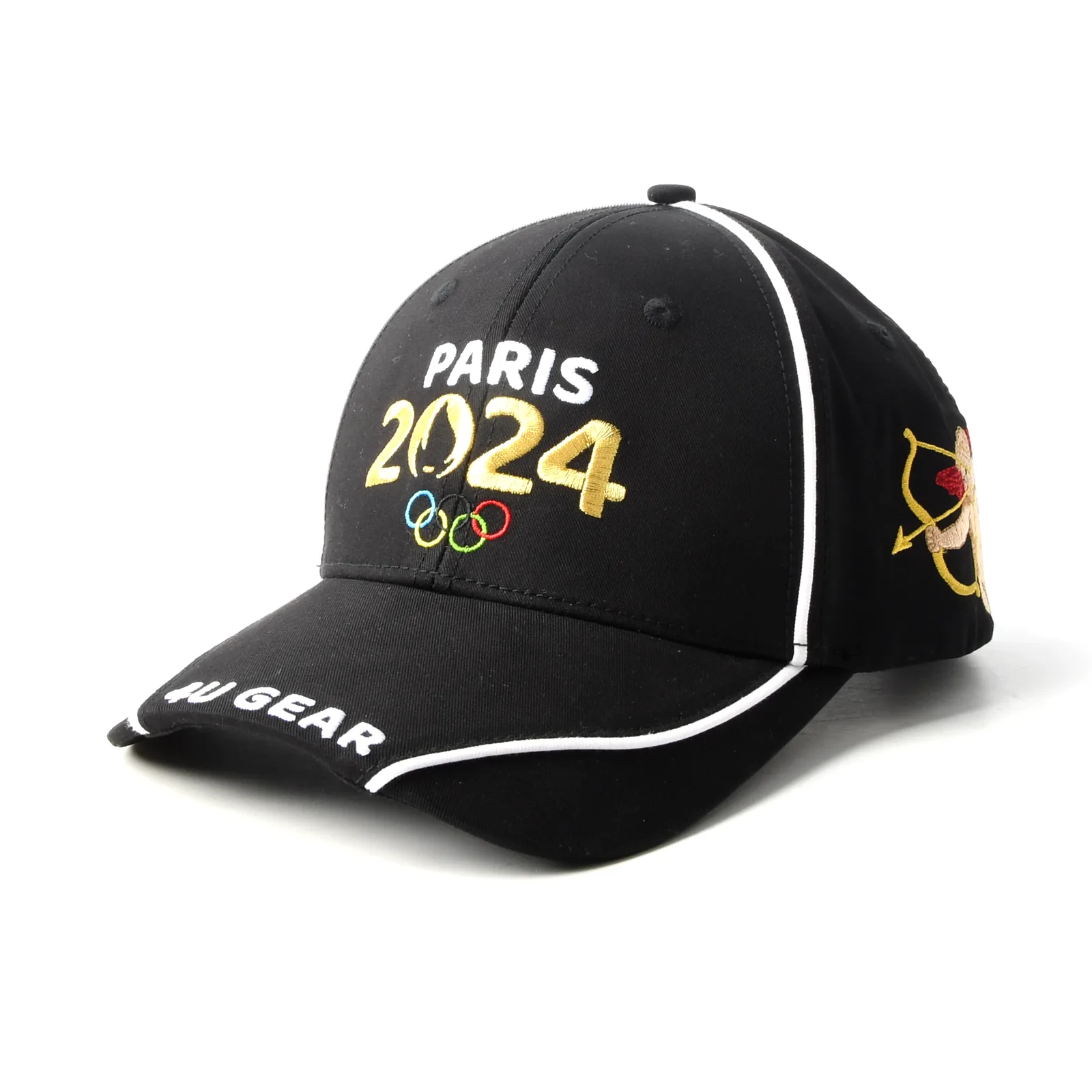
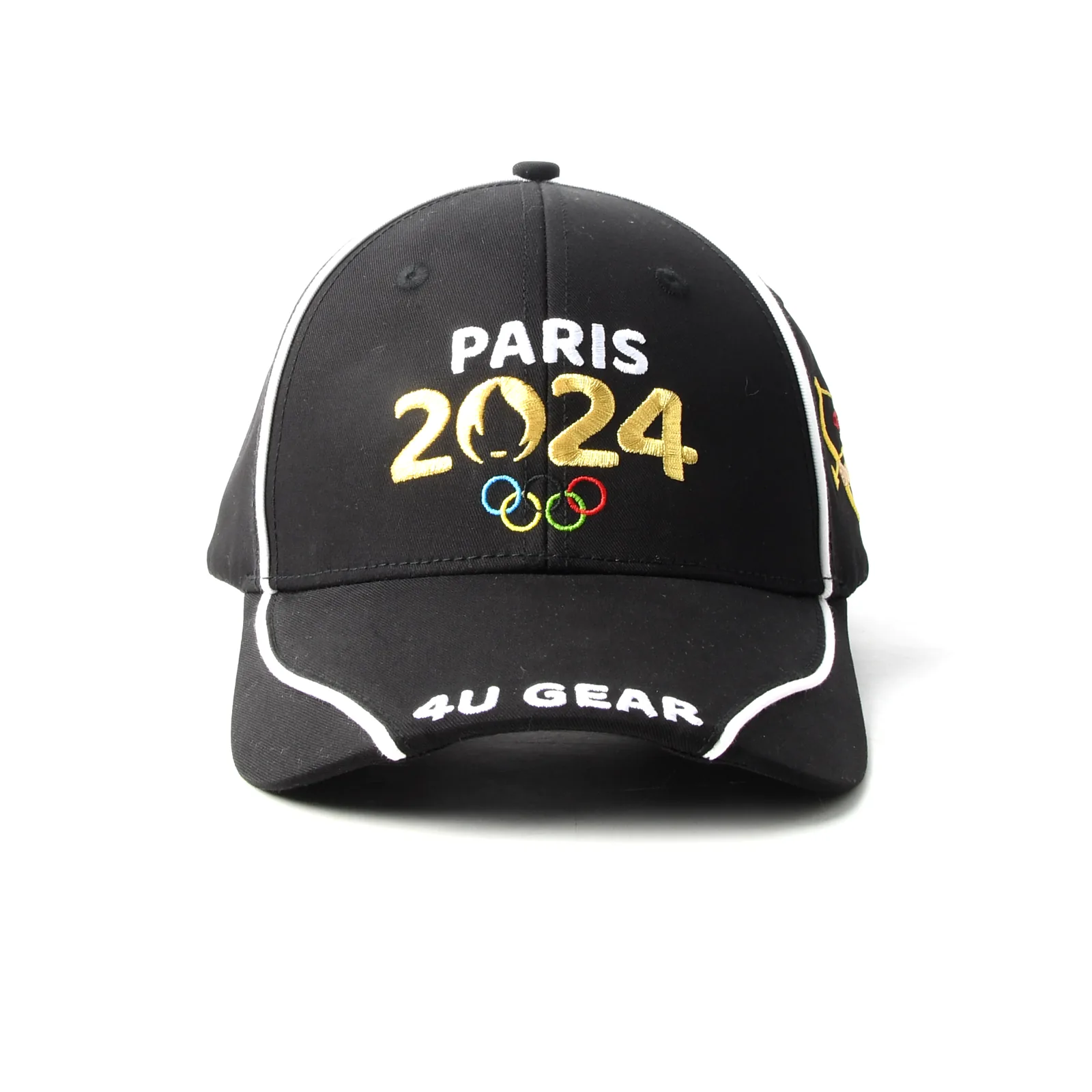
| Brand elements | Which graphics belong on the cap, labels, hangtags, stickers, polybags, or cartons | Keeps branding execution consistent across product and packaging |
| Channel requirements | Retail, wholesale, promotional, or market-specific barcode and warning rules | Avoids late corrections after the product itself is already approved |
| Packing method | Folded or filled shape, assorted packing logic, carton quantity, carton marks | Affects bulk packing, carton planning, and shipment efficiency |
| Approval files | Logo copy, barcode data, label text, warning text, and print-ready references | Reduces the risk of production delay caused by incomplete packaging info |
Takeaway: Packaging decisions should move in parallel with product approval, not after everything else is already locked.
Why packaging delays happen so often
Packaging delays often look like production problems, but many of them start much earlier. A sample may already be approved while barcode rules are still open, hangtag copy is still changing, inside label information is incomplete, or carton marks have never been confirmed for the actual sales channel.
Once production is already moving, these missing details create pressure very quickly because printing, packing, and ship-out preparation all depend on information that should have been organized earlier.
How 4UGEAR approaches packaging and branding coordination
4UGEAR works best when packaging is discussed on the same track as sampling and bulk planning. That means clarifying which brand elements belong where, what channel rules matter, what pack-out method is required, and which items must be approved before mass production starts.
For projects serving U.S. and Mexico buyers, this is especially useful when retail presentation, wholesale practicality, and timing all need to stay aligned. Packaging is not only about how the finished goods look. It is also about whether the project is truly ready to ship.
FAQ
Should buyers wait until the sample is approved before discussing packaging?
No. Some details can still be finalized later, but the packaging path, channel requirements, and approval responsibilities should be discussed early.
What packaging details affect production timing most?
Usually barcode data, label copy, hangtag approval, warning text, print-ready files, and any carton or pack-out rules tied to the sales channel.
Why does packaging affect MOQ and lead time?
Because printed items, custom labels, stickers, tags, and special pack-out methods often have their own sourcing and preparation logic.
What should buyers send when discussing packaging?
Send the channel type, barcode or warning requirements, label copy, logo files, pack-out expectation, and any market-specific compliance notes.
Related pages
Want to continue the discussion?
Send us your packaging brief, barcode or label requirements, target quantity, and timing goal so we can help connect packaging planning to the full production route. Contact 4UGEAR.