


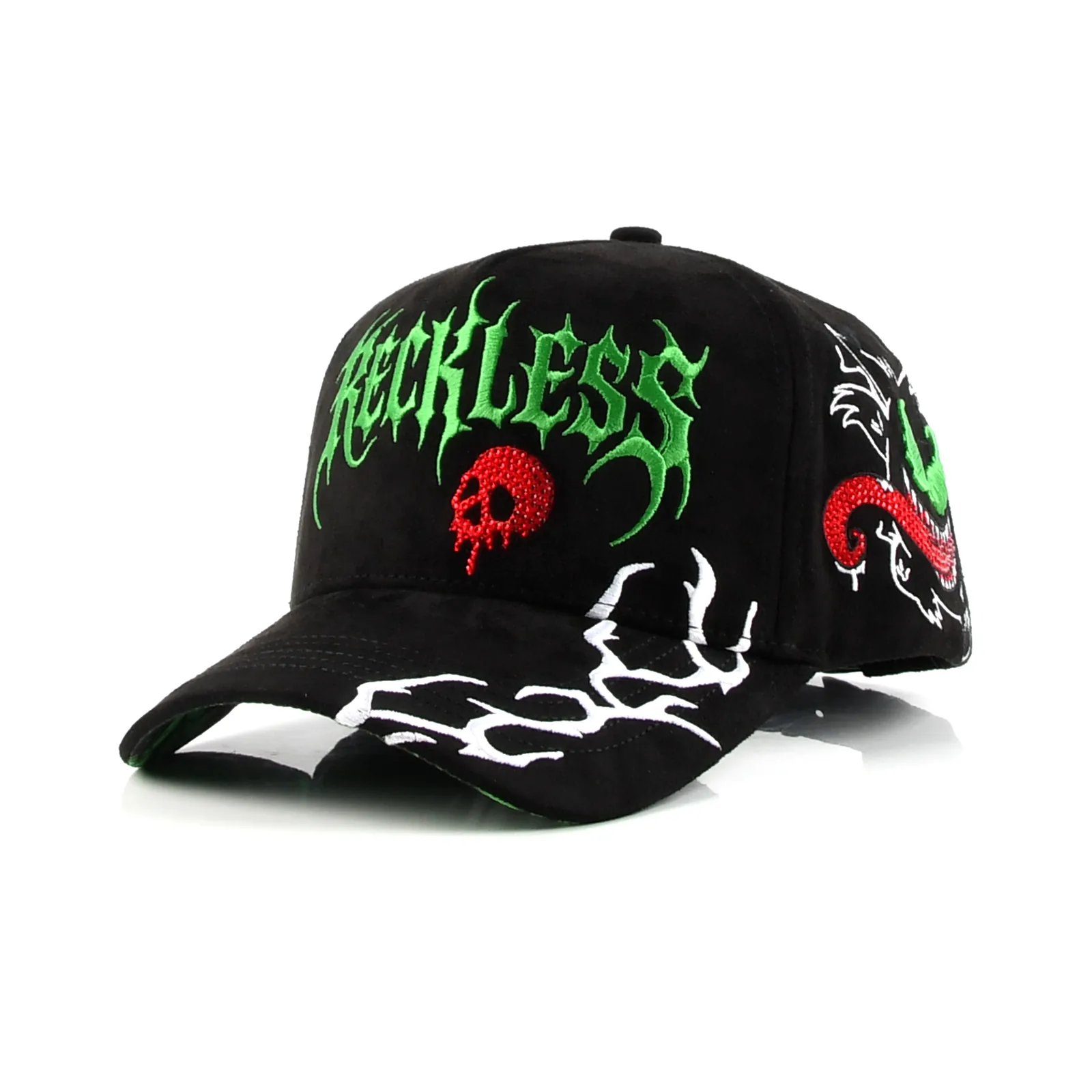
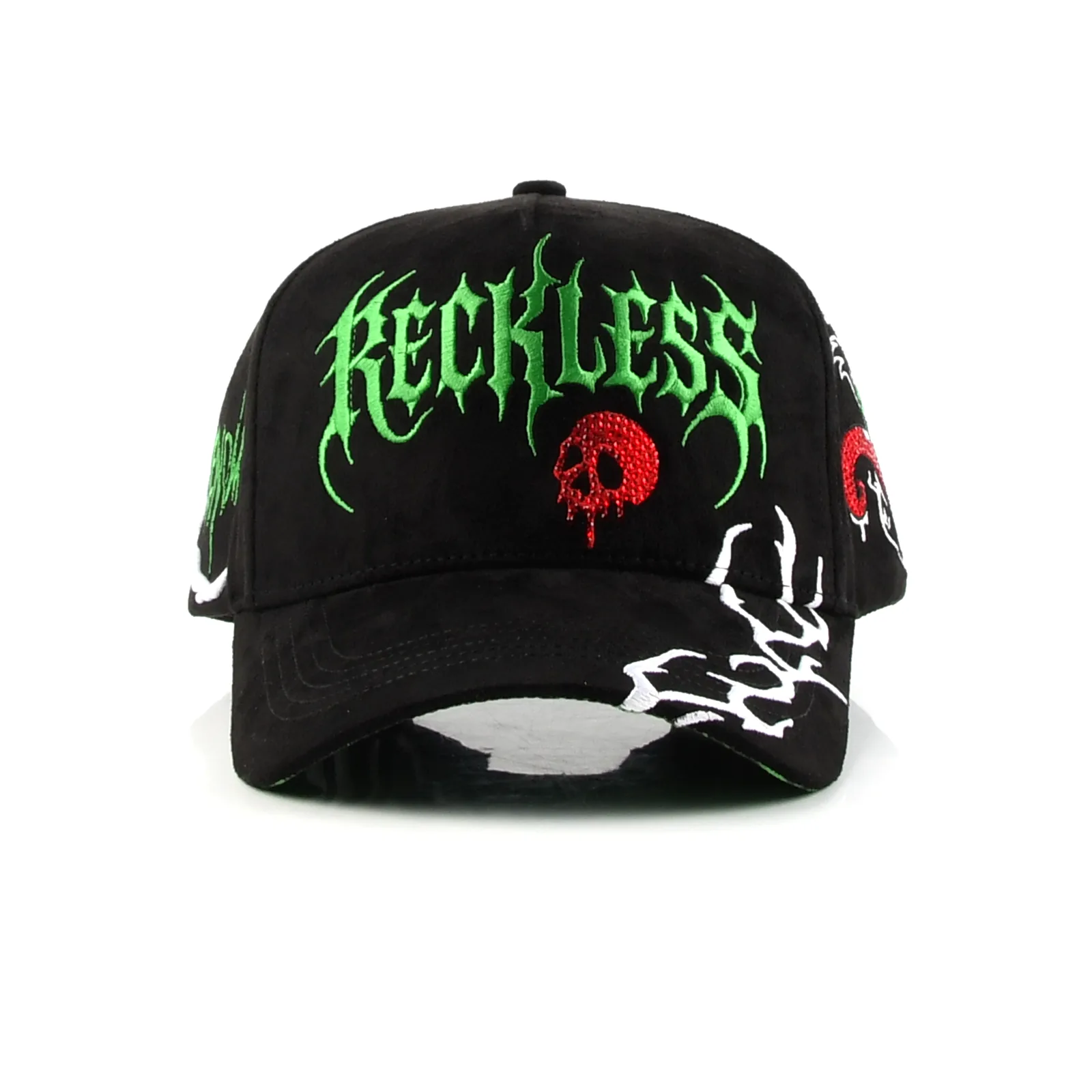
Que deben preguntar las marcas startup de streetwear antes de su primer pedido bulk
Esta guia ayuda a las marcas startup de streetwear a hacer las preguntas correctas antes de su primer pedido bulk: aprobacion de muestra, materiales, empaque, MOQ, lead time, QC y ajuste real del proveedor.
Muchas marcas startup de streetwear creen que, cuando la muestra ya se ve bien, el siguiente paso es simplemente colocar el pedido bulk. En realidad, los errores mas costosos suelen aparecer entre “la muestra ya casi esta” y “el PO ya esta confirmado”. Si en ese momento no se hacen las preguntas correctas, corregir el problema despues suele costar mucho mas que otra ronda de muestras.
Un primer pedido bulk no es solo una cantidad mayor. Es la primera vez que la decision sobre la muestra, los materiales, la decoracion, el empaque, el calendario y la capacidad del proveedor se convierten en un compromiso real de produccion. Por eso el buyer no deberia mirar solo el precio, sino confirmar que debe quedar claro antes de comprometer el pedido.
Idea clave: Si la marca todavia no ha cerrado la muestra aprobada, los detalles de material, la logica de empaque, la estructura de cantidades y los limites de cambios, el primer pedido bulk aun no es una simple ampliacion. Sigue siendo una decision incompleta.
Definicion: En este articulo, el primer pedido bulk es la primera orden formal de produccion que convierte las discusiones de muestra en ejecucion de fabrica. La pregunta clave no es solo la cantidad, sino si el equipo esta realmente listo para comprometerse.
Por que el primer pedido bulk falla con frecuencia en marcas startup
Los buyers con experiencia suelen saber que cosas deben quedar fijas antes de produccion y que cosas todavia pueden quedar abiertas. Las marcas startup muchas veces hacen lo contrario. Dejan demasiadas decisiones abiertas hasta despues del PO: mano del tejido, tamano del bordado, contenido de la etiqueta, nivel del empaque o incluso cual muestra es de verdad la referencia final.
Cuando esas dudas llegan al bulk, la fabrica termina absorbiendo decisiones que todavia no estaban cerradas. Eso retrasa el calendario y obliga a la marca a volver a discutir calidad, presupuesto y lanzamiento cuando la ruta de produccion ya deberia estar mas estable.
Idea clave: El mayor riesgo del primer pedido normalmente no es que la fabrica no pueda fabricar el producto, sino que el buyer no bloqueo las decisiones correctas antes de pedir produccion a escala.
Que debe quedar cerrado antes de enviar el PO
Antes de mandar el primer PO formal, la marca deberia tener respuestas claras sobre algunos puntos basicos: que muestra o version sera la referencia de produccion, que revisiones ya terminaron, si materiales y trims principales estan aprobados, si los estandares de decoracion estan documentados, y si etiquetas y empaque se estan tratando como parte de la misma logica de aprobacion.
- Existe una muestra aprobada o una referencia final de produccion claramente definida.
- Tejido principal, forro, trims, cierres, labels y hangtags estan aclarados.
- Bordado, print, patch, wash u otros metodos de decoracion tienen expectativas claras.
- Empaque, packout individual y logica de carton estan confirmados.
- El equipo sabe que puede seguir cambiando y que ya no deberia cambiar una vez iniciada la produccion.
Idea clave: La pregunta mas importante antes del bulk no es “nos gusta el diseno”, sino “sabemos exactamente que debe ejecutar la fabrica”.
Que preguntas debe hacer la marca directamente al proveedor
Muchas marcas startup preguntan primero por precio y lead time. Esas preguntas importan, pero las mejores preguntas muestran si el proveedor puede soportar de verdad el primer pedido y no solo cotizarlo.
| Pregunta | Por que importa | Que puede significar una respuesta vaga |
|---|---|---|
| Que muestra o version seguira el bulk? | Evita que se separen el estandar de muestra y el de produccion | Puede que el equipo no tenga una referencia de ejecucion realmente clara |
| Que cambios afectan mas MOQ, lead time o retrabajo? | Hace visibles temprano los riesgos comerciales y operativos | El proveedor puede estar aceptando el pedido sin ayudar a decidir |
| Labels, hangtags y empaque se confirman en el mismo flujo de aprobacion que el producto? | Evita enviar una prenda correcta con una presentacion equivocada | El empaque tal vez sigue tratado como algo secundario |
| Que checkpoints usara QC? | Muestra si la logica de calidad es consistente de muestra a bulk | El estandar de bulk aun puede no estar definido |
| Si la marca crece despues de este pedido, el equipo puede apoyar mas SKUs o categorias? | Ayuda a saber si es solo una fabrica para un pedido o un socio con mas recorrido | El proveedor puede servir para un item aislado pero no para la siguiente etapa |
Idea clave: Las buenas preguntas no solo recogen respuestas. Muestran si el proveedor puede mejorar la calidad de la decision antes de producir.
Que debe responder primero la marca internamente
El proveedor no es la unica parte que debe ser cuestionada. Muchos primeros pedidos bulk fallan porque la propia marca no respondio primero las preguntas comerciales mas grandes. Este pedido es una prueba de mercado, un lanzamiento de imagen o el inicio de un programa repetible? La marca busca validar un hero item o construir la base de una capsule futura? Esas decisiones cambian por completo como se debe leer MOQ, nivel de empaque, timing y ajuste del proveedor.
- Es un pedido de prueba de mercado o un programa que requiere entrega mas estable?
- En esta corrida importa mas margen bruto, velocidad de lanzamiento o nivel de presentacion?
- Si el estilo vende bien, existe al menos una idea basica de replenishment?
- Este proveedor sirve solo para este estilo o tambien para la siguiente fase?
- Dentro de la marca, quien tiene la aprobacion final de muestra, empaque y timing?
Idea clave: Cuanto mas clara este la marca consigo misma, mas utiles seran las respuestas de produccion del proveedor.
Checklist rapido antes del primer bulk
Antes de enviar el primer PO, usa esta lista como ultima puerta de control:
- La muestra final o version final de produccion esta confirmada.
- Materiales, trims, decoracion, colores y medidas clave estan alineados.
- Empaque, labels, hangtags y packout estan confirmados.
- MOQ, logica de lead time y posibles puntos de cambio ya se hablaron de forma abierta.
- El equipo sabe quien es responsable de la aprobacion final y de la comunicacion con fabrica.
- El buyer ya juzgo si este proveedor sirve solo para este pedido o tambien para la siguiente etapa.
Resumen: Si estos seis puntos siguen abiertos, el primer pedido bulk todavia no esta realmente listo.
Como puede ayudar 4UGEAR antes del primer pedido
4UGEAR es mas util cuando una marca startup necesita algo mas que una fabrica que diga si a la produccion. Ayudamos a ordenar la referencia de muestra, los detalles de material, la direccion de decoracion, la logica de empaque y las preguntas de expansion futura en una ruta de ejecucion mas clara.
Si todavia estas organizando referencias, versiones de muestra, notas tecnicas o requisitos de empaque, empieza por Que necesitamos antes del sampling. Si ya estas comparando cantidades y ventanas de tiempo, sigue con MOQ y lead time. Esos dos pasos suelen volver mucho mas estable la primera decision bulk.
FAQ
Si la muestra ya paso, la marca puede poner bulk de inmediato?
No automaticamente. Tambien hay que confirmar que esa version sea la referencia final y que materiales, empaque, logica de QC y limites de cambio esten realmente cerrados.
Que se olvida con mas frecuencia antes del primer pedido bulk?
Empaque, labels, referencia de ejecucion y propiedad interna de aprobacion suelen olvidarse incluso cuando el producto parece listo.
Por que una marca startup debe preguntar mas que solo precio?
Porque el fracaso del primer pedido casi siempre viene de una ejecucion poco clara, no solo de una cotizacion alta o baja.
Conviene preguntar ahora por expansion futura a apparel u otras categorias?
Si, cuando esa posibilidad es real. Eso ayuda a saber si el proveedor solo sirve para un SKU o tambien para la siguiente etapa.
Paginas relacionadas
- Que necesitamos antes del sampling
- Como funciona el sampling de gorras custom
- Como preparar un tech pack para gorra custom
- Requisitos de packaging y branding
Quieres revisar la solidez de tu primer pedido?
Envianos tu mercado objetivo, plan de categorias, estado de la muestra, rango de cantidades y fecha de lanzamiento, y te ayudamos a evaluar si tu primer pedido bulk de verdad esta listo. Contactar a 4UGEAR.